


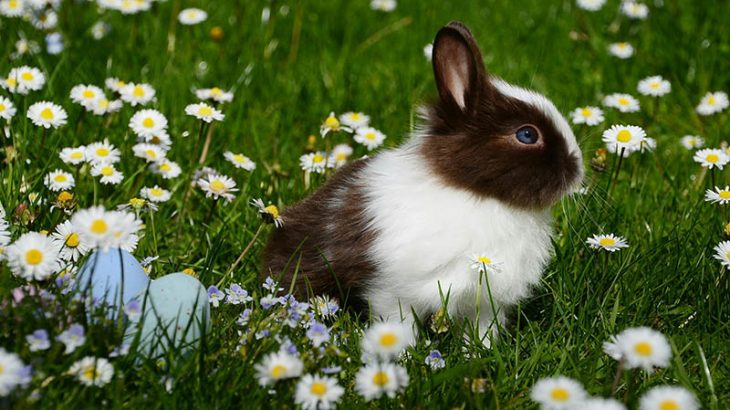
There’s something about the first proper dry weekend of spring that sends us all outside. Lawnmowers come back to life, garden centres get busy, and suddenly everyone’s talking about what they’re planting this year.
If you share your home with a dog or cat, though, spring gardening takes on a slightly different meaning. What looks beautiful to us can sometimes spell trouble for curious paws and noses.
The good news? You don’t need to turn your garden into a barren patch to keep pets safe. A bit of awareness goes a long way — and you can absolutely have colour, life, and a pet-friendly space all at once.
Why Spring Brings Extra Risk
After months of mud and cold, pets are often more energetic when the weather improves. Dogs want to dig, roll, sniff, and “help” with planting. Cats become more adventurous again, especially if they’ve spent winter mostly indoors.
Spring bulbs and fresh shoots are particularly tempting. They smell strong, they’re newly disturbed in the soil, and they’re easy to chew or dig up.
Unfortunately, some of the most popular spring flowers in Irish gardens can cause real harm if ingested.
Spring Flowers to Be Careful With
One of the biggest culprits in Irish gardens is the daffodil. They’re cheerful and everywhere this time of year, but every part of the plant — especially the bulb — is toxic to both dogs and cats. Even drinking water from a vase of cut daffodils can cause stomach upset.
Tulips are another common spring favourite that can cause problems. The bulbs contain the highest concentration of toxins, but chewing leaves or stems can still lead to drooling, vomiting, or diarrhoea.
Hyacinths fall into the same category. Beautiful scent, lovely colour — but the bulbs in particular can irritate your pet’s mouth and digestive system.
And for cat owners especially, lilies deserve special mention. Even small amounts — pollen on fur, a lick of a petal — can cause severe kidney damage in cats. They’re one of the most dangerous flowers to have around feline companions.
Other plants to approach cautiously include:
-
Foxgloves
-
Rhododendrons
-
Azaleas
-
Bluebells (especially the bulbs)
This doesn’t mean you can’t ever have them, but it’s worth thinking about placement and how curious your pet tends to be.
Pet-Friendly Spring Options
The good news is there are plenty of lovely, safer choices that bring colour without the worry.
Roses are generally safe for pets (thorns aside), and they thrive in Irish gardens.
Sunflowers are another cheerful option and are considered non-toxic.
Snapdragons add height and colour without posing a major risk.
Marigolds are widely regarded as pet-friendly and can even help deter pests.
Camellias and fuchsias are also typically safe choices for a spring garden.
Herbs can be a great addition too. Rosemary, thyme, and basil are generally safe for pets and add a lovely scent to the garden.
Of course, “safe” doesn’t mean “edible in large quantities,” but these plants are far less likely to cause serious issues if nibbled.
Rethinking Garden Layout with Pets in Mind
Spring is the perfect time to look at your garden with fresh eyes. If you know your dog is a digger, consider raised beds or defined planting areas. If your cat roams freely, avoid placing delicate or potentially harmful plants along their usual paths.
Creating a dedicated patch where your dog can dig freely can save the rest of your flower beds. Some owners even designate a small “dog corner” with hardy grass or sand to satisfy that instinct.
Paths matter too. Pets tend to follow the same routes repeatedly. Observing where they naturally walk can help you avoid planting anything fragile — or questionable — in those areas.
Fertilisers, Slug Pellets and Chemicals
Plants aren’t the only concern in spring. Garden treatments can pose a much bigger risk than flowers themselves.
Slug pellets are particularly dangerous. Traditional varieties can be highly toxic to dogs. If you use them at all, opt for pet-safe versions and store them well out of reach.
Fertilisers and lawn feed products can also cause stomach upset or worse if licked off paws. After applying any treatment, it’s wise to keep pets off the treated area until it’s fully dry or absorbed.
Even compost can attract dogs due to its strong smell, and certain moulds within compost heaps can be harmful. Keeping compost contained and inaccessible is a sensible precaution.
The Joy of a Pet-Friendly Garden
A safe garden doesn’t mean a dull one. In fact, many pets benefit hugely from having a secure outdoor space where they can explore safely.
Spring brings natural stimulation — birds, insects, fresh scents — and that enrichment is valuable. Dogs burn mental energy simply by sniffing new growth. Cats enjoy watching movement and feeling sunshine on their backs.
A little planning now means you can relax later, knowing that your garden is as safe as it is beautiful.
When to Worry
If your pet chews a plant and then shows signs like vomiting, excessive drooling, lethargy, shaking, or loss of appetite, it’s always best to ring your vet for advice. Even if you’re unsure what they ate, describing the plant can help.
Most incidents are mild, especially if caught early. The key is simply awareness rather than panic.
A Spring Reminder from Pet Angel Sitters
Spring should feel like a fresh start — for you and for your pets. With a bit of thought about what goes into your soil and along your borders, your garden can be a safe, welcoming place for everyone.
And if you’re heading away during the brighter months, or simply spending more time out and about, Pet Angel Sitters are here to make sure your pets enjoy the season safely — whether that’s garden playtime, regular walks, or keeping routines steady while everything else is in bloom.
Because nothing says spring like a content pet enjoying the sunshine in a space that’s made with them in mind.