
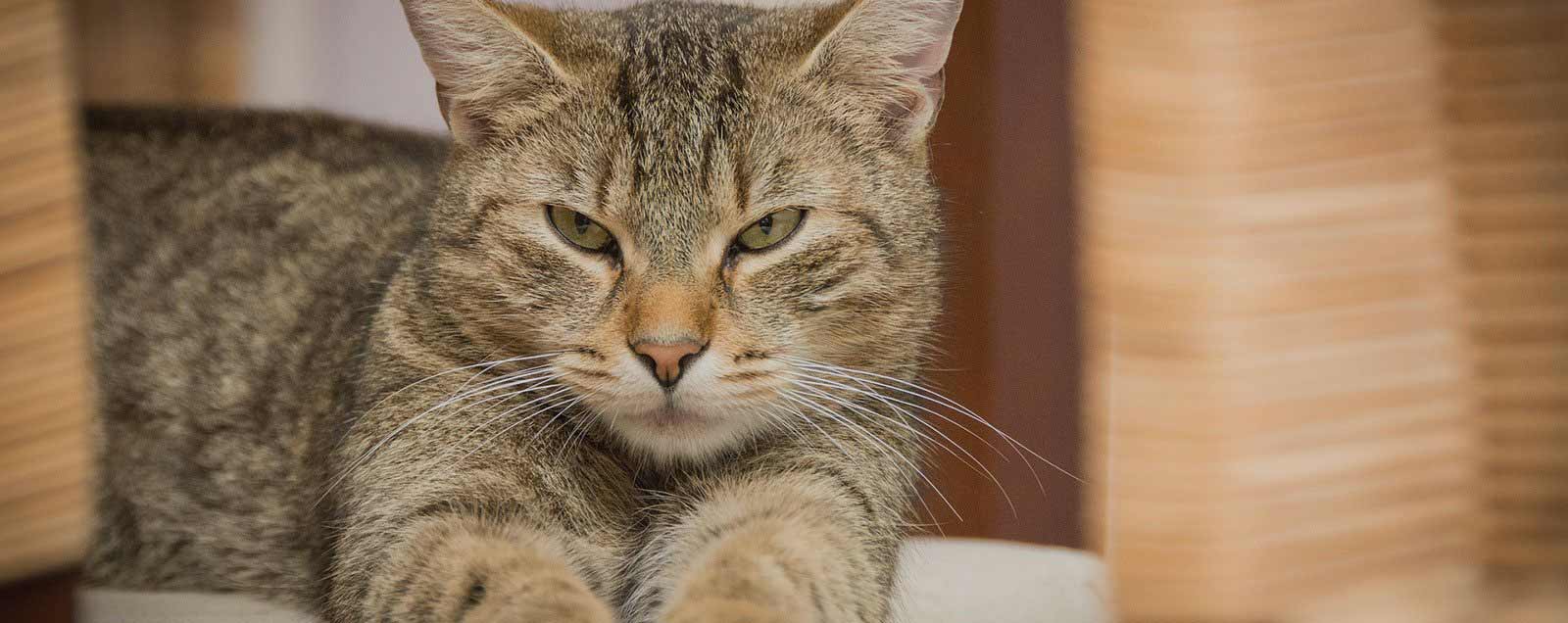
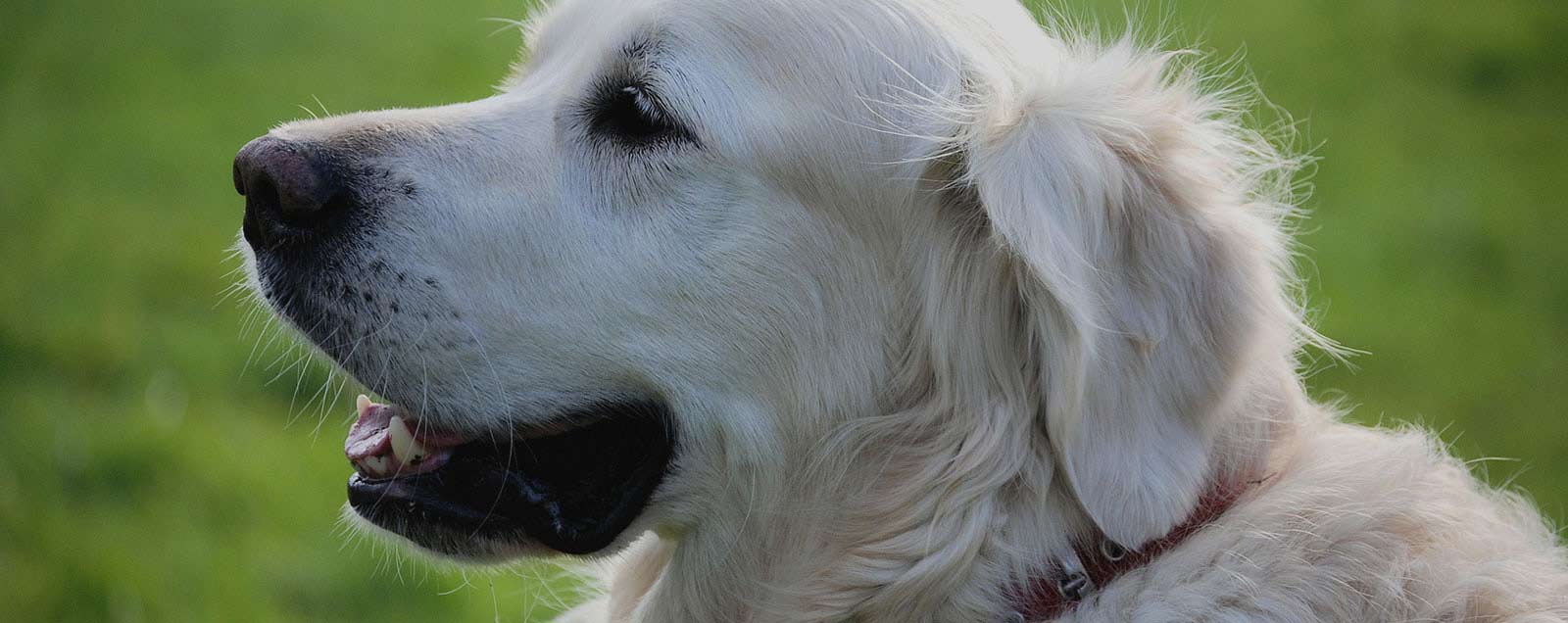
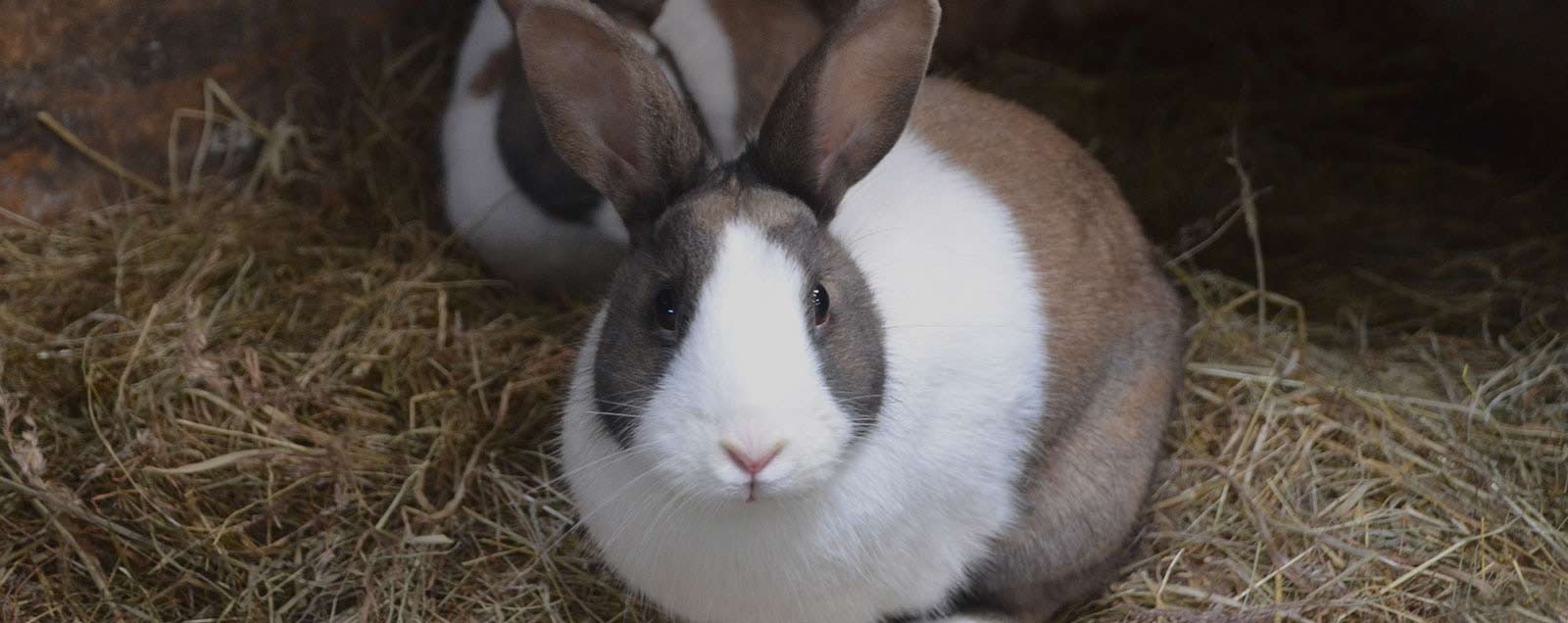
Halloween in Ireland has grown into a full-blown festival — fireworks, bonfires, bangers, and doorbells going non-stop. While it’s all great craic for people, it can be a pretty miserable night for pets.
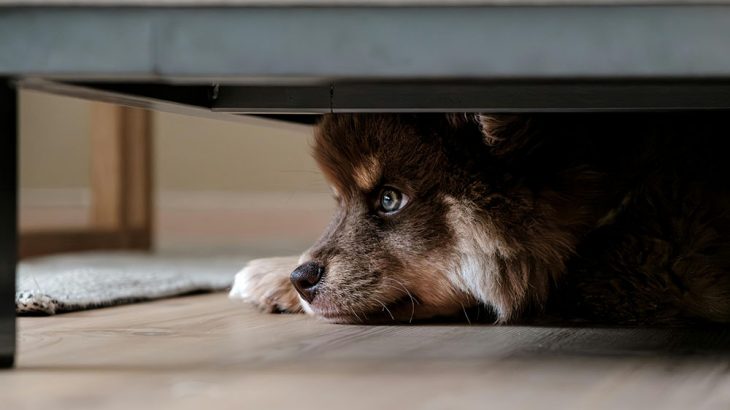
Dogs and cats have far sharper hearing than we do, so the bangs, whistles, and flashing lights can leave them terrified. Some will shake, hide, or bark the house down; others might bolt through an open door or window.
The good news is there’s plenty you can do to help your pet feel safe, even on the noisiest of nights.
1. Create a Safe, Quiet Space
Before the fireworks start, set up a little “den” for your pet — somewhere cosy and familiar where they can retreat when the noise kicks off.
It might be:
-
A crate or corner covered with a blanket.
-
A bed tucked under the stairs.
-
Even a quiet room at the back of the house, away from windows.
Pop in some of their favourite toys, a few treats, and maybe one of your jumpers for comfort. Keep curtains closed to muffle the flashes, and leave the TV or radio on low in the background to drown out the bangs.
If you’ve more than one pet, make sure each has their own space so they can settle separately if needed.
2. Close Up the House
It sounds simple, but it makes a big difference. Before dark:
-
Shut all windows and doors.
-
Draw the curtains.
-
Make sure cat flaps are locked.
-
Keep your pets inside, even if they’re normally outdoors in the evening.
Every year, lost-pet notices flood social media after Halloween. Even the calmest pet can take fright and bolt — so double-check collars, ID tags, and microchip details are up to date just in case.
3. Stay Calm Yourself
Pets take their cues from us. If you’re fussing or reacting to every bang, they’ll pick up on it. Try to act as if nothing’s wrong. Speak softly, move normally, and don’t over-comfort your pet.
It’s tempting to hug or coddle them, but too much attention can confirm that “yes, something scary is happening.” Instead, sit nearby, maybe offer a treat if they’re calm, and keep your own energy relaxed.
4. Tire Them Out Early in the Day
If you’ve a dog, give them a longer walk earlier in the afternoon before the fireworks start. A good play session helps burn off nervous energy so they’re more likely to rest in the evening.
Same goes for cats — interactive play before dusk can help them settle later. Once the sun sets, keep them indoors until the following morning.
5. Background Noise Helps
TV, radio, or a music playlist can mask a lot of the loud bangs outside. There are even pet-friendly playlists on Spotify designed to calm anxious animals. Choose something steady and soothing — classical or soft acoustic music works well.
If your pet has a favourite TV channel (yes, “Dog TV” is a thing now!), that can distract them too.
6. Try Calming Aids
If your pet is particularly sensitive, talk to your vet about calming options. There are several over-the-counter products that can help, such as:
-
Pheromone diffusers (like Adaptil for dogs or Feliway for cats) that release comforting scents.
-
Calming supplements with ingredients like L-theanine or chamomile.
-
Weighted blankets or “anxiety wraps” that apply gentle pressure and help some pets relax.
Always check with your vet first — especially if your pet is on medication or has a medical condition.
7. Distract with Positive Things
For dogs, stuff a Kong with peanut butter, kibble, or soft treats to keep them busy. Long-lasting chews work great too. Cats might enjoy a puzzle feeder or a bit of catnip to keep their minds off the racket.
The idea is to turn the evening into something positive — fireworks = tasty snacks and comfy vibes.
8. Don’t Punish Fearful Behaviour
If your pet hides, trembles, or refuses to eat, don’t scold or drag them out of hiding. Fear is instinctive — telling them off will only make it worse. Just make sure they have a safe spot and let them come out in their own time once the noise settles down.
If they make a mess or scratch the door, clean it up quietly and move on. They’re not being bold — they’re scared.
9. Plan Ahead for Walks and Toilet Breaks
If you live in an area where fireworks are common around Halloween, try to walk dogs earlier in the day all week long, not just on the 31st. By evening, fireworks often start before it’s even dark, so plan toilet breaks before dusk.
For nervous dogs, a lead and secure harness are essential — even a small bang can make them bolt.
10. When to Get Professional Help
If your pet’s fear seems extreme — shaking, drooling, destroying furniture, or refusing to eat for days — it’s worth chatting with your vet or a qualified animal behaviourist. Sometimes, with training and desensitisation, the fear can be reduced over time.
A Quick Halloween Safety Reminder
While you’re at it, keep these extra Halloween hazards in mind:
-
No chocolate or sweets — they’re toxic to pets.
-
Keep candles and pumpkins well out of reach.
-
Avoid dressing pets in tight or uncomfortable costumes.
-
Keep them away from open doors when trick-or-treaters call.
Final Word from Pet Angel Sitters
Halloween should be fun — not frightening — for everyone in the family, paws included. With a bit of planning, you can help your pets stay calm, cosy, and safe while the fireworks fly outside.
And if you’re heading out for the night or away for the weekend, Pet Angel Sitters are here to make sure your pets are looked after by people who understand how stressful this time of year can be for them.