
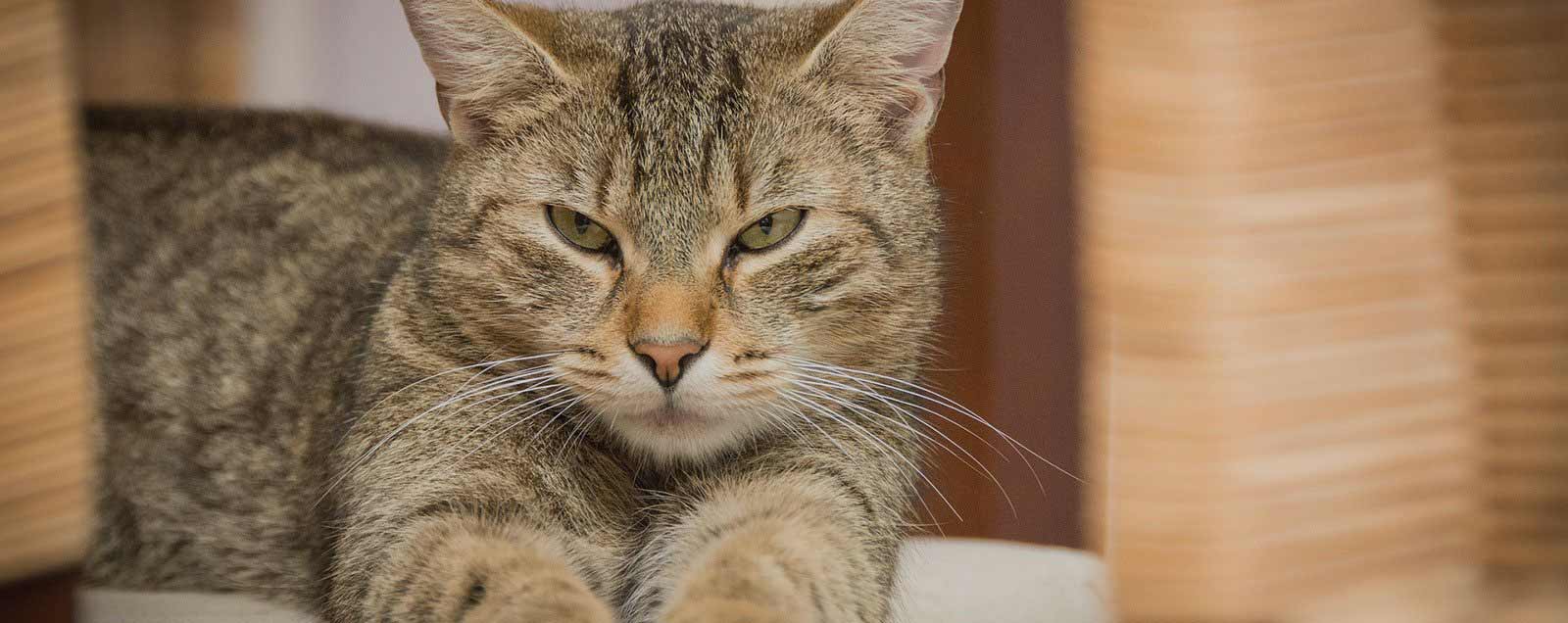
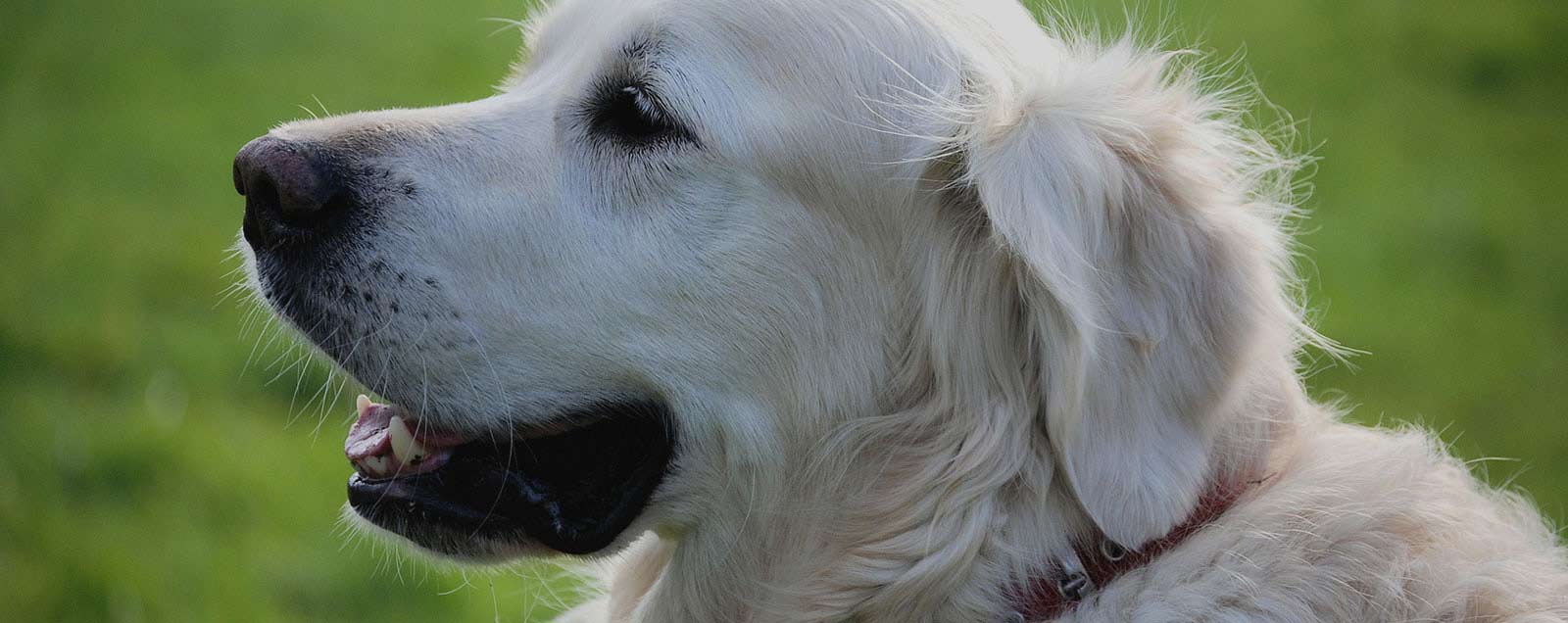
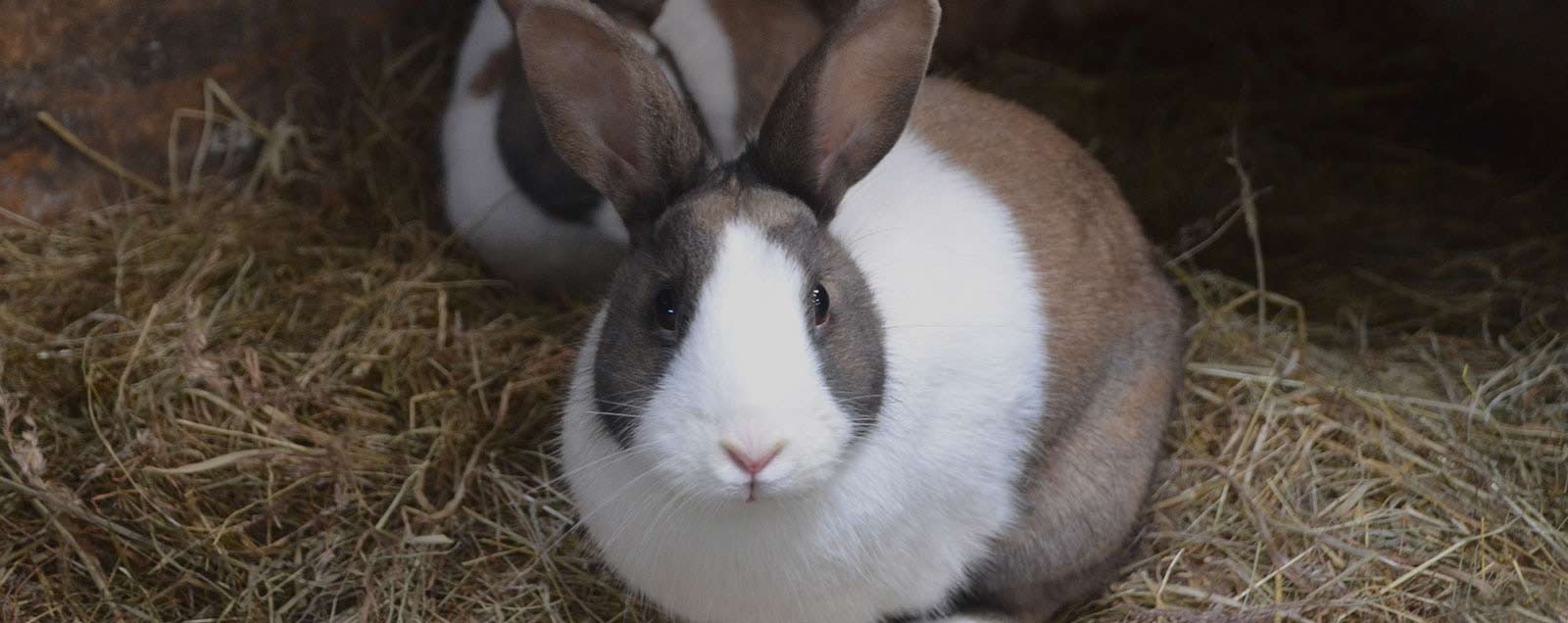
Between Halloween, Christmas and random cuppas with friends, homes can get fairly lively this time of year. While we love the bit of company, our pets don’t always see it the same way.
Some dogs lose the run of themselves the second the bell rings; others slink off to the back room till the noise dies down. Cats, well… they usually vanish like smoke.
If your pet gets worked up when people call, don’t worry — with a few small changes you can help them relax and maybe even enjoy the company.
| Do | Don’t |
|---|---|
| Take your pet for a walk or play session before guests arrive | Let them meet visitors full of pent-up energy |
| Keep greetings calm and controlled at the door | Let pets jump up or rush straight at guests |
| Give your pet a safe room or quiet space to retreat to | Force them to stay in the middle of the crowd |
| Ask guests to let the pet approach first | Allow visitors to grab, chase, or overwhelm your pet |
| Reward calm behaviour with treats or praise | Ignore good behaviour and only react when they misbehave |
| Keep visits short and positive when training confidence | Overwhelm nervous pets with long, noisy gatherings |
1. Why They React the Way They Do
Our pets thrive on routine. They know the daily rhythm — when you’re up, when you’re home, when the walk happens. Then suddenly the doorbell goes, voices they don’t know fill the house, and everything smells different.
Some animals get giddy thinking new people mean more playtime; others get nervous because it feels like their safe space has been invaded. Neither reaction is “bold”, it’s just how they cope.
2. A Little Prep Before Guests Arrive
Before the knock on the door, give your pet a quick walk or bit of play to take the edge off. A tired pet is far easier to handle.
Hide away things that might tempt them — shoes, handbags, or that cheese board you’ve just made. And it helps to have a “quiet corner” ready: their bed, a toy, a bowl of water. Somewhere familiar where they can retreat if it all gets too much.
If you’ve friends who aren’t mad about animals, don’t feel bad keeping the pet in another room for the first while.
3. Keep the Hello Calm
The trick with greetings is to act like it’s no big deal. Dogs especially feed off your energy.
Keep your voice steady, open the door slowly, and if your dog is a jumper, pop a lead on so you’ve got control. Ask your visitors to ignore the dog until they’ve settled. Once they’re calm, that’s the time for a gentle hello or treat.
Cats are another story — never force it. Let them approach when they’re ready. If they decide to stay upstairs all night, that’s grand too.
4. Give Them a Real Safe Zone
If your pet prefers to avoid the crowd, make sure they’ve a comfy bolt-hole. Shut the door or leave it just ajar. Add a few familiar smells — their blanket, maybe one of your jumpers — and leave water and toys nearby.
Tell guests (and especially kids) not to go in after them. Knowing they can hide in peace works wonders for their confidence.
5. Calming Tricks That Actually Help
If you know your pet gets jumpy, a few extras can take the edge off:
-
A pheromone diffuser like Adaptil or Feliway.
-
Calming chews or treats (ask your vet what’s safe).
-
Soft background music or the telly on low to cover sudden noises.
Nothing magic about it — just small things that make the world feel a bit steadier for them.
6. Give Guests a Quick Pet Lesson
Not everyone knows how to handle animals, especially kids. Before they start cooing or grabbing, give them a few house rules:
-
Let the pet come to you.
-
Don’t shout or wave hands about.
-
Ask before giving treats.
Most visitors are happy to oblige once they know it keeps everyone relaxed.
7. Keep Rewards Handy
When your dog manages to sit quietly instead of launching at the door, tell them they’re great and hand over a treat. For cats, wait till things quieten down, then reward them with a snack or quick play session.
Those small positive moments help them link guests with “good stuff”.
8. Take It in Small Doses
If visitors always set your pet off, build their confidence bit by bit. Invite one friend over for a cuppa; keep it short and relaxed. Gradually add more people or stay longer as your pet starts to realise guests aren’t a threat.
9. Watch the Signs
Every animal has their own way of saying “I’ve had enough.”
-
Dogs might yawn, lick their lips, or turn their heads away.
-
Cats often flick their tails, flatten their ears, or slink off.
When you see that, give them space and quiet. It’s far better to end things early than push them too far.
10. When You Need a Bit of Backup
If your pet’s nerves are getting worse, or they’ve snapped before, have a word with your vet or a trainer who understands behaviour. With the right advice, most pets improve quickly once they feel safe again.
A Word from Pet Angel Sitters
Some pets love visitors. Others would rather the house stayed quiet forever. Either way, with a bit of planning you can make it easier for everyone — paws and people alike.
And if you’re hosting a big do or heading out for the evening, you can always rely on Pet Angel Sitters to keep the peace while you enjoy yourself.