


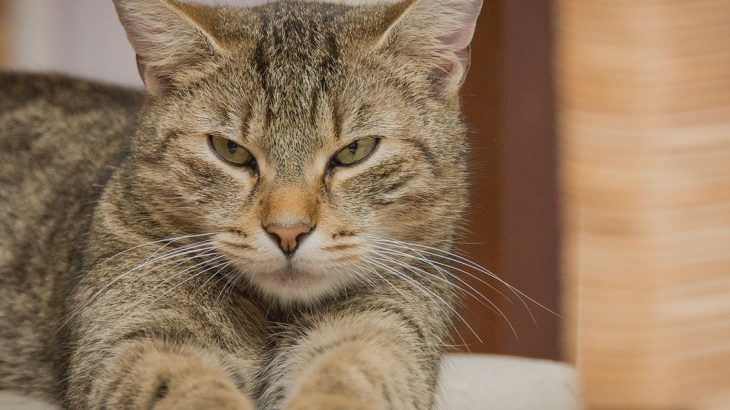
All winter, they barely glanced at the door.
Rain tapping against the window, wind rattling the fence — and your cat was more than happy to stay curled up somewhere warm, half-asleep and completely uninterested in the outside world.
Then spring arrives.
And suddenly, they’re at the door. Constantly.
Meowing. Staring. Sitting there like they’ve got somewhere very important to be. You open it… they step out, hesitate, come back in. Then five minutes later, they’re back asking again.
If your cat has turned into a full-time door supervisor, you’re not imagining things.
Something has definitely changed.
The World Feels Different Again
Cats are incredibly tuned in to their environment. Even small seasonal shifts don’t go unnoticed.
Longer days mean more light filtering into the house. The air smells different. There’s movement outside again — birds, insects, other cats reappearing after the winter lull.
To us, it’s just a nicer time of year.
To your cat, it’s a whole world waking back up.
After months of quiet, there’s suddenly something worth paying attention to again.
The Pull of Fresh Air and Familiar Territory
Even cats that spend most of their time indoors still carry that instinct to explore. They remember their territory — the garden, the wall, the neighbour’s shed — even if they haven’t visited it in weeks.
Spring seems to flick a switch.
You’ll notice them sniffing more, lingering at windows, watching everything with a bit more intent. It’s not random. They’re checking what’s changed.
Who’s been around. What’s new. What’s worth investigating.
And once that curiosity kicks in, it’s hard to ignore.
More Light, More Energy
Just like dogs, cats respond to longer daylight hours. Their internal rhythm shifts slightly. You might notice them becoming more active in the early morning or later in the evening.
The sleepy winter routine starts to fade.
They’re not necessarily less tired — just more alert when they are awake. That often comes out as pacing, vocalising, or sitting at the door with purpose.
It can feel like they’ve suddenly become more demanding, but really, they’ve just got more energy to burn.
The Return of “Cat Business”
Spring is also when the neighbourhood starts to get busier from a cat’s point of view.
Other cats reappear. Territory lines get tested again. New scents show up along fences and garden paths. Even if your cat isn’t particularly territorial, they’re aware of all of it.
That awareness can drive the need to go out.
Not necessarily to fight or roam far — often just to check, to observe, to re-establish their place in the world.
From your perspective, it’s a cat sitting at the door.
From theirs, it’s unfinished business.
Why They Can’t Make Up Their Mind
One of the more confusing parts for owners is the indecision.
They ask to go out.
You open the door.
They stand there.
They go back inside.
Then immediately ask again.
This isn’t them being awkward (well, not entirely).
Spring weather can be unpredictable. It might look bright, but still feel cold. There might be a breeze they don’t like. Or simply too much going on at once.
They want to go out… but they also want conditions to be exactly right.
So they test it. Repeatedly.
Indoor Cats Feel It Too
Even if your cat doesn’t go outside at all, you may still notice a shift.
More time spent at windows. More interest in birds or passing movement. A bit more restlessness during the day.
They’re still responding to the same seasonal changes — just from indoors.
A sunny windowsill suddenly becomes prime real estate. The world beyond the glass is far more interesting than it was a few weeks ago.
Finding a Balance That Works
Not every cat needs to suddenly become an outdoor explorer again. And not every owner wants that either.
If your cat does go outside, spring is a good time to ease back into it rather than letting them disappear for hours straight away. Short, familiar outings help them adjust safely.
For indoor cats, a bit of added stimulation can help take the edge off that curiosity — even something as simple as moving a bed closer to a window or adding short play sessions.
The goal isn’t to stop the behaviour. It’s to meet it halfway.
A Word from Pet Angel Sitters
We see it every year — cats that seemed perfectly content all winter suddenly rediscovering their independence the moment spring arrives.
It’s not a problem. It’s a shift.
At Pet Angel Sitters, we work with that change rather than against it. Keeping routines steady while allowing for a bit more exploration helps cats settle into the new season without becoming frustrated or overwhelmed.
Because for cats, spring isn’t just a nicer time of year.
It’s a signal.
And once they hear it, they’re not likely to ignore it.