

Bringing Home a Rescue Dog or Cat: Settling a Nervous New Arrival

There are few things in life as quietly wonderful as bringing home a rescue pet. You’re giving an animal a second chance, a soft bed, and a family of their own — and somewhere down the line they’ll repay it a hundred times over. But let’s be honest about the early days, because they can be a bit of a rollercoaster, and nobody does anyone any favours by pretending otherwise.

A rescue dog or cat arrives carrying a history you’ll never fully know. Maybe they were surrendered, maybe strayed, maybe they had a rough start that left a mark. So when they walk through your door, they don’t yet know they’re home. They just know they’re somewhere new, with strange smells, strange sounds, and people they’ve no reason yet to trust. The settling-in takes patience — but it’s some of the most rewarding patience you’ll ever spend.


The first few days: less is more

The biggest mistake well-meaning new owners make is doing too much, too soon. You’re excited, the family’s excited, half the neighbourhood wants to meet the new arrival — and meanwhile your nervous newcomer is quietly overwhelmed. In those first days, the kindest thing you can do is keep the world small and calm.

Give them one quiet room or a cosy corner that’s theirs. Let them come to you rather than scooping them up. Keep visitors to a minimum, keep the voices low, and resist the urge to invite everyone round for the big reveal. A frightened animal needs to learn the lie of the land at their own pace, and they can’t do that with a houseful of people cooing over them.

Routine is everything

If there’s one gift you can give a rescue pet, it’s predictability. Feed them at the same times, walk at the same times, keep bedtime and morning roughly consistent. When an animal has had an uncertain past, a reliable routine tells them — far better than any words could — that they’re safe now, that food always comes, that this is a place they can count on.

This is the same principle that helps any pet through a period of change, and it’s worth reading more about how routine steadies an anxious animal over on our blog, where we’ve written about settling pets through all sorts of transitions.

Patience with the wobbles

Expect some bumps. A house-trained dog might have accidents from stress. A cat might hide under the bed for days. There may be chewing, pacing, the odd sleepless night. None of it is bold behaviour or a sign you’ve taken on a “problem” animal — it’s a frightened creature finding their feet. Stay calm, stay gentle, reward the brave moments, and never punish the frightened ones. Confidence comes in its own time, and when it does, it’s a joy to watch.

When you need a hand

Settling a rescue pet takes time at home — but life doesn’t stop. Work carries on, appointments still need keeping, and a newly arrived animal often isn’t ready to be left for long stretches just yet. This is where a gentle bit of help makes all the difference. Our dog walking service across Dublin, Meath and Louth can keep a nervous new dog exercised and reassured during the day, and our in-home cat minding means a shy new cat can be checked on without the stress of being moved anywhere strange.

Because we care for pets in their own home, there’s no added upheaval for an animal already coping with plenty of it. You can read a bit more about us and how we work, or get in touch for a chat about what your new arrival needs. Bringing home a rescue is the start of a beautiful thing — and we’d be glad to help you both settle into it.


Why Your Cat Is Suddenly Obsessed with Going Outside Again

All winter, they barely glanced at the door.

Rain tapping against the window, wind rattling the fence — and your cat was more than happy to stay curled up somewhere warm, half-asleep and completely uninterested in the outside world.

Then spring arrives.

And suddenly, they’re at the door. Constantly.

Meowing. Staring. Sitting there like they’ve got somewhere very important to be. You open it… they step out, hesitate, come back in. Then five minutes later, they’re back asking again.

If your cat has turned into a full-time door supervisor, you’re not imagining things.

Something has definitely changed.


The World Feels Different Again

Cats are incredibly tuned in to their environment. Even small seasonal shifts don’t go unnoticed.

Longer days mean more light filtering into the house. The air smells different. There’s movement outside again — birds, insects, other cats reappearing after the winter lull.

To us, it’s just a nicer time of year.

To your cat, it’s a whole world waking back up.

After months of quiet, there’s suddenly something worth paying attention to again.


The Pull of Fresh Air and Familiar Territory

Even cats that spend most of their time indoors still carry that instinct to explore. They remember their territory — the garden, the wall, the neighbour’s shed — even if they haven’t visited it in weeks.

Spring seems to flick a switch.

You’ll notice them sniffing more, lingering at windows, watching everything with a bit more intent. It’s not random. They’re checking what’s changed.

Who’s been around. What’s new. What’s worth investigating.

And once that curiosity kicks in, it’s hard to ignore.


More Light, More Energy

Just like dogs, cats respond to longer daylight hours. Their internal rhythm shifts slightly. You might notice them becoming more active in the early morning or later in the evening.

The sleepy winter routine starts to fade.

They’re not necessarily less tired — just more alert when they are awake. That often comes out as pacing, vocalising, or sitting at the door with purpose.

It can feel like they’ve suddenly become more demanding, but really, they’ve just got more energy to burn.


The Return of “Cat Business”

Spring is also when the neighbourhood starts to get busier from a cat’s point of view.

Other cats reappear. Territory lines get tested again. New scents show up along fences and garden paths. Even if your cat isn’t particularly territorial, they’re aware of all of it.

That awareness can drive the need to go out.

Not necessarily to fight or roam far — often just to check, to observe, to re-establish their place in the world.

From your perspective, it’s a cat sitting at the door.

From theirs, it’s unfinished business.


Why They Can’t Make Up Their Mind

One of the more confusing parts for owners is the indecision.

They ask to go out.
You open the door.
They stand there.
They go back inside.
Then immediately ask again.

This isn’t them being awkward (well, not entirely).

Spring weather can be unpredictable. It might look bright, but still feel cold. There might be a breeze they don’t like. Or simply too much going on at once.

They want to go out… but they also want conditions to be exactly right.

So they test it. Repeatedly.


Indoor Cats Feel It Too

Even if your cat doesn’t go outside at all, you may still notice a shift.

More time spent at windows. More interest in birds or passing movement. A bit more restlessness during the day.

They’re still responding to the same seasonal changes — just from indoors.

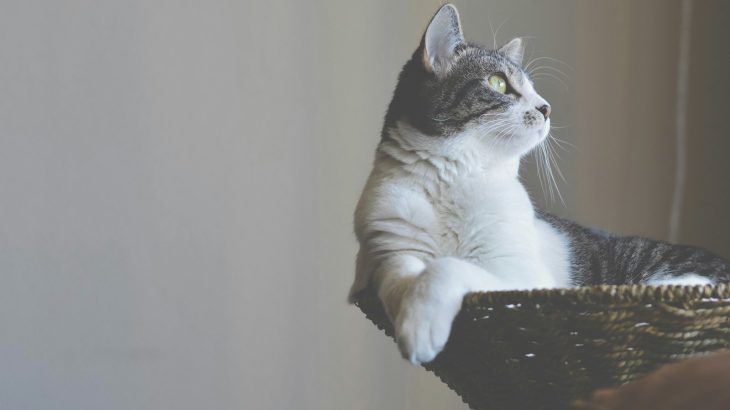
A sunny windowsill suddenly becomes prime real estate. The world beyond the glass is far more interesting than it was a few weeks ago.


Finding a Balance That Works

Not every cat needs to suddenly become an outdoor explorer again. And not every owner wants that either.

If your cat does go outside, spring is a good time to ease back into it rather than letting them disappear for hours straight away. Short, familiar outings help them adjust safely.

For indoor cats, a bit of added stimulation can help take the edge off that curiosity — even something as simple as moving a bed closer to a window or adding short play sessions.

The goal isn’t to stop the behaviour. It’s to meet it halfway.


A Word from Pet Angel Sitters

We see it every year — cats that seemed perfectly content all winter suddenly rediscovering their independence the moment spring arrives.

It’s not a problem. It’s a shift.

At Pet Angel Sitters, we work with that change rather than against it. Keeping routines steady while allowing for a bit more exploration helps cats settle into the new season without becoming frustrated or overwhelmed.

Because for cats, spring isn’t just a nicer time of year.

It’s a signal.

And once they hear it, they’re not likely to ignore it.