

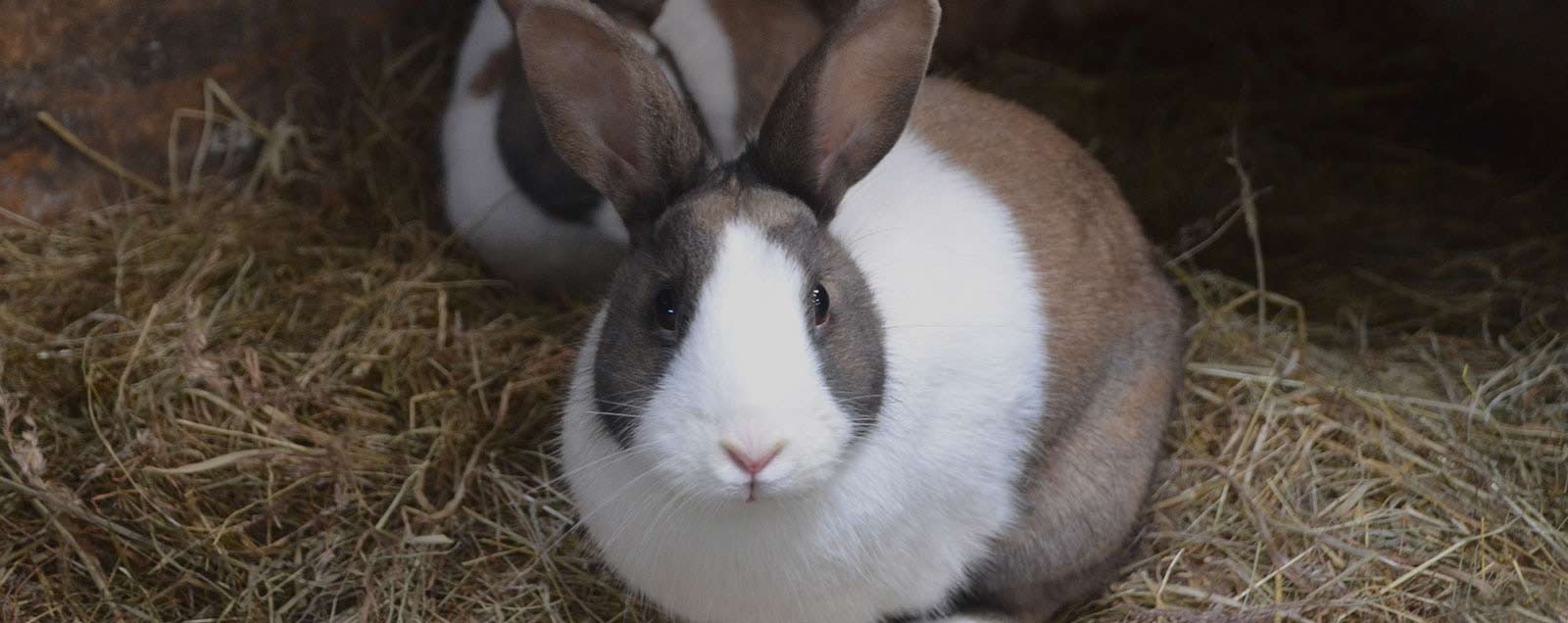
7 Simple Ways to Keep Rabbits Happy Indoors

Rabbits are often thought of as quiet, low-maintenance pets. But anyone who has lived with one knows there’s a lot more going on behind those twitching noses.

They’re curious, sensitive, clever little animals with very strong opinions about their surroundings. And when rabbits live indoors, those surroundings matter a lot.

A happy indoor rabbit usually isn’t the one with the fanciest setup — it’s the one that feels safe, stimulated, and comfortable in its environment.

The good news is that keeping rabbits content indoors often comes down to small, thoughtful habits rather than anything complicated.


1. Give Them Space to Properly Move Around

One of the biggest mistakes people make with indoor rabbits is underestimating how much space they need.

Rabbits aren’t designed to sit in a cage all day. They need room to hop, stretch fully, stand up on their back legs, and move around naturally.

Even calm rabbits benefit hugely from having safe areas where they can explore properly. A rabbit with space to move usually becomes more confident and relaxed overall.

You’ll often notice their personality comes out much more once they feel they have freedom within the home.


2. Create Hiding Spots

Rabbits are prey animals by nature, which means feeling secure is incredibly important to them.

Even the friendliest rabbit likes having somewhere to retreat when they’ve had enough stimulation. Cardboard boxes, covered beds, tunnels, or quiet corners all help create that sense of safety.

And honestly, rabbits love cardboard boxes more than most expensive toys anyway.

A rabbit that feels it has a safe place to hide is usually much calmer and more social.


3. Let Them Chew (Safely)

Rabbits need to chew constantly to keep their teeth healthy.

If they don’t have safe things to chew, they’ll usually make their own decisions — skirting boards, furniture legs, wires, rugs… nothing is truly safe from a determined rabbit.

Providing rabbit-safe chew toys, untreated wood, hay, and cardboard helps redirect that instinct naturally.

It’s less about stopping chewing and more about giving them better options.


4. Keep Their Routine Predictable

Rabbits notice routine more than people realise.

They quickly learn feeding times, cleaning routines, and even the general rhythm of the house. Sudden changes, loud noise, or constant disruption can leave some rabbits stressed or withdrawn.

A steady environment helps them feel secure.

That doesn’t mean life has to be silent or perfectly organised — just reasonably predictable from their point of view.


5. Make Time for Interaction

Some rabbits are extremely social. Others are a bit more reserved. Most sit somewhere in the middle.

But even independent rabbits benefit from gentle interaction and attention.

Sometimes that’s active play. Sometimes it’s simply sitting nearby while they wander around the room doing their own thing. Rabbits often enjoy company on their own terms.

Trust with rabbits tends to build quietly over time rather than all at once.

And once it’s there, it’s very obvious.


6. Watch the Temperature Indoors

People often assume indoor rabbits are automatically protected from weather changes, but houses can become surprisingly warm in spring and summer.

Rabbits cope much better with cooler temperatures than excessive heat. Sunny rooms, conservatories, or areas with poor airflow can quickly become uncomfortable for them.

You’ll often notice rabbits naturally stretching out on cooler flooring when they’re too warm. Fresh water, shaded areas, and good ventilation make a huge difference during warmer months.


7. Let Them Be Curious

Rabbits are naturally inquisitive animals.

They like investigating bags left on the floor, checking new smells, exploring corners they definitely shouldn’t fit into, and generally supervising whatever you’re doing.

That curiosity is healthy.

Simple enrichment — changing up toys occasionally, creating tunnels, scattering hay to encourage foraging — helps indoor rabbits stay mentally stimulated as well as physically active.

It doesn’t need to be elaborate. Often the simplest things are the most entertaining from a rabbit’s perspective.


Indoor Rabbits Thrive on Calm, Familiar Spaces

One of the nicest things about rabbits is how much personality they develop once they feel safe.

Some become playful and mischievous. Others are gentle and affectionate in quieter ways. But almost all rabbits thrive when they feel secure in their environment and trusted by the people around them.

At Pet Angel Sitters, we know smaller pets need just as much understanding and routine as dogs and cats do. Rabbits may be quieter, but they notice changes quickly — and familiar care makes a huge difference when owners are away.

Because for rabbits, happiness is usually found in simple things:
space to explore, somewhere safe to rest, and a home that feels calm and familiar.


Small Pets, Big Personalities: Understanding Rabbits and Hamsters at Home

Dogs and cats tend to get most of the attention when people talk about pets. They’re out on walks, stretched across sofas, or appearing in half the photos on your phone.

But smaller pets have their own personalities entirely.

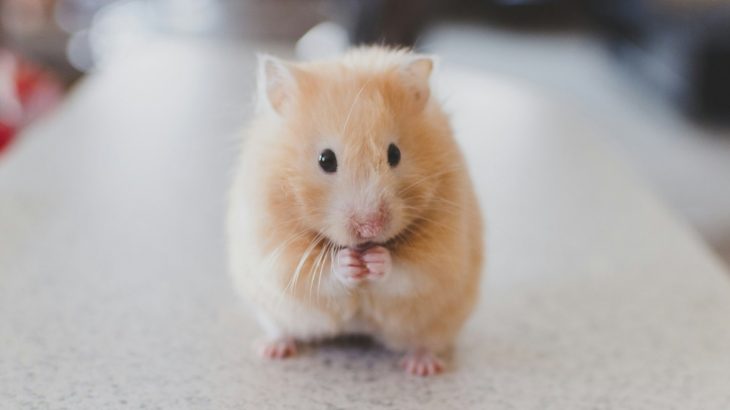
Anyone who’s ever lived with a rabbit or hamster knows they’re far from “easy” or “simple” pets. They notice routines, build habits, get attached to familiar environments, and can be surprisingly expressive once you understand them.

In many ways, they’re just quieter about it.


Rabbits Are More Social Than People Expect

A lot of people are surprised by how much personality rabbits actually have.

Some are bold and curious, hopping over to inspect everything happening around them. Others are cautious and prefer to observe from a safe distance before deciding whether you’re trustworthy that day.

But one thing most rabbits have in common is that they thrive on consistency.

They like familiar spaces, regular feeding times, and environments where they feel secure. Sudden noise or too much disruption can make them nervous quickly, especially indoors where every sound feels amplified.

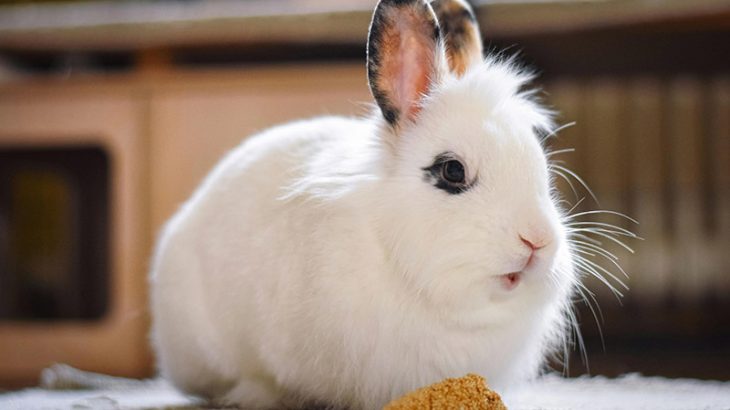
Once settled though, rabbits become incredibly affectionate in their own way. A rabbit flopping onto its side near you or quietly following you around a room is showing trust — even if it’s less obvious than a dog wagging its tail.


Hamsters Live on Their Own Schedule

Hamsters are completely different creatures altogether.

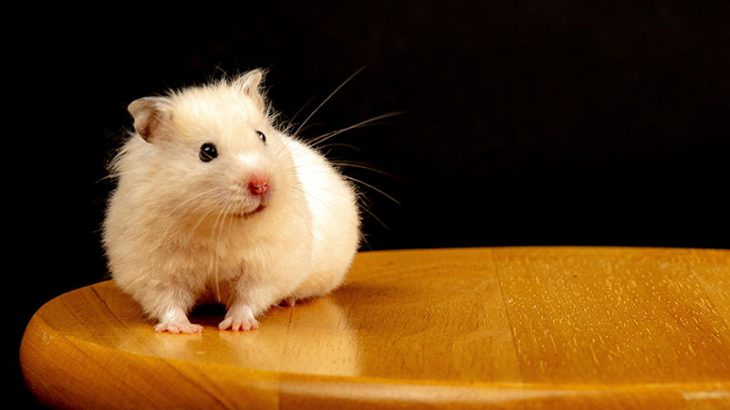
While rabbits are often most active during the day, hamsters tend to operate on their own strange little timetable. They might sleep through the evening and suddenly decide 2am is the perfect time to reorganise their entire cage at full volume.

Owners quickly learn to adapt.

Despite their tiny size, hamsters are surprisingly busy animals. They love routines, familiar scents, and environments they can explore safely. Tubes, bedding, hiding spots, and exercise wheels aren’t just entertainment — they help hamsters feel secure and stimulated.

And like rabbits, they can become stressed if their environment changes too suddenly.


Small Pets Still Need Attention

One of the biggest misconceptions about rabbits and hamsters is that they don’t need much interaction.

In reality, they still rely heavily on routine and care.

Rabbits need social interaction, mental stimulation, space to move properly, and daily attention. Hamsters may be more independent, but they still need gentle handling, clean environments, and regular monitoring.

Small pets are also very good at hiding illness or stress. Changes in eating, sleeping, grooming, or behaviour can sometimes be subtle, which means paying attention matters.

It’s often the little things that tell you something isn’t quite right.


Warm Weather Affects Them Too

As summer approaches, smaller pets can struggle with heat more than people realise.

Rabbits in particular are very sensitive to warmer temperatures. Hutches placed in direct sun can become dangerously hot quickly, even during mild Irish weather. Shade, airflow, and constant access to fresh water become essential once temperatures rise.

Hamsters can also become uncomfortable in warm rooms, especially if cages are placed near windows or radiators.

Unlike dogs, they can’t simply move around the house looking for cooler spots. Their environment depends entirely on us.


Noise and Stress Carry More Weight

Because rabbits and hamsters are naturally prey animals, they experience the world differently than cats or dogs.

Loud noises, sudden movements, unfamiliar people, or constant handling can feel overwhelming much faster. What seems harmless to us can sometimes leave smaller pets stressed for hours afterwards.

That doesn’t mean they’re fragile — just more sensitive to their surroundings.

A calm environment and gentle routine go a long way in helping them feel safe.


The Importance of Familiar Care

Small pets often cope best when their home environment stays consistent.

Moving rabbits or hamsters unnecessarily can cause stress, especially if they’re already shy or sensitive animals. Familiar smells, familiar feeding routines, and familiar surroundings help them stay relaxed.

That’s one reason home visits can work so well for smaller pets while owners are away. Their world stays largely unchanged, which keeps disruption to a minimum.

At Pet Angel Sitters, we know that caring for rabbits and hamsters isn’t simply about topping up food and water. Every animal has its own habits and personality, no matter how small.

Some rabbits want interaction straight away. Others prefer space. Some hamsters are curious and active; others would rather pretend you don’t exist until feeding time.

Learning those differences is part of caring for them properly.


Small Pets Leave a Big Impression

People sometimes underestimate how attached they’ll become to smaller pets.

But over time, the little routines become familiar. The sounds. The habits. The personalities.

The rabbit waiting near the door when it hears footsteps. The hamster appearing from its bedding at the exact same time every evening. The tiny behaviours that become part of daily life without you even noticing.

They may be quieter than dogs or cats, but they bring just as much character into a home.

Sometimes even more.