Travelling with Pets: A Guide to Ferries, Flights and Pet Passports from Ireland

Sooner or later, most pet owners face the big question: do we bring them with us, or do we leave them in safe hands at home? If you’ve decided to travel with your dog or cat — whether it’s a trip across to the UK, a longer journey into Europe, or a flight further afield — there’s a fair bit to get your head around first. Pet travel from Ireland comes with real rules, real paperwork, and real deadlines, and the worst time to discover a gap is at the check-in desk.

So let’s walk through the essentials, the Irish way, so you know what you’re dealing with before you book a thing.


The paperwork: passports and pet travel

Since Brexit, the old EU Pet Passport issued in Ireland still works for travel into the EU, but travelling to Great Britain now has its own requirements. For most European trips your pet will need a microchip, a valid rabies vaccination (given after the chip, with a waiting period before you can travel), and the right documentation. Rules shift and vary by destination, so always check the current Department of Agriculture guidance and talk to your vet well in advance — some of these steps have waiting periods of weeks or even months.

The golden rule: start early. Far too many trips come unstuck because a rabies jab was given a fortnight before departure when the rules required a longer gap. Build in plenty of runway.

Ferries vs flights

From Ireland, the ferry is often the kinder option for pets, especially dogs. Many routes let dogs travel in pet-friendly cabins or kennels, and there’s no cargo hold to worry about. Flying is more complicated — airline policies vary enormously, smaller pets may travel in cabin while larger ones go as cargo, and not every owner is comfortable with the latter. Whichever you choose, book the pet’s place early, as spaces are limited and fill up fast in summer.

Making the journey itself easier

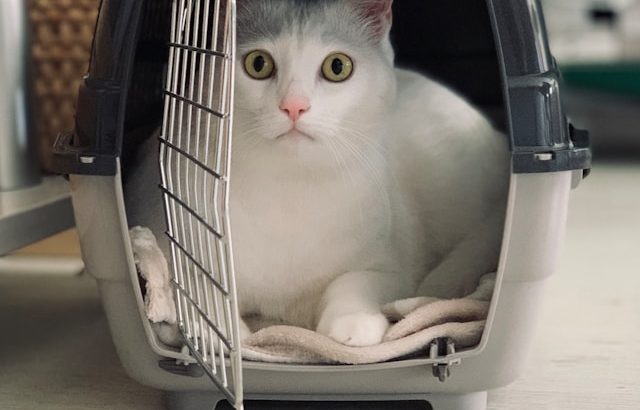
Get your pet used to their carrier or crate well before the trip, so it feels like a safe den rather than a sudden prison. Don’t feed a big meal right before travelling. Bring water, a familiar blanket, and something that smells of home. And be realistic about your own animal — some pets take travel in their stride, while others find it genuinely distressing.

And if the honest answer is “leave them at home”?

Here’s the bit worth saying plainly: for a lot of pets, the happiest option isn’t travelling at all. A nervous flyer, an older animal, a cat who loathes the carrier — for these, the stress of the journey can far outweigh the joy of having them along. There’s no shame in deciding they’d be better off in their own home, in their own routine, with someone popping in to mind them.

That’s exactly what we do. Whether it’s our dog walking and minding, cat minding, or care for smaller companions like rabbits and birds, your pet stays exactly where they’re most comfortable — at home — while you travel with a clear conscience. You can see the full range of services we offer, or get in touch to talk through what would suit your trip. Sometimes the most loving thing is the goodbye at the front door rather than the queue at departures.


Bringing Home a Rescue Dog or Cat: Settling a Nervous New Arrival

There are few things in life as quietly wonderful as bringing home a rescue pet. You’re giving an animal a second chance, a soft bed, and a family of their own — and somewhere down the line they’ll repay it a hundred times over. But let’s be honest about the early days, because they can be a bit of a rollercoaster, and nobody does anyone any favours by pretending otherwise.

A rescue dog or cat arrives carrying a history you’ll never fully know. Maybe they were surrendered, maybe strayed, maybe they had a rough start that left a mark. So when they walk through your door, they don’t yet know they’re home. They just know they’re somewhere new, with strange smells, strange sounds, and people they’ve no reason yet to trust. The settling-in takes patience — but it’s some of the most rewarding patience you’ll ever spend.


The first few days: less is more

The biggest mistake well-meaning new owners make is doing too much, too soon. You’re excited, the family’s excited, half the neighbourhood wants to meet the new arrival — and meanwhile your nervous newcomer is quietly overwhelmed. In those first days, the kindest thing you can do is keep the world small and calm.

Give them one quiet room or a cosy corner that’s theirs. Let them come to you rather than scooping them up. Keep visitors to a minimum, keep the voices low, and resist the urge to invite everyone round for the big reveal. A frightened animal needs to learn the lie of the land at their own pace, and they can’t do that with a houseful of people cooing over them.

Routine is everything

If there’s one gift you can give a rescue pet, it’s predictability. Feed them at the same times, walk at the same times, keep bedtime and morning roughly consistent. When an animal has had an uncertain past, a reliable routine tells them — far better than any words could — that they’re safe now, that food always comes, that this is a place they can count on.

This is the same principle that helps any pet through a period of change, and it’s worth reading more about how routine steadies an anxious animal over on our blog, where we’ve written about settling pets through all sorts of transitions.

Patience with the wobbles

Expect some bumps. A house-trained dog might have accidents from stress. A cat might hide under the bed for days. There may be chewing, pacing, the odd sleepless night. None of it is bold behaviour or a sign you’ve taken on a “problem” animal — it’s a frightened creature finding their feet. Stay calm, stay gentle, reward the brave moments, and never punish the frightened ones. Confidence comes in its own time, and when it does, it’s a joy to watch.

When you need a hand

Settling a rescue pet takes time at home — but life doesn’t stop. Work carries on, appointments still need keeping, and a newly arrived animal often isn’t ready to be left for long stretches just yet. This is where a gentle bit of help makes all the difference. Our dog walking service across Dublin, Meath and Louth can keep a nervous new dog exercised and reassured during the day, and our in-home cat minding means a shy new cat can be checked on without the stress of being moved anywhere strange.

Because we care for pets in their own home, there’s no added upheaval for an animal already coping with plenty of it. You can read a bit more about us and how we work, or get in touch for a chat about what your new arrival needs. Bringing home a rescue is the start of a beautiful thing — and we’d be glad to help you both settle into it.


Back to the Office: Helping Your Pet Adjust When the Household Routine Changes

There’s a particular look a dog gives you when the alarm goes off earlier than it has in months. Ears up, head cocked to one side, that slow dawning realisation written all over their face: something’s different here, and I’m not at all sure I like it. If you’ve recently gone back to the office after a good stretch of working from home — or you’re bracing yourself for it — you’ll know the look I mean.

The thing is, our pets don’t read calendars or check work rosters. They’ve no idea your boss wants everyone back at their desks. All they know is that you’ve been home, the house has been full and busy, and the days have had a lovely, predictable shape to them. So when that shape changes more or less overnight, it can knock them sideways.

We see it all the time across North Dublin, Meath, and Louth. A family’s circumstances shift, the house empties out during the day, and a once-settled dog starts chewing the skirting boards, or a perfectly contented cat goes off their dinner. It’s not bold behaviour and it’s not them being difficult — it’s a small creature trying to make sense of a world that’s suddenly gone quiet on them. The good news is that with a bit of planning and a gentle hand, you can help them through it. So let’s have a proper chat about how.


Why the change hits them so hard

Here’s something worth holding onto: animals are creatures of habit in a way that would put even the most organised among us to shame. Dogs and cats absolutely thrive on knowing what comes next. Roughly when breakfast lands, when the walk happens, when the house goes quiet, and — most importantly — when their favourite human comes back through the door.

When you were working from home, your pet had company on tap. Maybe they snoozed at your feet through every meeting, got an extra wander at lunchtime, or simply took comfort in knowing you were only ever in the next room. That became their normal. It became the whole shape of their day.

So heading back to the office isn’t just you leaving the house, not from where they’re sitting. The entire structure of their world has shifted on its axis. The company they leaned on is gone for eight or nine hours. The midday walk vanishes. The house falls silent. And nobody’s sat them down to explain why. Honestly, if your closest companion started disappearing every morning without a word and reappearing each evening, day after day, you’d be a bit rattled too. The difference is that our pets can’t tell us they’re struggling. They can only show us.


How they show you they’re struggling

Before we get to the fixes, it’s worth knowing what to watch for, because pets speak in actions rather than words. With dogs, the signs tend to be fairly loud and clear — that’s just their way. You might come home to chewed slippers or a savaged piece of post, hear from the neighbours that there’s been barking or howling while you’re out, or find the odd accident on the floor from a dog who’s been house-trained for years. Some go off their food; others bolt it down and then pace the place restlessly. A lot of dogs will start shadowing you from room to room in the evenings, as if trying to soak up every last minute before you vanish again. It can be heartbreaking to watch, but it’s all coming from the same place: where did everyone go?

Cats, being cats, are far more subtle about the whole business — they like to keep their cards close to their chest. But the signs are there if you look. A stressed cat might hide away more than usual, tuck themselves into odd corners they’d normally turn their nose up at, or start over-grooming, sometimes to the point of a bald patch or two. You might find them toileting outside the litter tray, which is often a cat’s rather pointed way of letting you know all is not well. Some go suddenly clingy; others turn unexpectedly cool and aloof, blanking the affection they’d usually lap up.

If you spot any of this and it lingers, it’s always worth a quick word with your vet to rule out anything physical. But nine times out of ten, when these signs crop up right alongside a big change in routine, the routine is your culprit.


Start before the change, not after

If I could press one bit of advice into your hand above all the rest, it’d be this: don’t wait until your first morning back at the desk to start helping your pet adjust. Begin the groundwork a week or two beforehand, while you’ve still got a bit of flexibility to play with. Animals cope far, far better with slow change than with a sudden cliff edge, so the whole game here is to ease them into it rather than drop them off the deep end.

Start leaving the house for short spells — ten minutes, then half an hour, then an hour or two. Pop out for a coffee, run a few messages, take yourself off for a walk without the dog for once. You’re gently reminding your pet that you going out is a normal, everyday thing, and — this is the important part — that you always come back.

And keep those comings and goings low-key. No big tearful goodbyes, no over-the-top homecomings. I know, I know — every fibre of you wants to make a fuss of them. But a calm “right, see you later” quietly teaches your pet that leaving is no big deal. Make a drama of it and you accidentally confirm their worst suspicion, which is that something momentous and frightening is afoot. While you’re at it, start nudging mealtimes, walks, and play towards your future office schedule. Shift breakfast a little earlier, bring the main walk forward to before you’d be heading out the door, and let their body clock catch up in stages.


Building a new normal that actually sticks

Once you’re properly back at the office, the whole name of the game is consistency. A new routine, held to firmly, becomes your pet’s new normal far quicker than you’d think — they really are wonderfully adaptable little souls. They just need the new pattern to be reliable.

Your mornings and evenings become precious, so make them count. A decent walk and a bit of play before you leave works wonders, because a tired, contented pet is a calm one, and far more likely to settle down for a good snooze once the house empties. Then in the evenings, give them your proper attention — not half-distracted scrolling on the sofa, but the real thing: a game, a grooming session, a proper cuddle, a second walk if the dog’s up for it. It was never about the number of hours. It’s the quality of the time you do share, and believe me, they feel the difference.

There’s plenty you can do to take the edge off those empty hours, too. Leaving a radio or the telly on low gives the place a bit of human chatter, which a surprising number of pets find genuinely soothing. Puzzle feeders, lick mats, and treat-dispensing toys turn an ordinary dinner into a proper bit of work that tires out the brain — a snuffle mat scattered with kibble can keep a dog happily occupied for ages. For cats, a window perch with a good view of the garden and the comings and goings of the street is worth its weight in gold; a bit of “cat TV” can keep them entertained for hours. And here’s a small trick worth knowing: don’t leave every toy out all the time. Keep a few back and rotate them, because a toy that’s been out of sight for a fortnight feels brand new again when it reappears.


Where a sitter or dog walker changes everything

Now, I’ll be straight with you here. You can do every bit of preparation under the sun, but the plain fact remains that a dog left on their own for eight or nine hours, day in and day out, is a long old stretch for any animal. Dogs simply aren’t built for that much solitude, and even the most independent cat is the better for a friendly face dropping in. This is exactly where a professional sitter or dog walker becomes the missing piece of the whole puzzle.

A midday visit transforms the day completely. For a dog, it means a proper walk right in the heart of those long hours — a chance to stretch the legs, do their business, sniff every lamppost on the road, and burn off the energy that would otherwise turn into a chewed sofa cushion. That one break can be the whole difference between a frustrated, pent-up dog and a relaxed, happy one. For a cat, a drop-in means fresh food and water, a clean tray, a bit of company, and a pair of kind eyes making sure all’s well — and even the aloofest cat appreciates it, whether they’d ever admit as much or not.

One thing we feel strongly about at Pet Angel Sitters is that pets are happiest in their own home. No stressful kennel, no strange smells, no upheaval — your pet stays put in the place they know and love, surrounded by their own bed and their own familiar corners, and a kind, reliable person simply comes to them. For an animal already getting their head around one big change, keeping everything else familiar makes the world of difference. We fit into their routine rather than asking them to cope with yet another one.

And let’s not forget your side of all this. Going back to the office is a fair adjustment for you, too. Spending the whole day quietly fretting over whether the dog’s in bits or the cat’s gone off their food is no way to get through a Monday. Knowing that someone’s popped in, fired you off a quick photo and a “all grand here,” and confirmed your pet is happy and looked after — well, that lifts a real weight. You get to focus on the job, and they get the care they deserve.


A word on patience

However well you prepare, do give your pet — and yourself — a bit of grace. This doesn’t all click into place in a single day. Some pets settle within a week; others take a few weeks to truly find their feet. There’ll likely be the odd setback, a chewed shoe here or a missed tray there, and the temptation will be to give out. Try not to. Stress responses aren’t naughtiness, and a telling-off only piles more worry on top of what’s already there. Stay calm, stay consistent, reward the settled behaviour you want to see more of, and trust that they’ll get there with you.

And if things genuinely aren’t improving — if the distress is severe, or it drags on well past a few weeks — don’t soldier on alone. A chat with your vet, or a session with a good behaviourist, can make all the difference. There’s no shame in it whatsoever. It’s just good minding.


Let us help with the transition

Going back to the office shouldn’t mean your pet’s the one who pays for it. With a little forward planning, a steady new routine, and the right bit of support during those long working hours, your dog or cat can take the whole thing in their stride.

So if you’re in North Dublin, Meath, or Louth and you’re staring down this exact change, we’d love to take some of the worry off your plate. Whether it’s a daily walk to break up the day, a quick drop-in to check on the cat, or a fuller pet-sitting arrangement, we’re here to make sure your pet feels loved and looked after — even on the days you can’t be there yourself. Get in touch and let’s put together a plan that suits your pet, your schedule, and your peace of mind. Sure, going back to work is hard enough without leaving your worries at home as well.


Dog-Friendly Hotels in Ireland: Places You and Your Dog Can Actually Enjoy

The minute a stretch of good weather appears, people start thinking about getting away for a night or two.

The bags get packed quickly, someone checks the forecast every ten minutes, and then comes the big question for dog owners:

Can we bring the dog?

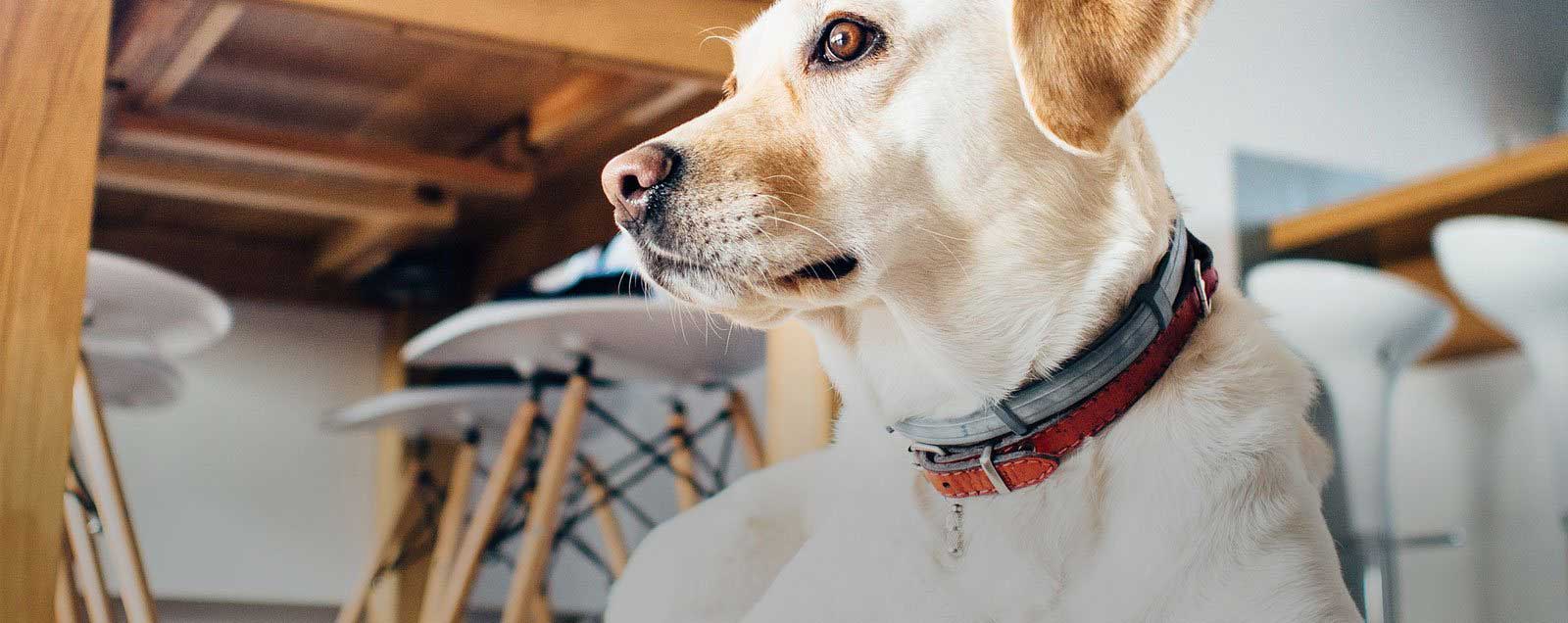
Thankfully, Ireland has become far more dog-friendly over the last few years. More hotels are realising that people don’t always want to leave their dogs behind — especially for short breaks around the country.

And honestly, some dogs probably enjoy a hotel stay more than the humans do.


Not Every “Dog-Friendly” Hotel Feels the Same

Anyone who has travelled with a dog knows there’s a big difference between:
“Dogs tolerated”
and
“Dogs genuinely welcome.”

Some places allow dogs in a room and nowhere else. Others go properly out of their way to make the experience comfortable — water bowls ready, easy outdoor access, nearby walking trails, and staff who don’t panic when a Labrador appears in reception.

That difference matters.

A relaxed environment makes the trip easier for everyone, including your dog.


Coastal Hotels Always Feel Like a Good Idea

For dog owners, coastal stays are hard to beat. Long beach walks, sea air, plenty of open space — most dogs settle into holiday mode surprisingly quickly once they’re near the coast.

Places like Ocean Sands Hotel & Spa – Enniscrone, County Sligo are popular partly because of their location near wide beaches and walking routes. A tired dog after a beach walk is usually a very content hotel guest.

Further south, Inchydoney Island Lodge & Spa in Cork is another well-known option for owners looking for a seaside break without leaving their dog behind.

And along the Wild Atlantic Way, hotels like The Wyatt Hotel in Westport give easy access to dog-friendly walks and outdoor space nearby.


Some Dogs Prefer Quiet Countryside Stays

Not every dog enjoys busy towns or crowded promenades.

Some are far happier somewhere quieter, where walks are slower and there’s less going on. Countryside hotels and estates tend to suit nervous or older dogs especially well.

Places like Parknasilla Resort & Spa in Kerry or Cashel House Hotel in Connemara are the sort of locations where dogs can properly decompress alongside their owners.

Wide open grounds, woodland walks, and calmer surroundings often make the experience much easier for pets who don’t love busy environments.


City Breaks With Dogs Are Easier Than They Used to Be

A few years ago, bringing a dog into Dublin for a hotel stay would have been awkward enough. Now there are far more options than people expect.

Hotels like Zanzibar Locke, Ha’penny Bridge and pet-friendly stays around Dublin are helping make city breaks more manageable for owners travelling with dogs.

That said, city stays suit some dogs better than others. Confident, social dogs usually adapt quickly. More anxious dogs may still prefer quieter locations with less noise and movement around them.


Dogs Notice Holiday Changes Too

Even when dogs are welcomed somewhere, travel can still be a big adjustment for them.

New smells. Different rooms. Strange noises in hallways. Different sleeping arrangements.

Some dogs settle instantly and act like they own the place within ten minutes. Others need a little time before they fully relax.

Bringing familiar things from home — beds, blankets, favourite toys — often helps bridge that gap surprisingly quickly.

Because while dogs enjoy adventure, they still rely heavily on familiarity too.


Hotel Etiquette Matters

One thing more hotels are asking for now is simply responsible dog owners.

Keeping dogs under control in shared spaces, cleaning up after them, and being mindful of barking helps keep dog-friendly stays available for everyone else too.

Most hotels that genuinely welcome dogs are happy to continue doing so when owners are respectful of the space and other guests.


Sometimes Staying Home Is Still the Better Option

As lovely as dog-friendly hotels are, they’re not right for every pet.

Some dogs simply cope better staying at home in familiar surroundings, especially older dogs, nervous pets, or animals who dislike travel and change.

That’s why many owners choose a mix depending on the trip — bringing the dog for some stays, arranging home care for others.

At Pet Angel Sitters, we often care for pets while owners take short breaks around Ireland themselves. And honestly, many animals are happiest staying where they know everything already feels safe and familiar.

There’s no one “correct” choice — it depends entirely on the pet.


A Word from Pet Angel Sitters

Ireland is becoming a much more welcoming place for dog owners who want to travel, and it’s lovely to see more hotels embracing that properly.

From coastal escapes to countryside retreats, there are now plenty of places where dogs can genuinely feel included rather than simply allowed.

And whether your dog joins you on the trip or stays home with familiar care, the most important thing is making sure they feel comfortable, relaxed, and secure.

Because holidays are meant to be enjoyable for everyone — including the dog.


Recommended Dog-Friendly Hotels Mentioned

  • Ocean Sands Hotel & Spa – Enniscrone, County Sligo
  • Inchydoney Island Lodge & Spa
  • The Wyatt Hotel
  • Parknasilla Resort & Spa
  • Cashel House Hotel
  • Zanzibar Locke, Ha’penny Bridge

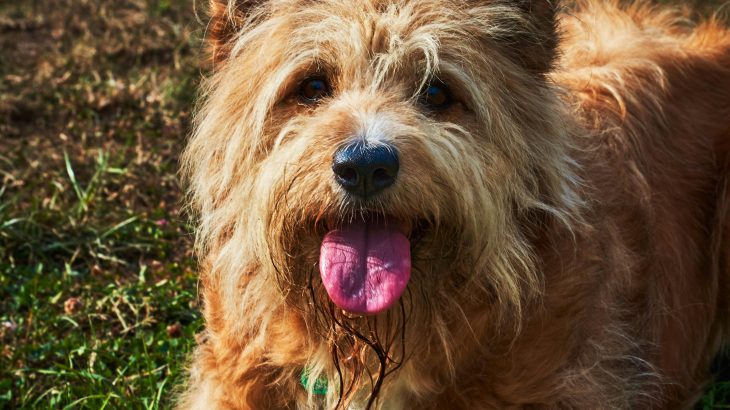
Shaggy terrier-type dog lying in the grass, panting on a warm day

Why Your Dog Sleeps More in Summer

The same dog that spent spring charging around the garden suddenly wants to lie stretched across the coolest patch of floor in the house. Walks become slower. Playtime comes in short bursts. And for large parts of the afternoon, they seem perfectly content doing absolutely nothing.

For owners, it can feel a bit odd at first.

You wait all winter for brighter days and better weather… only for your dog to sleep through most of it.

But in reality, this is completely normal.

Heat Changes Energy Levels

Dogs deal with warm weather very differently than we do.

People sweat to cool themselves down. Dogs don’t. They rely mostly on panting and resting to regulate body temperature, which means warm weather takes more out of them than many owners realise.

Even on a mild Irish summer day, your dog may be using extra energy simply trying to stay cool.

So instead of bouncing around nonstop, many dogs naturally slow themselves down. They nap more. They move less during the warmest parts of the day. They become more active in the early morning or later evening when temperatures feel easier to manage.

It’s not laziness — it’s self-regulation.

Summer Walks Feel Different

A summer walk can be surprisingly tiring for dogs.

The ground feels warmer. There are more people around. More dogs. More noise. More stimulation overall. Even if the walk itself isn’t especially long, the combination of heat and activity can leave dogs needing a proper rest afterwards.

You’ll often notice this most in the afternoon. A dog that was energetic in the morning suddenly disappears into a quiet room and doesn’t move much for hours.

That’s usually a sign they’re listening to their body, not a sign that anything’s wrong.

Sleeping More Is Often a Good Sign

Healthy, relaxed dogs sleep a lot more than people think they do. Depending on age and breed, many dogs naturally sleep between 12 and 14 hours a day — sometimes more.

Summer simply shifts when that sleep happens.

Instead of sleeping deeply overnight and staying active all day, dogs often break their rest into longer daytime naps to avoid the heat.

Older dogs tend to do this even more. Warm weather can leave joints feeling heavier and movement more tiring, so they naturally conserve energy where they can.

The Cool Spot Obsession

Every dog has their summer spot.

For some, it’s the hallway tiles. For others, it’s under the kitchen table, beside the back door, or directly in the path of a breeze coming through an open window.

You’ll often see them moving around the house during the day, searching for cooler places to settle. A dog that normally sleeps on the sofa all winter may suddenly prefer the floor once warmer weather arrives.

Again, that’s instinct.

They’re constantly adjusting to stay comfortable.

Short Bursts of Energy

One of the funny things about dogs in summer is how quickly their energy comes and goes.

They might spend hours asleep… then suddenly race around the garden at full speed for five minutes before collapsing dramatically back into the shade.

That’s very normal.

Many dogs become more selective about when they use their energy during warmer months. Early mornings and cooler evenings often become their most active times.

The middle of the day, especially during warmer spells, tends to be reserved for resting.

When Sleepiness Might Be Something Else

Most summer tiredness is harmless. But there’s still a difference between a dog that’s relaxed and one that’s struggling.

If your dog seems unusually lethargic, refuses food, has difficulty breathing, or can’t settle even in cooler areas, it’s worth paying attention. Excessive panting or weakness in warm weather can sometimes signal overheating.

Usually though, a sleepy summer dog is simply adapting to the season the way dogs naturally do.

Letting Them Slow Down

One of the easiest mistakes to make in summer is expecting dogs to keep the same pace they had in cooler weather.

But dogs are generally very good at telling us what they need. If they stop more often, seek shade, or choose rest over play, they’re not being difficult.

They’re managing themselves.

Sometimes the best thing we can do is let them.

A Word from Pet Angel Sitters

At Pet Angel Sitters, we often notice pets naturally settle into a slower rhythm during summer.

Walks shift to cooler times of day. Water bowls need topping up more often. And many dogs become experts at finding the coolest room in the house before we do.

It’s all part of the season.

Summer doesn’t always make dogs more energetic — sometimes it simply makes them softer, sleepier, and a little more relaxed.

And honestly, they probably have the right idea.