
Summer Pet Care Tips Every Owner Should Know

When summer arrives in Ireland, everyone makes the most of it.

Windows get opened, evenings get longer, and suddenly every park, beach, and green space is full of people making the most of the good weather while it lasts. Pets usually love it too — more time outdoors, more smells, more activity.

But warmer weather also changes what pets need day to day.

And because Irish summers are often mild compared to other countries, it’s easy to underestimate how much heat, sunlight, and changes in routine can affect animals.

The good news is that a few simple adjustments usually make all the difference.


Keep Walks to the Cooler Parts of the Day

One of the biggest mistakes people make in summer is walking dogs at the same time they did in spring.

By midday, pavements and footpaths can hold far more heat than we realise, even on days that don’t feel especially hot to us. Dogs feel this quickly, particularly on their paws and through heavy panting.

Earlier mornings or later evenings tend to suit most dogs much better once temperatures rise.

You’ll often notice your dog naturally slowing down in warmer weather anyway. Stopping more often, seeking shade, or wanting shorter walks isn’t laziness — it’s their way of coping with heat.


Fresh Water Matters More Than Ever

Pets usually drink more during warm weather, especially after walks or time spent outdoors.

Fresh water should always be easy to access, both inside and outside if possible. Bowls left in direct sunlight can warm up surprisingly quickly, so topping them up regularly makes a difference.

Some pets are fussier drinkers than others too. Cats, in particular, sometimes need encouragement to drink enough in summer, which is why owners often notice them seeking cooler places around the house.


Never Underestimate Heat Indoors

People tend to think about heat outdoors, but houses can become stuffy very quickly during warm spells.

Rooms with large windows, conservatories, or spaces that trap afternoon sun can become uncomfortable for pets before we even notice it ourselves.

Dogs and cats will usually try to find cooler areas naturally — tiled floors, shaded corners, hallways. Letting them choose where they rest is often the best thing you can do.

And while open windows help with airflow, they’re something cat owners should be careful with during summer months, particularly upstairs windows.


Be Careful Around Cars

Even on mild Irish days, cars heat up fast.

It doesn’t take extreme temperatures for the inside of a car to become dangerous for a pet left waiting “just for a minute.” Dogs in particular struggle to cool themselves efficiently once trapped in warm spaces.

During summer, it’s always safest to leave pets at home if they can’t come with you into wherever you’re going.


Summer Changes Energy Levels

A lot of owners expect pets to become more energetic in summer, but often the opposite happens.

Many dogs become more selective with their activity. They might have short bursts of excitement early in the day, followed by long naps once the heat builds. Cats often stretch out somewhere sunny for hours, moving only when absolutely necessary.

That slower pace is usually normal.

Pets are generally very good at regulating themselves when given the chance.


Watch Out for Summer Treats and BBQ Food

Summer often means people eating outdoors more — barbecues, picnics, snacks in the garden.

For pets, that creates constant temptation.

Cooked bones, onions, corn cobs, chocolate desserts, and rich leftovers can all cause problems if grabbed from plates or dropped accidentally. Dogs, especially, tend to become excellent opportunists around barbecue season.

Keeping food out of reach saves a lot of stress later on.


Parasites Become More Active

Warm weather also brings fleas and ticks back into the picture.

Dogs spending more time in grass, parks, and woodland areas are naturally more exposed during summer months. A quick check after walks — especially around ears, collars, and paws — becomes a good habit this time of year.

Most of the time, prevention and regular checks are enough to avoid problems.


Keep Routines Steady During Busy Months

Summer often brings changes to household routines. School holidays, weekends away, later evenings, visitors calling over more often.

Pets notice all of it.

Some animals love the extra activity. Others become unsettled if things feel too unpredictable for too long. Keeping feeding times, walks, and rest periods reasonably consistent helps pets feel secure even when life gets busier around them.


A Word from Pet Angel Sitters

Summer is one of the loveliest times of year for pets — longer walks, fresh air, garden naps, open doors, and brighter evenings.

But warmer weather also asks us to slow down a little and pay closer attention to what pets need.

At Pet Angel Sitters, we naturally adjust our care with the seasons — timing walks around the heat, keeping pets hydrated, and helping routines stay steady during the busier summer months.

Because summer should feel enjoyable for pets too, not exhausting.

And most of the time, a little extra awareness goes a very long way.

Getting Your Pet Ready for Summer: What Changes When the Weather Warms Up

There’s always that one day where it suddenly feels like summer.

You head out the door and realise you don’t need a heavy jacket. The air feels lighter. People are out in the evenings again. And your pet — especially your dog — seems to have picked up on it straight away.

After months of damp walks and short days, everything opens up a bit.

But as welcome as the warmer weather is, it does change things for pets more than we might expect.

The First Warm Days Hit Differently

In Ireland, we’re not always prepared for heat — and neither are our pets.

That first proper warm day can catch dogs off guard. After getting used to cool air for months, even a mild rise in temperature can feel like a lot. You might notice more panting, slower walking, or your dog choosing shade over movement much sooner than usual.

It doesn’t take extreme heat for a dog to feel uncomfortable. A bright afternoon with little breeze can be enough.

What worked in March doesn’t always work in June.

Walks Start to Shift

One of the biggest changes is when walks happen.

Those early evening strolls that were perfect in spring can suddenly feel too warm. Pavements hold heat longer, and even grassy areas can feel heavy in the middle of the day.

You’ll often find that earlier mornings or later evenings suit dogs better once summer settles in.

And interestingly, many dogs will tell you this themselves — slowing down, stopping more often, or heading for shaded spots without being asked.

Energy Looks Different in Summer

There’s a common assumption that better weather means more energy. And sometimes that’s true.

But on warmer days, many dogs actually become more selective with how they use their energy. You might get short bursts of excitement — a run in the garden, a playful moment — followed by long stretches of rest.

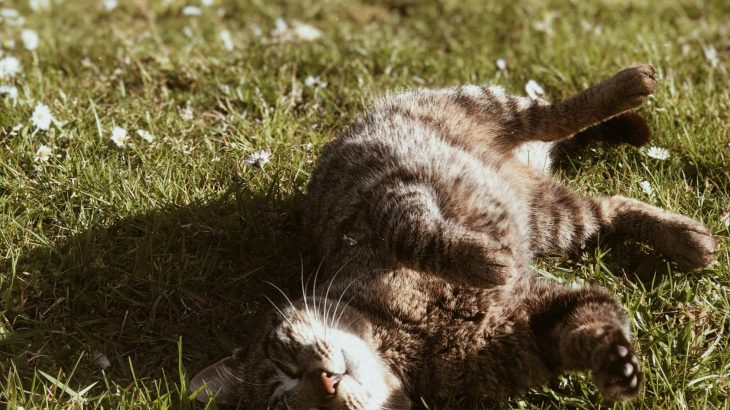
Cats tend to lean into this even more. Sunny spots become prime territory, and movement slows right down during the warmest parts of the day.

It’s less about doing more, and more about doing things at the right time.

Hydration Becomes More Important

Water is always important, but in summer it becomes essential.

Pets can lose more fluid than we realise, especially if they’re active in warm weather. A dog that’s running around the garden or out on a walk will need more frequent access to fresh water, even if they don’t immediately seem thirsty.

You might notice your pet drinking more often, or seeking out cooler areas of the house. These are small but important adjustments they make on their own.

The Hidden Risks of Warm Weather

Summer brings its own set of risks, and most of them aren’t obvious at first.

Cars heat up quickly — even on what feels like a mild day. Pavements can become uncomfortable for paws. And overexertion can happen faster than expected, especially for older dogs or breeds that are more sensitive to heat.

It’s not about avoiding summer — just understanding that it affects pets differently than it does us.

A walk that feels comfortable to you might feel much warmer to them.

Garden Time Increases

As the weather improves, pets often spend more time outdoors at home.

Dogs stretch out in the grass, cats wander further, and the garden becomes a bigger part of their daily routine again.

That’s generally a positive thing — but it’s worth making sure there’s always a shaded area available, and somewhere cool they can retreat to when they’ve had enough.

Some pets are great at regulating themselves. Others will happily stay in the sun longer than they should, simply because they’re enjoying it.

Summer Routines Can Be Less Predictable

With longer days and better weather, routines tend to loosen a bit.

Evenings stretch out. Plans change. There are more social events, more time spent away from home, and sometimes less structure than usual.

Pets notice that.

For some, it’s exciting. For others, it can feel a bit unsettled if things become too unpredictable.

Keeping a few key routines steady — feeding times, regular walks, familiar rest periods — helps balance things out.

A Word from Pet Angel Sitters

Summer is a lovely time for pets. There’s more to see, more to smell, and more time spent outdoors. But it does require a bit of adjustment.

At Pet Angel Sitters, we naturally shift with the season — walks timed around the heat, making sure pets stay hydrated, and keeping routines steady even when life gets busier.

Because when the weather changes, pets don’t need everything to change with it.

They just need a bit of awareness — and a familiar rhythm they can rely on.


An Easter Sunday Through Your Dog’s Eyes

It starts earlier than usual.

You’re not even properly awake yet, but something feels different. There’s movement in the house. The kettle goes on sooner. Doors open and close. Voices — more than usual.

Your dog lifts their head from their bed.

Something’s happening.


“Why Is Everyone Up So Early?”

Normally, mornings have a rhythm. You wake up, they stretch, maybe a slow wander into the kitchen, a bit of breakfast, a bit of calm.

Not today.

Today there’s energy. Shoes being put on. Coats moved. People talking in slightly louder voices than usual. Someone drops something in the kitchen and laughs instead of getting annoyed.

Your dog watches all of this carefully.

Tail wagging, but cautious.

This is not a normal Sunday.


The Smell Situation

Then it starts.

The smells.

First, it’s something small — toast, maybe. Then something richer. Something roasting. Something that takes over the entire house.

Your dog’s nose goes into overdrive.

They follow it from room to room. Kitchen. Hall. Back to the kitchen again, just to double-check.

It’s not just one smell either. It’s layers of it. Meat, butter, something sweet, something baked.

And then… chocolate.

Now, your dog doesn’t know the word “Easter.” But they know food. And whatever this is, it’s serious.

They sit. Quietly at first.

Then closer.

Then right beside you, just in case you’ve somehow forgotten they exist.


“I Am Being Extremely Good Right Now”

Your dog enters what can only be described as performance mode.

They sit perfectly.
They look up at you.
They blink slowly, as if to say, “I am calm. I am patient. I deserve everything.”

Someone drops a crumb.

It’s gone before it hits the floor.

No one saw it.

Except your dog, who is now fully committed to their role as Official Food Supervisor.


The Door Never Stops Opening

At some point, people start arriving.

The doorbell rings.
Knocks.
Voices.
More smells.

Your dog is delighted. This is their kind of day.

Every person who walks in is greeted like a long-lost hero returning from battle. Tails wagging. Circles being run. Maybe a bit of jumping (which you immediately apologise for).

Coats get sniffed. Bags get investigated. Someone inevitably says, “Ah sure he’s only saying hello!”

Your dog agrees.

They are saying hello.

To everyone.

Repeatedly.


The Garden Becomes Very Interesting

At some stage, the door to the garden opens.

This is where things get really confusing.

There are people outside. Kids running around. Strange colourful objects appearing in the grass. Small humans shouting about “eggs” and pointing at bushes.

Your dog is absolutely certain of one thing:

This is a game.

They run out to join in.

Sniffing everything. Checking every corner. Trying to figure out why everyone is excited about objects that look suspiciously like toys but are apparently not for them.

One gets dropped.

They move in quickly.

It smells amazing.

They are stopped just in time.

This feels deeply unfair.


“Why Can’t I Have That?”

Back inside, the main event begins.

Plates. Food. People sitting down. The smell now at full strength.

Your dog takes up position.

Strategically placed between the table and the kitchen.

Not too obvious. Not too far away.

They try eye contact with multiple people. Someone will crack. Someone always does.

But today, things are stricter.

“There’s chocolate there.”
“Don’t give him that.”
“No scraps yet.”

Your dog hears none of this.

They only see food.

And hope.


The Quiet Moment After

Eventually, things slow down.

Plates are cleared. Conversations soften. People sit back. Some move to the sofa. Others step outside for air.

Your dog, who has been on high alert for most of the day, finally settles.

They curl up in a spot where they can still see everything, just in case something exciting happens again.

But for now, the house feels calmer.

The smells linger, but the energy drops.

It’s warm. It’s full. It feels safe again.


“That Was a Good Day”

Later, when the last guest leaves and the door finally stays shut, your dog does one final check of the house.

Kitchen.
Sitting room.
Hall.

Everything is back where it should be.

They circle their bed a few times and lie down with a heavy sigh.

A proper one.

The kind that says, “That was a lot… but I enjoyed it.”


A Little Reminder from Pet Angel Sitters

Days like Easter are full of excitement for pets — new smells, new people, new routines. Most of it is positive, but it can also be a bit overwhelming without us realising.

From chocolate within reach to doors left open, it’s worth keeping one eye on things while the day unfolds.

At Pet Angel Sitters, we know how much pets pick up on these busy moments. Whether it’s keeping routines steady or giving them a bit of calm in the middle of the chaos, a little awareness goes a long way.

Because while Easter might be about chocolate and celebrations for us, for your dog…

…it’s about smells, people, and hoping — just hoping — something falls on the floor.


Tick Prevention for Spring Walks

Spring brings lighter evenings, greener fields, and longer walks — all welcome after winter. But as the temperature creeps up, something else quietly returns too.

Ticks.

They’re small, easy to miss, and far more common in Ireland than many people realise. And while most walks pass without issue, spring is when tick activity really starts to increase.

The good news is that prevention is straightforward once you know what to look out for.


Why Spring Is Prime Tick Season

Ticks thrive in mild, damp conditions — which, let’s face it, describes much of an Irish spring. As the weather warms, they become more active, especially in long grass, woodland edges, hedgerows, and rural paths.

They don’t jump or fly. Instead, they wait. Perched on grass or low vegetation, they latch onto passing animals as they brush by.

Dogs are ideal hosts because they explore exactly those kinds of areas — noses low, bodies weaving through undergrowth.


Where Ticks Tend to Hide

After a walk through grass or countryside trails, ticks usually attach in warm, hidden spots. You’re most likely to find them:

  • Around the ears

  • Under the collar

  • Between the toes

  • In the armpit area

  • Around the groin

  • Along the neck

They can be tiny at first — no bigger than a freckle. As they feed, they swell and become more noticeable.

It sounds unpleasant, but early detection makes a huge difference.


Why Tick Checks Matter

Most tick bites don’t cause serious harm. But some ticks can carry diseases, including Lyme disease, which can affect both dogs and humans.

Signs of a tick-borne illness can include lethargy, lameness, fever, or loss of appetite — often appearing days or even weeks after a bite.

That’s why simple habit changes matter. A quick check after spring walks can prevent complications later.

It doesn’t need to be dramatic. Just part of the routine, like wiping muddy paws.


Removing a Tick Safely

If you do find a tick attached, it’s important to remove it properly. Twisting or squeezing can increase the risk of leaving parts behind.

A proper tick removal tool (available from most vets or pet shops) allows you to gently twist and lift the tick out cleanly. If you’re unsure or uncomfortable doing it yourself, your vet will happily help.

The key is to remove it as soon as possible after spotting it.


Preventative Treatments

There are several preventative options available through your vet, including spot-on treatments, tablets, and collars designed to repel or kill ticks.

The right choice depends on your dog’s lifestyle. A rural dog running through fields daily may need more robust protection than a city dog sticking mostly to paved parks.

It’s always worth having a quick conversation with your vet in early spring to make sure your dog’s protection is up to date.


Adjusting Walk Habits

You don’t need to avoid nature altogether — that would defeat the whole point of spring walks. But small adjustments can reduce risk.

Sticking to the centre of well-maintained paths rather than brushing through long grass helps. Keeping fur trimmed slightly shorter around the legs and belly can also make ticks easier to spot.

And once home, a brief once-over while your dog settles — ears, neck, belly — becomes second nature quickly.


Don’t Forget About Yourself

Ticks don’t only attach to dogs. If you’ve been walking through long grass or wooded areas, it’s wise to check yourself too.

Spring walks are meant to be enjoyable. Awareness protects both you and your pet.


A Balanced Approach

It’s easy to let worry take over once you hear about ticks. But most dogs walk through spring and summer without issue.

The goal isn’t fear — it’s routine awareness.

A preventative treatment in place. A quick check after countryside walks. Prompt removal if needed.

That’s usually enough.


A Word from Pet Angel Sitters

Spring is one of our favourite times to walk dogs. The air feels fresher, the evenings stretch longer, and there’s a visible lift in energy.

We build tick checks naturally into our routine during countryside walks, especially in grassy or rural areas. It’s just part of seasonal awareness — no fuss, no drama.

With the right precautions, spring walks can stay exactly what they should be: enjoyable, energising, and safe.


When Spring Excitement Turns Into Lead Pulling

You’ve barely made it out the gate and already your shoulder’s being pulled out of its socket.

The evenings are brighter, the air feels lighter, and your dog has decided that every walk is now an Olympic event. What used to be a steady winter plod has turned into lunging, zig-zagging, and a sudden inability to remember how a lead works.

If your dog’s lead manners seem to have vanished with the first sign of sunshine, you’re not alone.

Spring changes everything — especially for dogs.


The Nose Knows

During winter, scents are muted. Cold air doesn’t carry smells the same way, and there’s simply less going on outdoors. Then spring arrives and it’s like someone’s turned the scent dial up to full blast.

Fresh grass. New flowers. Other dogs marking territory more often. Wildlife moving again. Even soil smells stronger when it’s warming up.

Your dog isn’t trying to ignore you — they’re trying to process a flood of information. That pulling often isn’t defiance. It’s sensory overload mixed with excitement.


More Movement, More Distraction

Spring means more people in parks, more children playing, more dogs out socialising. Even birds and small animals are busier.

For a dog, that’s a lot of visual stimulation. Movement naturally triggers attention. Attention triggers pulling.

They spot something interesting and instinct takes over before training has a chance to catch up.

It’s not that they’ve forgotten their manners. It’s that the environment suddenly became much more interesting than you.


Energy Levels Shift

After a long winter of darker, shorter walks, many dogs simply have more energy stored up. Warmer weather and longer days naturally encourage activity.

If walks are suddenly longer or more frequent, some dogs respond by getting more wound up rather than calmer. That excitement spills out through the lead.

You might even notice it before the walk starts — pacing when you pick up the lead, spinning in circles, barking at the door.

That buzz doesn’t magically disappear once you step outside.


Why Yanking Back Rarely Works

When a dog pulls, the natural reaction is to pull back. Unfortunately, that often turns into a quiet tug-of-war.

Dogs have an opposition reflex — when they feel pressure, they lean into it. So the more tension in the lead, the stronger they pull.

Spring pulling is usually excitement-driven, not stubbornness. Responding with frustration can actually add to the tension they’re already feeling.


Helping Them Find Their Rhythm Again

The goal isn’t to eliminate excitement — it’s to channel it.

Slowing your pace can help. Allowing a few designated “sniff breaks” gives your dog a chance to process all those new smells without dragging you constantly.

Short bursts of loose-lead walking practice at the start of a walk can reset expectations. If they surge ahead, stopping briefly rather than pulling back often works better. Movement resumes when the lead loosens.

It can feel repetitive at first, especially when spring energy is high. But consistency matters more than perfection.

And sometimes, a slightly shorter walk that ends calmly is more productive than a long, chaotic one.


When It’s Not Just Spring

If your dog’s pulling is extreme, sudden, or accompanied by other behavioural changes, it may be worth looking deeper. Pain, discomfort, or anxiety can also affect lead behaviour.

But in most cases around this time of year, it’s simply seasonal excitement.

They’re happy. They’re stimulated. They’re thrilled the world feels alive again.

They just need a little help remembering how to walk politely through it.


A Word from Pet Angel Sitters

Every spring, we see the same thing — dogs that were perfectly manageable in February suddenly testing their lead limits in March.

It doesn’t mean training has failed. It means the environment has changed.

At Pet Angel Sitters, we adapt with them. A steadier pace. A bit more patience. A familiar routine that keeps all that enthusiasm from tipping into chaos.

Because spring excitement is a good thing — it just needs gentle direction.

And once the novelty settles, most dogs find their balance again… without dragging you down the road in the process.


Spring Energy: Why Your Dog Seems Extra Hyper

You wait all winter for brighter evenings and dry footpaths… and then spring arrives — along with a version of your dog you barely recognise.

Suddenly they’re pulling more on the lead. Barking at nothing. Zooming around the garden like they’ve had three espressos. The calm winter plod has vanished, replaced with pure chaos.

If your dog seems extra hyper in spring, you’re not imagining it. And no, they haven’t forgotten all their training overnight.

There’s a reason for it.


The World Has Switched Back On

During winter, everything slows down. Fewer smells linger in the cold air. Parks are quieter. Walks are often shorter and squeezed into dark evenings.

Then spring hits.

New scents explode into the environment — fresh grass, flowers, wildlife, other dogs out more often. For a dog, this is like someone turning the volume up on the world.

Their noses are working overtime. Their brains are processing more. That heightened stimulation often comes out as excitement — which can look a lot like hyperactivity.

They’re not being bold. They’re overwhelmed in the best possible way.


More Light Changes Behaviour

Longer days naturally affect energy levels. Just like people feel a lift when evenings stretch out, dogs respond to increased daylight too.

More light can mean:

  • More alertness

  • More desire to explore

  • More playfulness

  • Slightly less inclination to nap all afternoon

It’s biological as much as behavioural. Winter is slower. Spring encourages movement.


Less Cabin Fever, More Freedom

Some dogs spend winter slightly under-stimulated. Even with the best intentions, muddy parks, heavy rain, and dark evenings can reduce exercise or social interaction.

When spring allows for longer walks again, that pent-up energy finally gets an outlet.

The problem is, they don’t always release it calmly. It can come out as pulling, bouncing, jumping, or suddenly forgetting how to walk nicely on a lead.

Think of it as an enthusiasm spike, not a regression.


The Social Surge

Spring also means more dogs out and about. That changes the atmosphere of every walk.

Your dog might suddenly see more potential playmates, more movement, more distraction. Even confident dogs can become temporarily overexcited with all that stimulation.

If they’re lunging slightly more or barking when they spot another dog, it’s often excitement rather than aggression.

They just need a bit of help finding their balance again.


Hormones and Seasonal Shifts

For unneutered dogs, spring can bring additional behavioural changes. Warmer weather and longer days can influence hormone levels, making some dogs more restless or reactive.

Even neutered dogs can show subtle seasonal changes simply because their environment has become more stimulating.

Again, it’s not bad behaviour. It’s adjustment.


How to Help Them Channel It

The key isn’t to shut the energy down — it’s to guide it.

Slower walks where sniffing is encouraged can actually tire a dog out more effectively than fast-paced marching. Mental stimulation — short training sessions, scent games, puzzle toys — helps burn off that buzzing energy in a healthy way.

Consistency matters too. If walks suddenly double in length overnight, some dogs become overtired rather than calmer. Gradual increases work better.

And sometimes, what looks like hyperactivity is simply joy. After months of dull weather, your dog might just be delighted to be outside again.


When to Be Concerned

Most spring energy is completely normal. But if your dog’s behaviour changes dramatically — extreme restlessness, aggression, loss of appetite, or difficulty settling at night — it’s worth checking in with your vet.

In most cases, though, it’s seasonal adjustment rather than anything serious.


A Word from Pet Angel Sitters

We see it every year. The minute the light changes, dogs change too. Walks become livelier. Energy levels lift. There’s a spark that wasn’t there in January.

At Pet Angel Sitters, we adjust with them. A bit more patience on the lead. A bit more time for sniffing. A steady routine to keep all that enthusiasm from tipping into chaos.

Spring energy isn’t a problem to fix. It’s something to guide.

And once the novelty settles, most dogs find their rhythm again — just with a little extra bounce in their step.


Spring Hazards for Dogs on Walks: What to Watch For

There’s a certain lift in everyone once spring properly arrives. The evenings get brighter, jackets get lighter, and suddenly those dark winter walks don’t feel quite so grim.

For dogs, spring is like the world has been switched back on. New smells, fresh grass, more dogs out and about, birds nesting, people in gardens — it’s all very exciting.

But while spring brings longer, lovelier walks, it also brings a few seasonal risks that are easy to miss if you’re not looking out for them.


Fresh Growth — And Curious Noses

After months of bare hedges and muddy fields, spring greenery bursts back almost overnight. Dogs love investigating it all. New shoots, fallen petals, and freshly turned soil are especially tempting.

The trouble is, not everything growing in spring is dog-friendly. Wild mushrooms can pop up in damp areas. Certain bulbs — like daffodils and tulips — may have been disturbed and exposed along verges or in public green spaces. Even chewed sticks from unknown trees can sometimes cause stomach upset.

Most dogs will sniff and move on. Some will sample first and think later. If your dog has a habit of picking things up, it’s worth keeping a closer eye during spring walks when everything is new again.


The Return of Parasites

Warmer weather means fleas and ticks begin to reappear. Ticks in particular become more active in spring, especially in grassy, wooded, or rural areas.

After a walk through long grass or along country lanes, it’s a good idea to give your dog a quick once-over at home. Around the ears, under the collar, between the toes — ticks like warm, hidden spots.

It doesn’t mean you need to panic every time you see a blade of grass. Just build a simple check into your routine once spring settles in.


More Dogs, More Distractions

As the weather improves, more people head outdoors. Parks feel busier. Beaches see more activity. That’s wonderful for social dogs — but it can be overwhelming for others.

A dog that seemed perfectly calm all winter might suddenly become more reactive. Not because they’ve forgotten their training, but because there’s simply more stimulation around them.

More movement. More smells. More noise.

Taking things slowly helps. Shorter, steady walks while they adjust to the seasonal buzz can prevent overstimulation. Spring excitement is normal — it just needs a bit of guidance.


Livestock and Wildlife

Spring is also lambing season in many parts of Ireland. If you’re walking near farmland, keeping your dog on a lead isn’t just polite — it’s essential.

Even the gentlest dog can chase without meaning harm. Farmers are rightly protective of livestock at this time of year, and it’s always better to avoid any risk.

Wildlife becomes more active too. Ground-nesting birds, hedgehogs, and small mammals are all easier to stumble upon in spring. A reliable recall is invaluable, but in areas with wildlife, a lead offers peace of mind.


Warmer Days, Different Risks

Spring can be unpredictable. One day it’s cool and breezy; the next it feels almost like summer. Dogs that are used to cold winter air can overheat more quickly than expected once temperatures rise.

Fresh water on longer walks becomes more important again. Pavements, while not yet summer-hot, can warm up faster than you’d think on bright afternoons.

It’s not about avoiding warm days — it’s about adjusting to them gradually.


Chemicals and Garden Treatments

As gardens come back to life, so do weedkillers, fertilisers, and lawn treatments. Public parks and private lawns may have been recently treated, even if it’s not immediately obvious.

Dogs walking through treated grass can pick up residues on their paws, which they later lick off at home. A simple paw wipe after walks during early spring is a small habit that reduces risk.

If you notice new signage in parks about treatments, it’s worth steering clear until it’s safe again.


When to Be Concerned

Most spring walks pass without issue. But if your dog suddenly shows signs like vomiting, unusual lethargy, shaking, excessive drooling, or limping after a walk, it’s always safest to check with your vet.

Catching problems early makes a huge difference.

The key isn’t to walk in fear — it’s simply to be aware that spring changes the environment in ways that winter didn’t.


Enjoying the Season Safely

Despite the hazards, spring is one of the loveliest times of year to be out with your dog. There’s a sense of renewal in the air. Energy feels lighter. Dogs seem happier, more alert, more engaged.

With a bit of seasonal awareness — checking for ticks, keeping an eye on what’s sniffed or swallowed, and adjusting to busier parks — you can enjoy everything spring brings without worry.

At Pet Angel Sitters, spring walks are some of our favourites. The lighter evenings and fresh air make a difference to everyone. Keeping routines steady while being mindful of seasonal changes helps dogs thrive during this time of year.

Because spring should feel like freedom — not a cause for stress.


Preparing Your Garden for Pets This Spring

There’s something about the first proper dry weekend of spring that sends us all outside. Lawnmowers come back to life, garden centres get busy, and suddenly everyone’s talking about what they’re planting this year.

If you share your home with a dog or cat, though, spring gardening takes on a slightly different meaning. What looks beautiful to us can sometimes spell trouble for curious paws and noses.

The good news? You don’t need to turn your garden into a barren patch to keep pets safe. A bit of awareness goes a long way — and you can absolutely have colour, life, and a pet-friendly space all at once.


Why Spring Brings Extra Risk

After months of mud and cold, pets are often more energetic when the weather improves. Dogs want to dig, roll, sniff, and “help” with planting. Cats become more adventurous again, especially if they’ve spent winter mostly indoors.

Spring bulbs and fresh shoots are particularly tempting. They smell strong, they’re newly disturbed in the soil, and they’re easy to chew or dig up.

Unfortunately, some of the most popular spring flowers in Irish gardens can cause real harm if ingested.


Spring Flowers to Be Careful With

One of the biggest culprits in Irish gardens is the daffodil. They’re cheerful and everywhere this time of year, but every part of the plant — especially the bulb — is toxic to both dogs and cats. Even drinking water from a vase of cut daffodils can cause stomach upset.

Tulips are another common spring favourite that can cause problems. The bulbs contain the highest concentration of toxins, but chewing leaves or stems can still lead to drooling, vomiting, or diarrhoea.

Hyacinths fall into the same category. Beautiful scent, lovely colour — but the bulbs in particular can irritate your pet’s mouth and digestive system.

And for cat owners especially, lilies deserve special mention. Even small amounts — pollen on fur, a lick of a petal — can cause severe kidney damage in cats. They’re one of the most dangerous flowers to have around feline companions.

Other plants to approach cautiously include:

  • Foxgloves

  • Rhododendrons

  • Azaleas

  • Bluebells (especially the bulbs)

This doesn’t mean you can’t ever have them, but it’s worth thinking about placement and how curious your pet tends to be.


Pet-Friendly Spring Options

The good news is there are plenty of lovely, safer choices that bring colour without the worry.

Roses are generally safe for pets (thorns aside), and they thrive in Irish gardens.
Sunflowers are another cheerful option and are considered non-toxic.
Snapdragons add height and colour without posing a major risk.
Marigolds are widely regarded as pet-friendly and can even help deter pests.
Camellias and fuchsias are also typically safe choices for a spring garden.

Herbs can be a great addition too. Rosemary, thyme, and basil are generally safe for pets and add a lovely scent to the garden.

Of course, “safe” doesn’t mean “edible in large quantities,” but these plants are far less likely to cause serious issues if nibbled.


Rethinking Garden Layout with Pets in Mind

Spring is the perfect time to look at your garden with fresh eyes. If you know your dog is a digger, consider raised beds or defined planting areas. If your cat roams freely, avoid placing delicate or potentially harmful plants along their usual paths.

Creating a dedicated patch where your dog can dig freely can save the rest of your flower beds. Some owners even designate a small “dog corner” with hardy grass or sand to satisfy that instinct.

Paths matter too. Pets tend to follow the same routes repeatedly. Observing where they naturally walk can help you avoid planting anything fragile — or questionable — in those areas.


Fertilisers, Slug Pellets and Chemicals

Plants aren’t the only concern in spring. Garden treatments can pose a much bigger risk than flowers themselves.

Slug pellets are particularly dangerous. Traditional varieties can be highly toxic to dogs. If you use them at all, opt for pet-safe versions and store them well out of reach.

Fertilisers and lawn feed products can also cause stomach upset or worse if licked off paws. After applying any treatment, it’s wise to keep pets off the treated area until it’s fully dry or absorbed.

Even compost can attract dogs due to its strong smell, and certain moulds within compost heaps can be harmful. Keeping compost contained and inaccessible is a sensible precaution.


The Joy of a Pet-Friendly Garden

A safe garden doesn’t mean a dull one. In fact, many pets benefit hugely from having a secure outdoor space where they can explore safely.

Spring brings natural stimulation — birds, insects, fresh scents — and that enrichment is valuable. Dogs burn mental energy simply by sniffing new growth. Cats enjoy watching movement and feeling sunshine on their backs.

A little planning now means you can relax later, knowing that your garden is as safe as it is beautiful.


When to Worry

If your pet chews a plant and then shows signs like vomiting, excessive drooling, lethargy, shaking, or loss of appetite, it’s always best to ring your vet for advice. Even if you’re unsure what they ate, describing the plant can help.

Most incidents are mild, especially if caught early. The key is simply awareness rather than panic.


A Spring Reminder from Pet Angel Sitters

Spring should feel like a fresh start — for you and for your pets. With a bit of thought about what goes into your soil and along your borders, your garden can be a safe, welcoming place for everyone.

And if you’re heading away during the brighter months, or simply spending more time out and about, Pet Angel Sitters are here to make sure your pets enjoy the season safely — whether that’s garden playtime, regular walks, or keeping routines steady while everything else is in bloom.

Because nothing says spring like a content pet enjoying the sunshine in a space that’s made with them in mind.


When Spring Finally Arrives: What the Change in Season Means for Your Pet

There’s always a moment when you notice it. The evenings are stretching a little longer. There’s a softness in the air. The first daffodils appear along the road. After months of grey skies and wet mornings, spring quietly arrives.

And our pets notice it too.

You might see it in the way your dog lingers a little longer on a walk, nose to the ground as if the whole world smells new again. Or in the way your cat starts spending more time by the back door, eyeing up the garden like it’s calling them back.

Spring doesn’t just change the weather — it changes energy.


More Light, More Life

After a long winter indoors, the extra daylight feels like a small gift. Walks don’t have to be squeezed into darkness anymore. There’s time to wander without rushing. Dogs often seem a bit more animated, a bit more eager to explore.

Cats, too, become more curious as the world outside comes back to life. Birds return. Insects reappear. The garden feels interesting again.

You might notice your pet moving more, playing more, even sleeping a little differently. That’s completely normal. Longer days naturally encourage activity.


The Great Spring Clean (Whether You Planned It or Not)

Spring has a way of revealing everything winter left behind — especially fur.

As temperatures rise, many pets start shedding their thicker winter coats. You’ll find it on the sofa, your clothes, and somehow floating through the air no matter how often you hoover.

Regular brushing helps, not just for your floors but for your pet’s comfort too. It removes loose fur and keeps skin healthy as the seasons shift.

And for older pets, the milder weather can bring relief. Joints often feel less stiff when the damp winter chill lifts. You might see a little more bounce in their step.


New Smells, New Distractions

Spring walks can feel very different from winter ones. There are more people about, more dogs out and about, more movement everywhere. It’s exciting — but it can also be overstimulating for some pets.

A dog that seemed calm all winter might suddenly pull more on the lead or seem distracted. A cat who was content indoors might become determined to roam further.

It’s not regression. It’s curiosity.

Sticking to familiar routes while letting them explore at their own pace helps keep things balanced. Spring is about gradual change, not a sudden rush.


Watching for Seasonal Hazards

As much as spring is welcome, it brings its own little risks. Garden chemicals, freshly planted bulbs, and even certain spring flowers can cause problems if chewed. Warmer weather also means fleas and ticks begin to reappear.

It doesn’t need to be a worry — just something to stay aware of as outdoor time increases again.


The Return of Routine

Spring often feels like a reset. Work schedules shift slightly, children spend more time outdoors, and the general mood lifts.

For pets, the key is keeping that return to busier days steady. If walks get longer again or time outside increases, easing into it helps avoid overtiredness or overwhelm.

And if your own schedule becomes fuller as the weather improves, making sure your pet’s care stays consistent matters more than ever.

At Pet Angel Sitters, spring is one of the loveliest times to work with animals. You can see the change in them — the lighter steps, the renewed interest in the world. Keeping their routine familiar while they rediscover the outdoors helps them thrive during this seasonal shift.


A Season of Small Joys

Spring doesn’t arrive all at once. It creeps in, bit by bit. A brighter evening here. A dry afternoon there.

Our pets respond the same way. A slightly longer walk. A few more minutes outside. A playful burst of energy in the garden.

After the stillness of winter, there’s something quietly hopeful about it.

And as the days stretch out ahead, it’s a reminder that change doesn’t have to be dramatic. Sometimes it’s just a gentle nudge toward lighter evenings, warmer air, and paws moving a little more freely again.


Why January Is the Hardest Month for Some Pets

Why January Is the Hardest Month for Some Pets

January can feel long. The lights are down, the evenings are dark again, and the buzz of Christmas has been replaced with quiet houses and early nights. While most of us expect that post-holiday slump, it’s easy to forget that our pets feel the shift too — sometimes more than we realise.

For some animals, January is actually one of the most difficult months of the year.


The Sudden Change After Christmas

December is rarely calm. There are visitors calling in and out, different voices in the house, later nights, and routines that slip without anyone really noticing. Pets adapt as best they can, but they don’t always understand why everything suddenly feels different.

Then January arrives, and just as suddenly, it all stops.

The house is quieter. People are back at work. Walks happen at different times again. The energy drops. For pets that thrive on familiarity and connection, that sudden shift can feel unsettling rather than relaxing.


Less Light, Less Stimulation

January can feel very quiet for pets. There’s less daylight, fewer long walks, and far more time spent indoors staring at the same four walls.

Dogs that are used to being out and about might seem restless or out of sorts. Cats that usually roam can become needier or unusually sleepy. It’s not that anything’s wrong — it’s simply a response to winter slowing everything down.


When Routine Feels Too Quiet

After the noise and movement of Christmas, January can feel empty. Pets that enjoyed the company — even if it was chaotic — may suddenly find themselves alone for longer stretches again.

This is often when owners notice subtle changes. A dog waiting by the door more than usual. A cat following people from room to room. A general sense that something feels “off,” even if nothing obvious has changed.

These aren’t behavioural issues. They’re signs of adjustment.


Older Pets and Sensitive Animals Feel It Most

Senior pets, nervous animals, and pets with health issues often feel winter more deeply. Cold weather can affect joints and mobility. Dark evenings can disrupt sleep patterns. Reduced activity can make stiffness or anxiety worse.

These pets don’t always demand attention — they simply slow down, withdraw a little, or become more dependent on familiar comforts. Without steady routines and reassurance, January can feel particularly heavy for them.


The Pressure to Bounce Back

January often comes with a strange expectation that everything should snap back into place straight away. Back to work. Back to normal. Back to productivity.

Pets don’t work like that.

They need time to settle, just like we do. They need repetition, familiarity, and patience while the rhythm of daily life finds its feet again. Pushing too much change too quickly can leave them unsettled rather than energised.


Familiar Care Makes a Real Difference

This is where consistency matters most. Familiar walking routes, familiar voices, familiar handling. When the rest of the world feels quieter and colder, those steady touchpoints help pets feel secure.

We often see pets relax noticeably when their routine stays the same — even if their owners’ schedules change. Knowing what to expect, and who to expect, builds confidence during a time of year that can otherwise feel flat.

At Pet Angel Sitters, January is often one of the months where our presence matters most — not because pets are in crisis, but because they benefit from calm, reliable care when everything else has shifted.


Letting January Be What It Is

January doesn’t need fixing. For pets, it’s a time to rest, reset, and ease back into balance.

A slower walk. A warm bed. Regular meals. Quiet company. These simple things go a long way in helping animals feel grounded again after the festive whirlwind.

If your pet seems a bit quieter or needier this time of year, it’s not a problem to solve — it’s just part of the season.


A Thought from Pet Angel Sitters

Some pets breeze through January. Others find it tougher. What matters is noticing the difference and responding with patience rather than pressure.

With steady routines, familiar care, and a little extra understanding, most pets settle back into themselves as the year unfolds.

And if January brings longer workdays or changing schedules, Pet Angel Sitters are here to make sure your pet’s world stays calm, predictable, and comforting — right when they need it most.