A Fresh Start: Helping Pets Settle Back Into Routine After Christmas

The decorations are down, the house is quieter, and January has a very different feel to December. For many of us, it’s a relief to get back into some sort of routine — and our pets feel exactly the same way.

While Christmas is full of excitement for people, it can be a strange and unsettling time for animals. Late nights, visitors coming and going, different feeding times, missed walks, and a general sense of disruption can leave pets feeling a bit out of sorts once everything suddenly stops.

January is the perfect time to gently reset.

When the Festive Bubble Bursts

Pets thrive on predictability. They like knowing when dinner is coming, when the walk usually happens, and when it’s time to curl up for the night. Christmas tends to throw all of that out the window.

You might notice that in early January your dog seems extra clingy, a bit sluggish on walks, or unsettled in the evenings. Cats may hide more than usual, sleep in odd places, or seem generally grumpy. These aren’t behavioural problems — they’re signs your pet is adjusting back to normal life.

Just like us, they’re recalibrating.

The Comfort of Familiar Patterns

What most pets want in January isn’t anything fancy — they just want things to feel normal again. Back to the usual feeding times, the same walk routes, the same bedtime routine. All those small, ordinary habits help them relax and settle after the disruption of Christmas

Even small rituals matter. The same morning greeting. The usual spot where the lead is kept. The familiar sound of food bowls being filled. These cues tell your pet that things are steady and safe again.

Pets don’t need grand resolutions — they just need reassurance.

Taking Things at Their Pace

After a busy December, some pets need time to build their energy back up. Dogs might take a little longer to warm up on walks, especially in the cold. Cats may spend a few extra hours snoozing, conserving energy and enjoying the quieter house.

That’s perfectly fine.

January isn’t about forcing activity or change. It’s about easing back into rhythm. A gentle walk is just as valuable as a long one. A few minutes of calm play can be more beneficial than overstimulation.

When Winter Still Feels Heavy

Short days and long nights can affect pets too. Less daylight often means less exercise, fewer outdoor adventures, and more time indoors. Some animals handle this easily; others feel the change more deeply.

You may notice restlessness, boredom, or mild anxiety. This is where steady routines really help. Knowing what to expect — and when — gives pets a sense of control during a time of year that can otherwise feel flat and grey.

The Role of Familiar Care

January is also when life ramps up again for people. Work routines return, kids go back to school, and days can suddenly feel very long.

For pets, having a familiar face during the day can make all the difference. Someone who walks the same route, feeds them the way they’re used to, and understands their little quirks helps keep their world feeling normal.

At Pet Angel Sitters, we often see how much calmer pets are when their routine stays the same — even when everything else around them changes. Familiar care brings confidence, especially at this time of year.

Letting the New Year Be Gentle

There’s a lot of pressure in January to improve, reset, and do more. Pets don’t buy into that at all. They remind us that it’s okay to move slowly, stick to what works, and find comfort in the familiar.

For animals, a “fresh start” doesn’t mean change — it means returning to balance.

A warm bed, a predictable walk, a calm home, and people they trust. That’s more than enough to help them settle into the year ahead.

A New Year Thought from Pet Angel Sitters

If your pet seems a little off after the holidays, don’t worry — it’s completely normal. With patience, routine, and a bit of extra understanding, they’ll find their feet again.

And if January brings new schedules or longer days away from home, Pet Angel Sitters are here to make sure your pet’s routine stays steady, familiar, and comforting — right when they need it most.

Because sometimes, the best way to start the New Year is by simply getting back to what feels right.

Pets and Christmas: How to Survive the Festive Season Together

Christmas is a lovely time of year. The lights go up, the house smells like dinner from mid-morning, and there’s always someone calling in “just for a quick one”.

For pets though, it can be a very confusing few weeks. Suddenly their quiet house is full of people, strange noises, unfamiliar smells, and routines that go out the window completely. It’s no wonder some pets spend half of December wondering what on earth is going on.

The good news is that with a bit of awareness (and a bit of patience), you can help your pets get through the festive season without too much stress — and maybe even enjoy it.


When the House Gets Busy

One of the biggest changes for pets at Christmas is the constant activity. Doors opening and closing, kids running about, visitors arriving with bags and coats — it can all feel a bit much.

Dogs might get overexcited or anxious, hovering around guests or barking at every sound. Cats often take the opposite approach and disappear entirely, only emerging once the coast is clear. Neither reaction is bad behaviour — it’s just their way of coping with the disruption.

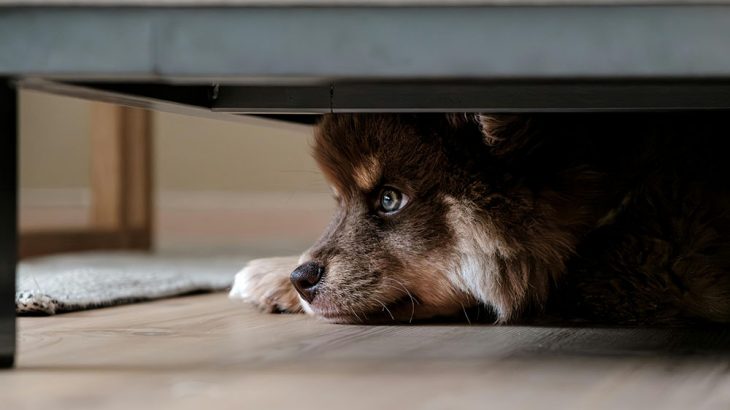
Giving your pet a quiet space to retreat to can make a world of difference. A back room, a cosy bed under the stairs, or even just their usual spot with the door closed can help them feel like they still have somewhere that’s “theirs”.


Decorations, Trees and Temptation

Christmas decorations are great fun — unless you’re a pet, in which case they look like toys, snacks, or something to climb.

Tinsel, baubles, fairy lights and tree water can all cause problems if chewed or swallowed. Cats are especially fond of anything that dangles, while dogs rarely say no to something new on the floor.

If you can, keep decorations higher up, avoid glass ornaments near ground level, and unplug lights when you’re not around. It might not look like the magazine photos, but it’ll save you a panicked trip to the vet.


Food, Glorious Food (But Not for Pets)

Christmas food is another big one. Between chocolates, mince pies, stuffing, gravy, ham, turkey bones and leftovers, there are plenty of things that smell amazing to pets but can make them seriously ill.

Dogs in particular have a talent for appearing out of nowhere the second food is unattended. Cats may be fussier, but even they can be tempted by rich smells they don’t usually encounter.

It’s worth reminding visitors — gently — not to feed pets from the table, no matter how convincing the begging looks. A few extra treats made for pets are fine, but human food is best kept well out of reach.


Noise, Bells and Sudden Excitement

Between doorbells, music, laughter and the odd raised voice during board games, Christmas can be noisy. Some pets take it in their stride; others find it overwhelming.

If your pet seems unsettled, putting on some soft background noise in their quiet space can help. A radio or TV at a low volume can mask sudden sounds and help them relax.

It’s also okay to limit interactions. Pets don’t need to meet everyone, and they certainly don’t need to be passed around like part of the entertainment. Let them choose when — or if — they want to join in.


Trying to Keep a Bit of Routine

One of the best things you can do for pets at Christmas is keep parts of their normal routine going. Feeding times, walks, medication, and bedtime rituals all help ground them when everything else feels different.

Even small things — like a familiar walk route or a quiet cuddle before bed — can help your pet feel secure during a busy period.

And if you’re heading away, working longer hours, or hosting a house full of people, having someone reliable step in can be a huge relief. Pets cope far better when familiar routines continue, even if their favourite humans are temporarily distracted.


When Christmas Is Over

You might notice your pet is extra tired, clingy, or even a bit off once the festivities wind down. That’s normal. Christmas can be exhausting for them too.

A few calm days, regular walks, and returning to normal schedules usually bring everything back to balance. Just like us, they sometimes need a breather after all the excitement.


A Christmas Thought from Pet Angel Sitters

Christmas doesn’t have to be perfect — for people or pets. What matters most is that your animals feel safe, comfortable, and cared for while the madness unfolds around them.

Whether you’re heading out for a few hours, away for a few days, or just need a helping hand during the busy season, Pet Angel Sitters are here to make sure your pets enjoy a calm, cosy Christmas too.

Because for them, the best part of the season isn’t the decorations or the dinner — it’s knowing they’re loved and looked after, no matter what time of year it is.


Keeping Pets Calm During Fireworks: A Halloween Survival Guide

Halloween in Ireland has grown into a full-blown festival — fireworks, bonfires, bangers, and doorbells going non-stop. While it’s all great craic for people, it can be a pretty miserable night for pets.

Dogs and cats have far sharper hearing than we do, so the bangs, whistles, and flashing lights can leave them terrified. Some will shake, hide, or bark the house down; others might bolt through an open door or window.

The good news is there’s plenty you can do to help your pet feel safe, even on the noisiest of nights.

1. Create a Safe, Quiet Space

Before the fireworks start, set up a little “den” for your pet — somewhere cosy and familiar where they can retreat when the noise kicks off.

It might be:

  • A crate or corner covered with a blanket.

  • A bed tucked under the stairs.

  • Even a quiet room at the back of the house, away from windows.

Pop in some of their favourite toys, a few treats, and maybe one of your jumpers for comfort. Keep curtains closed to muffle the flashes, and leave the TV or radio on low in the background to drown out the bangs.

If you’ve more than one pet, make sure each has their own space so they can settle separately if needed.

2. Close Up the House

It sounds simple, but it makes a big difference. Before dark:

  • Shut all windows and doors.

  • Draw the curtains.

  • Make sure cat flaps are locked.

  • Keep your pets inside, even if they’re normally outdoors in the evening.

Every year, lost-pet notices flood social media after Halloween. Even the calmest pet can take fright and bolt — so double-check collars, ID tags, and microchip details are up to date just in case.

3. Stay Calm Yourself

Pets take their cues from us. If you’re fussing or reacting to every bang, they’ll pick up on it. Try to act as if nothing’s wrong. Speak softly, move normally, and don’t over-comfort your pet.

It’s tempting to hug or coddle them, but too much attention can confirm that “yes, something scary is happening.” Instead, sit nearby, maybe offer a treat if they’re calm, and keep your own energy relaxed.

4. Tire Them Out Early in the Day

If you’ve a dog, give them a longer walk earlier in the afternoon before the fireworks start. A good play session helps burn off nervous energy so they’re more likely to rest in the evening.

Same goes for cats — interactive play before dusk can help them settle later. Once the sun sets, keep them indoors until the following morning.

5. Background Noise Helps

TV, radio, or a music playlist can mask a lot of the loud bangs outside. There are even pet-friendly playlists on Spotify designed to calm anxious animals. Choose something steady and soothing — classical or soft acoustic music works well.

If your pet has a favourite TV channel (yes, “Dog TV” is a thing now!), that can distract them too.

6. Try Calming Aids

If your pet is particularly sensitive, talk to your vet about calming options. There are several over-the-counter products that can help, such as:

  • Pheromone diffusers (like Adaptil for dogs or Feliway for cats) that release comforting scents.

  • Calming supplements with ingredients like L-theanine or chamomile.

  • Weighted blankets or “anxiety wraps” that apply gentle pressure and help some pets relax.

Always check with your vet first — especially if your pet is on medication or has a medical condition.

7. Distract with Positive Things

For dogs, stuff a Kong with peanut butter, kibble, or soft treats to keep them busy. Long-lasting chews work great too. Cats might enjoy a puzzle feeder or a bit of catnip to keep their minds off the racket.

The idea is to turn the evening into something positive — fireworks = tasty snacks and comfy vibes.

8. Don’t Punish Fearful Behaviour

If your pet hides, trembles, or refuses to eat, don’t scold or drag them out of hiding. Fear is instinctive — telling them off will only make it worse. Just make sure they have a safe spot and let them come out in their own time once the noise settles down.

If they make a mess or scratch the door, clean it up quietly and move on. They’re not being bold — they’re scared.

9. Plan Ahead for Walks and Toilet Breaks

If you live in an area where fireworks are common around Halloween, try to walk dogs earlier in the day all week long, not just on the 31st. By evening, fireworks often start before it’s even dark, so plan toilet breaks before dusk.

For nervous dogs, a lead and secure harness are essential — even a small bang can make them bolt.

10. When to Get Professional Help

If your pet’s fear seems extreme — shaking, drooling, destroying furniture, or refusing to eat for days — it’s worth chatting with your vet or a qualified animal behaviourist. Sometimes, with training and desensitisation, the fear can be reduced over time.

A Quick Halloween Safety Reminder

While you’re at it, keep these extra Halloween hazards in mind:

  • No chocolate or sweets — they’re toxic to pets.

  • Keep candles and pumpkins well out of reach.

  • Avoid dressing pets in tight or uncomfortable costumes.

  • Keep them away from open doors when trick-or-treaters call.

Final Word from Pet Angel Sitters

Halloween should be fun — not frightening — for everyone in the family, paws included. With a bit of planning, you can help your pets stay calm, cosy, and safe while the fireworks fly outside.

And if you’re heading out for the night or away for the weekend, Pet Angel Sitters are here to make sure your pets are looked after by people who understand how stressful this time of year can be for them.