

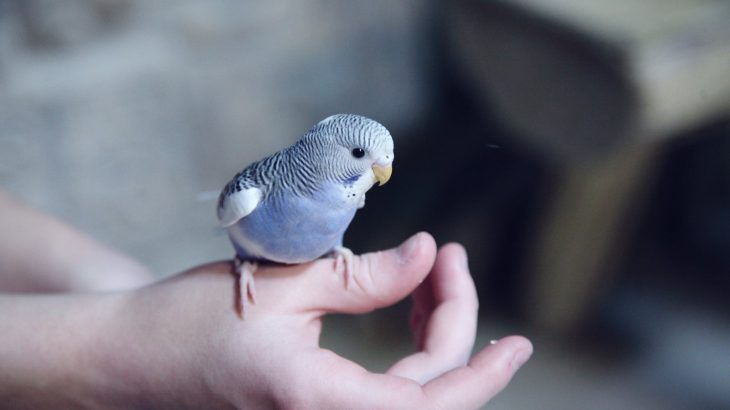
Companion birds like budgies, canaries, and cockatiels bring so much life and chatter to a home, but they’re also more delicate than they look, and the change of season asks a little of their owners. As autumn draws in across Ireland, with its cooler air, shorter days, and the heating going back on, your feathered friend’s needs shift. A few thoughtful adjustments will keep them bright, healthy, and singing through the darker months.
Here’s what to think about for your bird as the season turns.
Draughts are the enemy
If there’s one thing pet birds truly cannot abide, it’s a draught. Birds are very sensitive to sudden temperature changes and cold air, and a draughty spot can quickly make them unwell. As autumn brings gustier, colder weather, check where the cage sits. Keep it away from draughty windows, external doors, and anywhere cold air sneaks through. A consistent, comfortable room temperature suits them best.
At the same time, don’t place the cage right next to a radiator or fire, as the dry heat and sudden warmth aren’t good for them either. Steady and moderate is the goal.
The trouble with shorter days
Birds are highly attuned to light, and the shortening autumn days can affect their mood, behaviour, and even their moulting cycle. Most companion birds do well with a consistent daily rhythm of light and dark, roughly ten to twelve hours of darkness for proper rest. As natural daylight dwindles, be mindful of their light exposure. Covering the cage at night helps give them a proper, undisturbed sleep, which matters more than people think for a bird’s health and temperament.
Some owners use full-spectrum bird lighting to supplement the short winter days, which can help maintain their wellbeing, though it’s worth researching your particular species’ needs.
Moulting and nutrition
Many birds moult as the seasons change, dropping old feathers and growing new ones. It’s a demanding process that takes a lot out of them, so autumn is a time when good nutrition really counts. A varied, quality diet appropriate to your species, not just a seed-only diet, helps them grow strong new feathers and stay healthy. Fresh water daily, and the right supplements if your vet recommends them, all support them through the moult.
A moulting bird can be a bit grumpy or quiet, which is normal, but a bird that seems truly unwell, is losing feathers in patches, or has bald spots should see an avian vet.
Keep them stimulated indoors
With less daylight and more time spent indoors, boredom can set in. Birds are intelligent, social creatures who need mental stimulation and company. Keep a good variety of toys, rotate them to keep things interesting, and make time for interaction and out-of-cage time in a safe room. A bored bird can develop unwanted habits like feather-plucking, so keeping them engaged through the long autumn evenings is well worth the effort.
Frequently Asked Questions
Why is my bird losing feathers in autumn?
Most likely a seasonal moult, which is completely normal, birds shed old feathers and grow new ones as the season changes. Support them with good nutrition. But patchy bald spots or a bird that seems unwell warrants a vet visit.
How cold is too cold for a pet bird?
It depends on the species, but most companion birds are comfortable in normal room temperatures and dislike sudden drops and draughts far more than steady mild cool. Keep them out of draughts and away from cold windows.
Should I cover my bird’s cage at night?
Covering the cage helps provide the consistent darkness birds need for proper rest, around ten to twelve hours, which becomes especially useful as autumn evenings draw in and household light patterns change.
Do birds need special lighting in winter?
Some owners use full-spectrum avian lighting to make up for short winter days, which can support a bird’s wellbeing. It’s worth checking your specific species’ needs, as requirements vary.
Let us help
Birds need consistent, knowledgeable care, and not every sitter understands them. We do. Our bird minding service keeps your feathered friend warm, fed, and content in their own familiar home while you’re away. Explore our full range of services or get in touch for a chat about your bird’s needs.