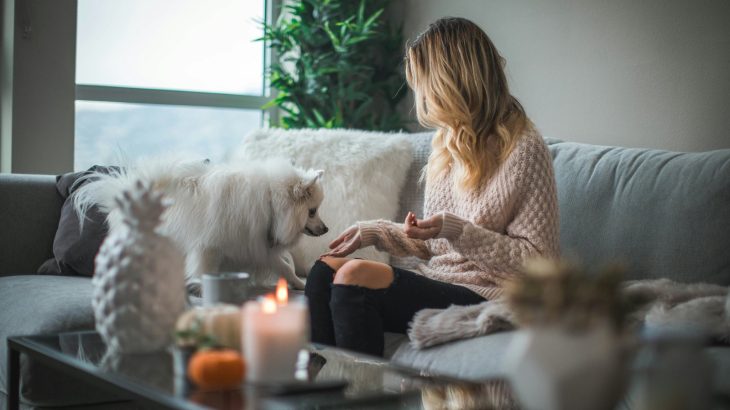
Woman relaxing on a sofa with a small white dog in a cosy autumn setting

Halloween and Your Pets: Keeping the Spookiest Night Stress-Free

Halloween is great craic for us, but for our pets it can be one of the more bewildering and even hazardous nights of the year. We’ve written before about keeping pets calm during fireworks, which are a big part of the season here in Ireland. But there’s more to Halloween than bangs and flashes, the costumes, the callers at the door, and above all the mountains of sweets all bring their own risks. Here’s how to keep the spookiest night stress-free for your furry family members.


The doorbell that never stops

For a dog or cat, a constant stream of strangers in strange outfits appearing at the door can be genuinely unsettling. The repeated knocking or ringing, the excited voices, the door opening and closing, it’s a lot. And there’s a real safety angle too: with the door opening again and again, a frightened pet can bolt out into the dark night and become lost, exactly when the streets are busy and chaotic.

The simplest solution is to keep pets in a separate, quiet room away from the front door for the evening, with the curtains drawn to soften the flashing lights and comings and goings outside. Make sure they’re microchipped and wearing an ID tag too, just in case. A safe, cosy space where they can’t dash out is the kindest thing you can offer on the night.

Sweets are a serious hazard

This is the big one. Halloween means sweets everywhere, and many are genuinely dangerous to pets. Chocolate is toxic to both dogs and cats, and the darker it is, the more dangerous. Xylitol, a sweetener found in many sugar-free sweets and gums, is extremely poisonous to dogs even in tiny amounts. Raisins, in some treats, are toxic too. And the wrappers themselves can cause dangerous blockages if swallowed.

Keep all sweets well out of reach, and have a word with the children about not sharing their haul with the pets, no matter how much those big eyes beg. If you think your pet has eaten chocolate, xylitol, or anything suspect, ring your vet straight away, don’t wait for symptoms.

Costumes: only if they enjoy it

A pet in a Halloween costume can be adorable, but not every animal enjoys being dressed up, and for many it’s stressful and restrictive. If you do fancy a costume, make sure it doesn’t restrict movement, breathing, sight, or hearing, has nothing they could chew off and swallow, and isn’t too tight or too warm. And read your pet, if they freeze, try to wriggle out of it, or seem miserable, skip it. Their comfort matters more than a photo.

Decorations and pumpkins

Watch out for hazards among the decorations. Lit candles, including those in carved pumpkins, are easily knocked over by a wagging tail or curious cat, so use battery lights instead. Fake cobwebs, small props, and glow sticks can all cause problems if chewed or swallowed. Keep the spooky décor out of reach of inquisitive noses.

Frequently Asked Questions

Is chocolate really dangerous for dogs and cats?

Yes, chocolate is toxic to both, and darker chocolate is more dangerous. Keep all Halloween sweets well out of reach, and if you suspect your pet has eaten any, ring your vet immediately rather than waiting for symptoms.

How do I stop my pet escaping on Halloween?

With the door opening constantly for callers, keep pets in a quiet room away from the front door, ensure they’re microchipped and wearing ID, and never leave the door unattended. A secure, cosy space prevents a frightened dash into the night.

Should I dress my pet in a Halloween costume?

Only if they genuinely don’t mind. Many pets find costumes stressful. If you do, make sure it doesn’t restrict movement, sight, hearing, or breathing, and has nothing chewable. If your pet seems unhappy, skip it.

What Halloween foods are toxic to pets?

Chocolate, xylitol (in sugar-free sweets and gum), and raisins are all toxic, and wrappers can cause blockages. Keep everything out of reach and ask children not to share treats with the pets.


Let us help

Heading out for Halloween festivities and worried about a nervous pet at home? We can keep them calm company in their own familiar space. Whether it’s dog walking or cat minding, see our services or get in touch to arrange care across Dublin, Meath and Louth.
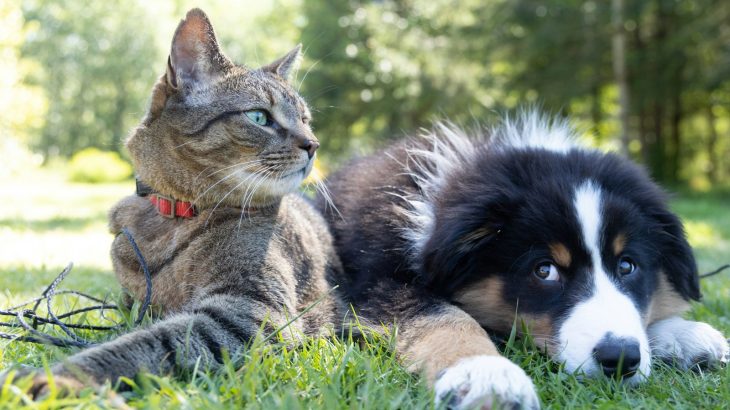
A cat and a puppy lying together outdoors in the grass

Back to School: Helping Pets Adjust When the House Empties Again

September has a particular feeling to it, doesn’t it? The summer holidays wind down, the schoolbags come out of the cupboard, the whole household shifts back into term-time gear. For the family it’s a familiar rhythm. But for the pets who’ve spent a glorious summer with the kids home all day, company on tap, and endless comings and goings, that sudden return to an empty, quiet house can come as a real shock.

If your dog or cat spent the summer surrounded by people and now finds themselves alone for long stretches once more, they may struggle with the change. The good news is that a little understanding and planning makes the back-to-school transition far easier on them. Here’s how to help.


Why the change hits pets hard

Pets are creatures of habit who take great comfort in routine, and a summer with the children home rewrites that routine entirely. Suddenly there’s company all day, more walks, more play, more fuss, more noise and life about the place. Your pet settles happily into this lovely busy normal.

Then, almost overnight, it’s gone. The house empties in the morning and stays quiet for hours. For a dog especially, but for many cats too, that abrupt swing from constant company to long stretches alone can trigger real distress, the kind that shows up as destructive behaviour, toileting accidents, excessive barking or meowing, or a generally unsettled, anxious animal. It’s the same challenge we’ve written about with separation anxiety in pets, and the return to school is one of its classic triggers.

Ease into it rather than lurching

If you can, don’t let the change land all at once on that first Monday morning. In the week or two beforehand, start reintroducing some quiet time, short periods where your pet is left to their own devices even while people are home, so that being alone feels normal again rather than a sudden abandonment. Gently shift mealtimes and walks towards the term-time schedule too, so their body clock adjusts in stages.

Keep departures calm and low-key. A big emotional goodbye every morning only winds an anxious pet up further. A matter-of-fact “see you later” teaches them that people leaving is normal and nothing to fear.

Make the quiet hours easier

There’s plenty you can do to soften the empty house. A good walk and some play before everyone leaves means a tired, contented pet more likely to settle and snooze. Leaving a radio on low provides comforting background sound. Puzzle feeders, lick mats, and treat toys turn the long hours into something to do rather than something to endure, and rotating a few toys keeps them novel. For cats, a cosy perch by a window with a view of the garden is worth its weight in gold.

Involve the children

The back-to-school shift is a lovely chance to get the kids involved in caring for the pet in a way that helps everyone. Giving them a role, filling the water bowl before school, a bit of play the moment they’re home, helping with the evening walk, keeps the pet’s bond with the children strong and eases the pet gently into the new rhythm, while teaching the youngsters a bit of responsibility. Just be sure the pet still gets their rest, and isn’t overwhelmed the second everyone bursts back through the door.

When the days are simply too long

Let’s be honest about it: even with all the preparation in the world, a dog left alone from the school run until the evening is a long stretch for any animal, and it’s more than many pets can comfortably manage. This is where a helping hand in the middle of the day can transform things, a proper walk and a bit of company that breaks up those long hours and reassures a pet who’s missing their summer companions.

Frequently Asked Questions

Why is my pet suddenly anxious when the kids go back to school?

They’ve spent all summer with constant company and are now facing long quiet stretches alone again. That abrupt swing is a classic trigger for separation-related stress, which can show as barking, accidents, or destructive behaviour.

How can I prepare my dog for the return to school?

Ease into it. In the week or two before, reintroduce short periods alone, shift walks and meals towards the term-time schedule, and keep morning goodbyes calm and low-key rather than a big emotional fuss.

Is it cruel to leave a dog alone all day while everyone’s at school and work?

A full day alone is a long time for a dog, and many struggle with it. It isn’t cruel if you break up the day, a midday walk or visit makes a big difference, along with exercise, enrichment, and a calm routine.

What can I leave to keep my pet occupied?

Puzzle feeders, lick mats, and treat-dispensing toys are great, along with a radio on low for company and, for cats, a window perch. Rotating toys keeps them feeling fresh and interesting.


Let us help

When the house empties out again for the school term, we can be the friendly midday face your pet looks forward to. Whether it’s a dog walk to break up the day or a drop-in to check on your cat, we keep your pet happy and settled across Dublin, Meath and Louth. See our services or get in touch to sort a routine that works.


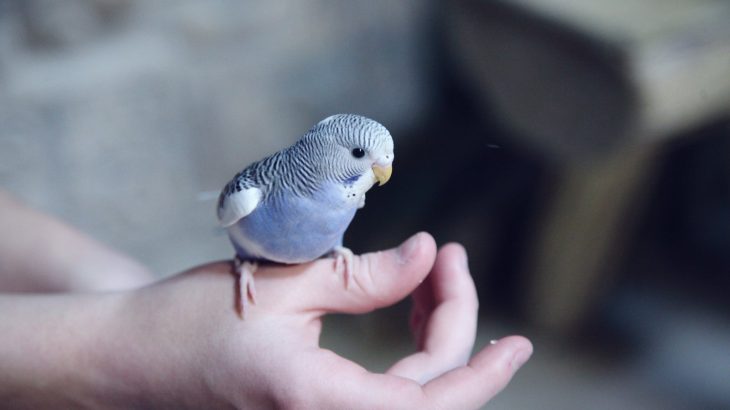
Blue and white budgie perched on a person's hand

Autumn Care for Budgies and Companion Birds

Companion birds like budgies, canaries, and cockatiels bring so much life and chatter to a home, but they’re also more delicate than they look, and the change of season asks a little of their owners. As autumn draws in across Ireland, with its cooler air, shorter days, and the heating going back on, your feathered friend’s needs shift. A few thoughtful adjustments will keep them bright, healthy, and singing through the darker months.

Here’s what to think about for your bird as the season turns.


Draughts are the enemy

If there’s one thing pet birds truly cannot abide, it’s a draught. Birds are very sensitive to sudden temperature changes and cold air, and a draughty spot can quickly make them unwell. As autumn brings gustier, colder weather, check where the cage sits. Keep it away from draughty windows, external doors, and anywhere cold air sneaks through. A consistent, comfortable room temperature suits them best.

At the same time, don’t place the cage right next to a radiator or fire, as the dry heat and sudden warmth aren’t good for them either. Steady and moderate is the goal.

The trouble with shorter days

Birds are highly attuned to light, and the shortening autumn days can affect their mood, behaviour, and even their moulting cycle. Most companion birds do well with a consistent daily rhythm of light and dark, roughly ten to twelve hours of darkness for proper rest. As natural daylight dwindles, be mindful of their light exposure. Covering the cage at night helps give them a proper, undisturbed sleep, which matters more than people think for a bird’s health and temperament.

Some owners use full-spectrum bird lighting to supplement the short winter days, which can help maintain their wellbeing, though it’s worth researching your particular species’ needs.

Moulting and nutrition

Many birds moult as the seasons change, dropping old feathers and growing new ones. It’s a demanding process that takes a lot out of them, so autumn is a time when good nutrition really counts. A varied, quality diet appropriate to your species, not just a seed-only diet, helps them grow strong new feathers and stay healthy. Fresh water daily, and the right supplements if your vet recommends them, all support them through the moult.

A moulting bird can be a bit grumpy or quiet, which is normal, but a bird that seems truly unwell, is losing feathers in patches, or has bald spots should see an avian vet.

Keep them stimulated indoors

With less daylight and more time spent indoors, boredom can set in. Birds are intelligent, social creatures who need mental stimulation and company. Keep a good variety of toys, rotate them to keep things interesting, and make time for interaction and out-of-cage time in a safe room. A bored bird can develop unwanted habits like feather-plucking, so keeping them engaged through the long autumn evenings is well worth the effort.

Frequently Asked Questions

Why is my bird losing feathers in autumn?

Most likely a seasonal moult, which is completely normal, birds shed old feathers and grow new ones as the season changes. Support them with good nutrition. But patchy bald spots or a bird that seems unwell warrants a vet visit.

How cold is too cold for a pet bird?

It depends on the species, but most companion birds are comfortable in normal room temperatures and dislike sudden drops and draughts far more than steady mild cool. Keep them out of draughts and away from cold windows.

Should I cover my bird’s cage at night?

Covering the cage helps provide the consistent darkness birds need for proper rest, around ten to twelve hours, which becomes especially useful as autumn evenings draw in and household light patterns change.

Do birds need special lighting in winter?

Some owners use full-spectrum avian lighting to make up for short winter days, which can support a bird’s wellbeing. It’s worth checking your specific species’ needs, as requirements vary.


Let us help

Birds need consistent, knowledgeable care, and not every sitter understands them. We do. Our bird minding service keeps your feathered friend warm, fed, and content in their own familiar home while you’re away. Explore our full range of services or get in touch for a chat about your bird’s needs.


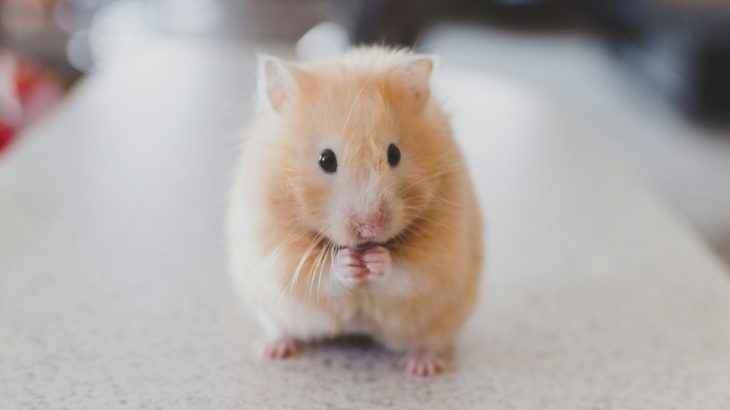
Ginger hamster sitting up with paws together on a worktop

Getting Your Hamster Ready for the Cooler Months

As the warm days fade and autumn settles in over Ireland, our smallest pets need a little extra thought. Hamsters are hardy wee characters, but they’re surprisingly sensitive to temperature, and the drop that comes with autumn and winter can affect them more than many owners realise. A bit of preparation now keeps your hamster cosy, healthy, and thriving through the cooler months.

Here’s what your hamster needs as the temperature starts to dip.


Mind the temperature

This is the big one. Hamsters are most comfortable somewhere around eighteen to twenty-four degrees, and they don’t cope well with the cold. If the temperature drops too low, a hamster can go into a state called torpor, a kind of hibernation-like dormancy that can be genuinely dangerous and is sometimes mistaken for death by worried owners. It’s brought on by cold, so the answer is simply to keep them warm enough.

As Irish homes get chillier in autumn, pay attention to where your hamster’s cage sits. Keep it well away from draughts, cold windows, and outside walls, and away from direct heat sources like radiators too, which can overheat them. A steady, comfortable room temperature is what you’re after. If a room gets cold overnight when the heating clicks off, that’s worth thinking about.

Extra bedding for burrowing

Hamsters love to burrow, and a good deep layer of bedding is their natural way of keeping warm and snug. As it gets colder, give them plenty of extra bedding and nesting material so they can dig down and build a cosy nest. Unscented, dust-free paper-based bedding is ideal. You’ll often find them tucked deep in a warm burrow on chilly days, exactly as they should be.

Watch out for the draughts you can’t feel

A spot that feels grand to you at standing height can be surprisingly draughty down at cage level, especially near doors and older windows. If in doubt, move the cage to a more sheltered position. Never sit it directly on a cold floor either, keeping it up on a table or stand helps.

Keep an eye on food and activity

As the seasons change, keep your hamster’s diet consistent and their food topped up, they use energy staying warm. Keep their exercise wheel and toys available too, as staying active helps them keep warm and stave off the boredom of longer indoor nights. A healthy, active hamster copes far better with the cooler months than a sluggish, chilly one.

Do watch for any signs of a hamster becoming unusually still, cold to the touch, or unresponsive. If you suspect torpor, gently warming them slowly and contacting your vet is the right course, but prevention by keeping them warm in the first place is far better than cure.

Frequently Asked Questions

What temperature is too cold for a hamster?

Below about 15 to 18 degrees starts to get risky, and prolonged cold can trigger a dangerous hibernation-like state called torpor. Aim to keep them in a steady room around 18 to 24 degrees.

Do hamsters hibernate?

Not healthily as pets. What looks like hibernation is usually torpor, brought on by cold, and it can be dangerous. A pet hamster shouldn’t be allowed to get cold enough for it to happen.

How can I keep my hamster warm without overheating them?

Keep the cage in a steady, draught-free room away from both cold windows and direct heat like radiators, and provide plenty of deep bedding so they can burrow and nest. Avoid placing anything directly against the cage as a heat source.

My hamster seems sleepy and cold, what should I do?

Move them somewhere warm, warm them gradually rather than suddenly, and contact your vet promptly, as this can be a sign of torpor which needs careful handling.


Let us help

Going away and worried about your little one being left in the cold? Our hamster minding service means your hamster stays warm, fed, and cared for in their own home, no stressful moving about. We look after all sorts of small pets, so take a look at our services or get in touch.


Brown and white collie sitting among orange autumn leaves in a park

Darker Evenings, Safe Walks: Autumn Dog Walking in Ireland

There’s a lot to love about walking your dog in autumn here in Ireland. The air turns crisp, the parks fill with crunchy leaves that dogs seem to find endlessly thrilling, and the sticky heat of summer is a memory. But the season brings its own challenges too, chief among them the evenings drawing in fast, so that the after-work walk that was sunlit in August is suddenly happening in the dark by October.

A little preparation keeps those autumn walks safe and enjoyable for you both. Here’s what to keep in mind as the clocks wind down towards winter.


Be seen in the dark

The biggest change autumn brings is reduced daylight. Morning and evening walks increasingly happen in poor light or full darkness, and that raises the stakes around traffic. Make yourself and your dog visible: a reflective or light-up collar, a hi-vis lead or harness, and something reflective on yourself too. A small clip-on LED light on the dog’s collar is inexpensive and makes a real difference on unlit paths and rural roads, of which we’ve plenty around Meath and Louth.

Stick to routes you know well in the dark, keep to paths and footpaths where you can, and be extra mindful near roads, as drivers simply can’t see a dark-coated dog the way they can in daylight.

Watch the weather and the ground

Irish autumn weather does as it pleases, often several times in one walk. Rain, wind, and the first proper cold snaps arrive. Most dogs cope grand, but short-coated breeds, older dogs, and small dogs may appreciate a coat once it turns cold and wet. After wet walks, dry your dog off properly, particularly their paws and belly, to keep them comfortable and avoid the damp chill setting in.

Fallen leaves are great fun but can hide hazards underneath, broken glass, sharp sticks, or slippery mud, so keep half an eye on where paws are landing.

Seasonal hazards to know about

Autumn carries a few specific dangers worth knowing. Conkers and acorns are toxic to dogs if eaten, and they’re everywhere this time of year, so discourage your dog from picking them up. Certain wild mushrooms that spring up in damp autumn weather can be very poisonous, and it’s near impossible to tell safe from dangerous at a glance, so the safe rule is to prevent your dog eating any of them. As Halloween approaches, be mindful too of the extra hazards it brings, something we’ve covered in our guide to keeping pets calm during fireworks.

This is also the tail end of tick season, so keep up with tick checks after walks through long grass or wooded areas, and stay on top of your dog’s parasite prevention.

Keep the routine going

It’s tempting, when it’s dark and drizzly, to cut walks short or skip them. But dogs need their exercise and mental stimulation year-round, and a well-walked dog is a happy, settled dog whatever the season. If the shorter days and busier autumn schedule make it hard to get out as much as you’d like, that’s exactly where a bit of help comes in handy, a midday walk while you’re at work means your dog still gets a proper outing in daylight.

Frequently Asked Questions

Is it safe to walk my dog in the dark?

Yes, with sensible precautions. Use reflective or light-up gear on both you and your dog, stick to familiar well-lit routes where possible, and take extra care near roads. A collar light makes a big difference on darker paths.

Are acorns and conkers really dangerous to dogs?

They can be. Both are toxic to dogs if chewed or swallowed, and conkers also pose a choking and blockage risk. Discourage your dog from picking them up, and contact your vet if you think they’ve eaten one.

Should my dog wear a coat in autumn?

Many dogs don’t need one, but short-coated breeds, small dogs, older dogs, and those who feel the cold will be more comfortable in a coat once it turns cold and wet. Dry them off well after damp walks either way.

How do I keep my dog exercised when it’s dark after work?

A daytime walk is the ideal solution, whether that’s you nipping out at lunch or a dog walker calling round so your dog gets a proper outing in daylight while you’re at work.


Let us help

When the dark evenings and packed autumn schedule make dog walking a struggle, we’re here to keep your dog exercised, happy, and safe. Our dog walking service across Dublin, Meath and Louth means a proper daytime walk whatever your working hours. See our services or get in touch to arrange a walk.