


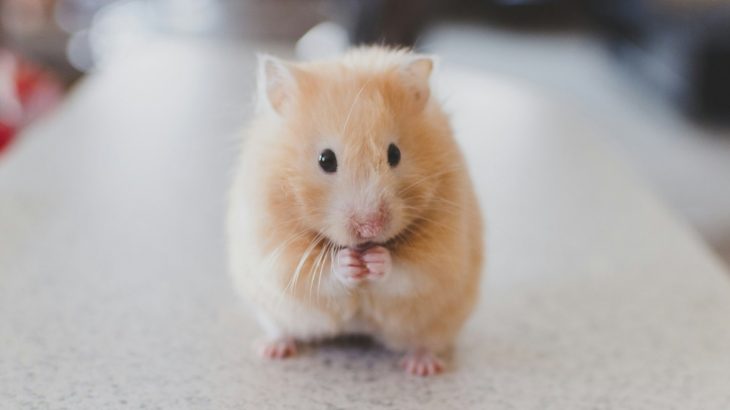
As the warm days fade and autumn settles in over Ireland, our smallest pets need a little extra thought. Hamsters are hardy wee characters, but they’re surprisingly sensitive to temperature, and the drop that comes with autumn and winter can affect them more than many owners realise. A bit of preparation now keeps your hamster cosy, healthy, and thriving through the cooler months.
Here’s what your hamster needs as the temperature starts to dip.
Mind the temperature
This is the big one. Hamsters are most comfortable somewhere around eighteen to twenty-four degrees, and they don’t cope well with the cold. If the temperature drops too low, a hamster can go into a state called torpor, a kind of hibernation-like dormancy that can be genuinely dangerous and is sometimes mistaken for death by worried owners. It’s brought on by cold, so the answer is simply to keep them warm enough.
As Irish homes get chillier in autumn, pay attention to where your hamster’s cage sits. Keep it well away from draughts, cold windows, and outside walls, and away from direct heat sources like radiators too, which can overheat them. A steady, comfortable room temperature is what you’re after. If a room gets cold overnight when the heating clicks off, that’s worth thinking about.
Extra bedding for burrowing
Hamsters love to burrow, and a good deep layer of bedding is their natural way of keeping warm and snug. As it gets colder, give them plenty of extra bedding and nesting material so they can dig down and build a cosy nest. Unscented, dust-free paper-based bedding is ideal. You’ll often find them tucked deep in a warm burrow on chilly days, exactly as they should be.
Watch out for the draughts you can’t feel
A spot that feels grand to you at standing height can be surprisingly draughty down at cage level, especially near doors and older windows. If in doubt, move the cage to a more sheltered position. Never sit it directly on a cold floor either, keeping it up on a table or stand helps.
Keep an eye on food and activity
As the seasons change, keep your hamster’s diet consistent and their food topped up, they use energy staying warm. Keep their exercise wheel and toys available too, as staying active helps them keep warm and stave off the boredom of longer indoor nights. A healthy, active hamster copes far better with the cooler months than a sluggish, chilly one.
Do watch for any signs of a hamster becoming unusually still, cold to the touch, or unresponsive. If you suspect torpor, gently warming them slowly and contacting your vet is the right course, but prevention by keeping them warm in the first place is far better than cure.
Frequently Asked Questions
What temperature is too cold for a hamster?
Below about 15 to 18 degrees starts to get risky, and prolonged cold can trigger a dangerous hibernation-like state called torpor. Aim to keep them in a steady room around 18 to 24 degrees.
Do hamsters hibernate?
Not healthily as pets. What looks like hibernation is usually torpor, brought on by cold, and it can be dangerous. A pet hamster shouldn’t be allowed to get cold enough for it to happen.
How can I keep my hamster warm without overheating them?
Keep the cage in a steady, draught-free room away from both cold windows and direct heat like radiators, and provide plenty of deep bedding so they can burrow and nest. Avoid placing anything directly against the cage as a heat source.
My hamster seems sleepy and cold, what should I do?
Move them somewhere warm, warm them gradually rather than suddenly, and contact your vet promptly, as this can be a sign of torpor which needs careful handling.
Let us help
Going away and worried about your little one being left in the cold? Our hamster minding service means your hamster stays warm, fed, and cared for in their own home, no stressful moving about. We look after all sorts of small pets, so take a look at our services or get in touch.