Getting Your Pet Ready for Summer: What Changes When the Weather Warms Up

There’s always that one day where it suddenly feels like summer.

You head out the door and realise you don’t need a heavy jacket. The air feels lighter. People are out in the evenings again. And your pet — especially your dog — seems to have picked up on it straight away.

After months of damp walks and short days, everything opens up a bit.

But as welcome as the warmer weather is, it does change things for pets more than we might expect.

The First Warm Days Hit Differently

In Ireland, we’re not always prepared for heat — and neither are our pets.

That first proper warm day can catch dogs off guard. After getting used to cool air for months, even a mild rise in temperature can feel like a lot. You might notice more panting, slower walking, or your dog choosing shade over movement much sooner than usual.

It doesn’t take extreme heat for a dog to feel uncomfortable. A bright afternoon with little breeze can be enough.

What worked in March doesn’t always work in June.

Walks Start to Shift

One of the biggest changes is when walks happen.

Those early evening strolls that were perfect in spring can suddenly feel too warm. Pavements hold heat longer, and even grassy areas can feel heavy in the middle of the day.

You’ll often find that earlier mornings or later evenings suit dogs better once summer settles in.

And interestingly, many dogs will tell you this themselves — slowing down, stopping more often, or heading for shaded spots without being asked.

Energy Looks Different in Summer

There’s a common assumption that better weather means more energy. And sometimes that’s true.

But on warmer days, many dogs actually become more selective with how they use their energy. You might get short bursts of excitement — a run in the garden, a playful moment — followed by long stretches of rest.

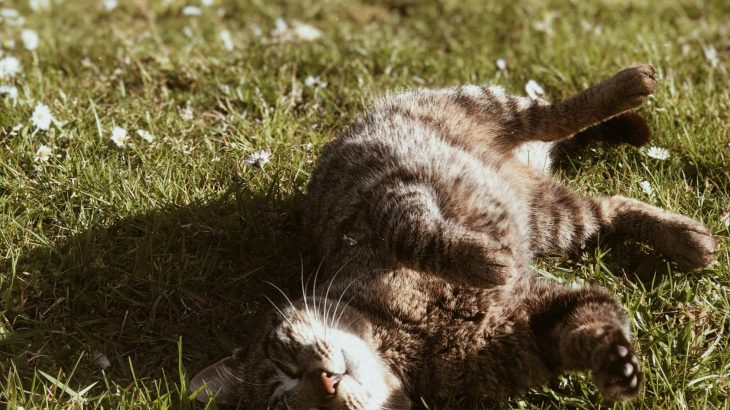
Cats tend to lean into this even more. Sunny spots become prime territory, and movement slows right down during the warmest parts of the day.

It’s less about doing more, and more about doing things at the right time.

Hydration Becomes More Important

Water is always important, but in summer it becomes essential.

Pets can lose more fluid than we realise, especially if they’re active in warm weather. A dog that’s running around the garden or out on a walk will need more frequent access to fresh water, even if they don’t immediately seem thirsty.

You might notice your pet drinking more often, or seeking out cooler areas of the house. These are small but important adjustments they make on their own.

The Hidden Risks of Warm Weather

Summer brings its own set of risks, and most of them aren’t obvious at first.

Cars heat up quickly — even on what feels like a mild day. Pavements can become uncomfortable for paws. And overexertion can happen faster than expected, especially for older dogs or breeds that are more sensitive to heat.

It’s not about avoiding summer — just understanding that it affects pets differently than it does us.

A walk that feels comfortable to you might feel much warmer to them.

Garden Time Increases

As the weather improves, pets often spend more time outdoors at home.

Dogs stretch out in the grass, cats wander further, and the garden becomes a bigger part of their daily routine again.

That’s generally a positive thing — but it’s worth making sure there’s always a shaded area available, and somewhere cool they can retreat to when they’ve had enough.

Some pets are great at regulating themselves. Others will happily stay in the sun longer than they should, simply because they’re enjoying it.

Summer Routines Can Be Less Predictable

With longer days and better weather, routines tend to loosen a bit.

Evenings stretch out. Plans change. There are more social events, more time spent away from home, and sometimes less structure than usual.

Pets notice that.

For some, it’s exciting. For others, it can feel a bit unsettled if things become too unpredictable.

Keeping a few key routines steady — feeding times, regular walks, familiar rest periods — helps balance things out.

A Word from Pet Angel Sitters

Summer is a lovely time for pets. There’s more to see, more to smell, and more time spent outdoors. But it does require a bit of adjustment.

At Pet Angel Sitters, we naturally shift with the season — walks timed around the heat, making sure pets stay hydrated, and keeping routines steady even when life gets busier.

Because when the weather changes, pets don’t need everything to change with it.

They just need a bit of awareness — and a familiar rhythm they can rely on.

Why Pets Are Happier Staying in Their Own Home


There’s always a bit of planning involved when you’re going away.

Packing bags, sorting travel, double-checking everything before you leave. But for pet owners, there’s one extra question that tends to sit in the background:

What’s the best thing to do for the pet?

For years, kennels and catteries were the obvious answer. And for some animals, they still work well. But more and more owners are starting to notice something else — that many pets are simply happier when they can stay exactly where they are.

At home.

Home Is More Than Just a Place

To us, home is familiar. To pets, it’s everything.

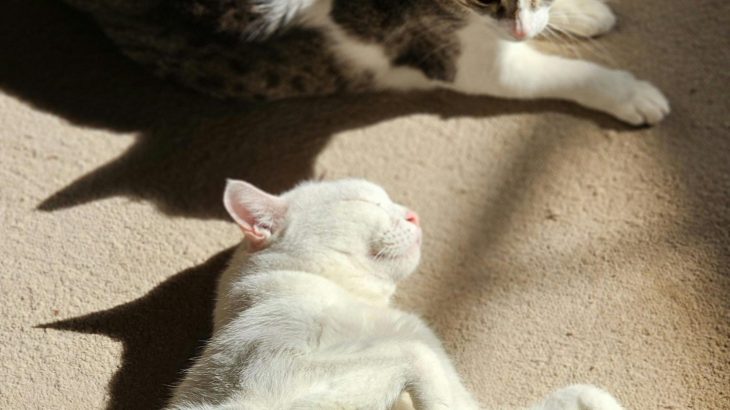
It’s where they eat, sleep, relax, and feel safe. Every smell, every sound, every corner of the house is known to them. They know where the light falls during the day, where the quiet spots are, and where to sit when they want to be near the door.

Take them out of that environment, and even the most confident pet can feel unsettled.

It’s not just about being somewhere new — it’s about losing all the small cues that tell them they’re secure.

Routine Matters More Than We Think

Pets don’t follow calendars, but they do follow patterns.

They know roughly when breakfast happens. When the lead comes out. When the house settles in the evening. Those small, repeated moments build a sense of stability.

When that routine changes suddenly — different feeding times, unfamiliar surroundings, new smells and sounds — it can take time for them to adjust.

At home, that rhythm can stay largely the same. Meals happen as expected. Walks follow familiar routes. Rest happens in the same places it always has.

And for many pets, that consistency is what keeps them calm.

The Stress of New Environments

Even the best-run kennels or catteries come with change.

Different animals nearby. New smells. Unfamiliar noises. Less one-to-one attention. For some pets, that’s manageable. For others, it can feel overwhelming.

Dogs that are used to quiet homes may find the noise unsettling. Cats, who tend to be more territorial by nature, often find being moved out of their space particularly difficult.

It’s not about something being “wrong” with those environments — it’s simply that they’re not home.

And for many animals, that difference is enough.

Familiar Surroundings, Familiar Behaviour

One of the biggest advantages of keeping pets at home is that their behaviour tends to stay more consistent.

They eat better.
They sleep better.
They behave more like themselves.

There’s less of that adjustment period where everything feels slightly off.

Owners often notice the difference straight away. Instead of coming home to a pet that seems unsettled or out of sorts, they come home to one that’s… just normal.

And that says a lot.

It’s Not Just About Feeding and Walking

Pet care isn’t only about the practical things.

Yes, food needs to be given and walks need to happen. But there’s also the quieter side of it — presence, familiarity, knowing when to give attention and when to step back.

In a home environment, that’s easier to maintain. Pets can follow their usual habits. If they like sitting by the window, they can. If they prefer the corner of the sofa, that’s still theirs.

Nothing has to be adjusted or adapted.

Peace of Mind for Owners Too

There’s also a human side to all of this.

Knowing your pet is at home, in their own space, often makes it easier to relax while you’re away. There’s no wondering how they’re settling into a new place or whether they’re feeling overwhelmed.

Everything they need is already around them.

And when you return, there’s no transition period. No settling back in. Just the usual routine picking up where it left off.

A Word from Pet Angel Sitters

At Pet Angel Sitters, we see every day how much difference a familiar environment makes.

Pets that stay at home tend to settle quicker, behave more naturally, and feel more at ease overall. It’s not about doing more — it’s about keeping things as they are.

Because for most animals, comfort doesn’t come from new places.

It comes from familiar ones.


When the Rain Won’t Stop: Keeping Pets Happy on Wet Days

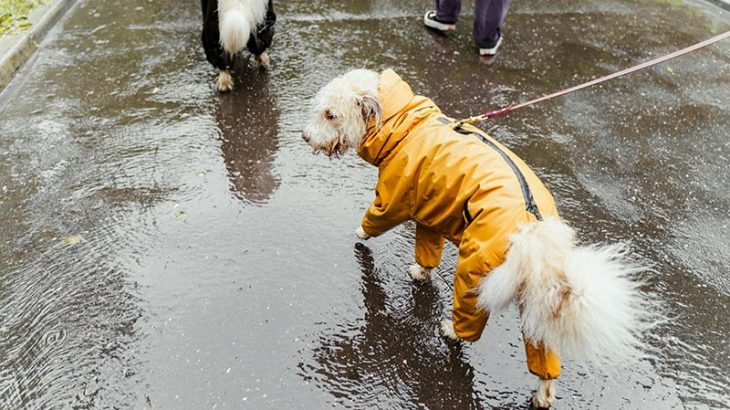
There’s a certain type of Irish rain that doesn’t just fall — it settles in. Grey skies, damp air, puddles that never quite dry up. For us, it means heavier coats and soggy shoes. For our pets, it can mean something else entirely.

Some dogs will charge straight into the rain without a second thought. Others take one look outside and decide they’d rather hold it in forever. Cats, of course, tend to treat rain like a personal insult.

But when the weather drags on for days, even the boldest pets can start to feel the effects.


The Mood Shift That Comes With Rain

Animals are far more sensitive to their surroundings than we often realise. A run of wet, dark days changes the rhythm of everything — fewer long walks, less outdoor play, more time indoors.

For energetic dogs, that can mean pent-up energy. You might notice pacing, chewing, or a bit more mischief than usual. It’s rarely “bad behaviour.” More often, it’s boredom.

Cats handle things differently. Some are delighted by the excuse to stay inside and nap. Others grow restless, especially if they’re used to roaming the garden or neighbourhood. A cat staring longingly out at the rain isn’t always dramatic — sometimes they’re just frustrated.


Adjusting Without Overthinking It

Rainy days don’t mean you need to reinvent life for your pet. Small changes go a long way.

Shorter walks can still be meaningful if they’re slower and more exploratory. Letting your dog sniff for longer, even in drizzle, can tire them out mentally in a way that a rushed walk never will.

Indoors, simple engagement helps. A few minutes of play, a treat puzzle, or even changing up where your pet rests can break the monotony of a grey day.

For cats, moving a cosy bed closer to a window (but out of draughts) gives them a warm viewing point. Watching the world in the rain can be its own kind of entertainment.


The Physical Side of Wet Weather

Rain doesn’t just affect mood — it affects bodies too.

Older dogs can feel stiffness more in cold, damp conditions. You might notice them taking longer to get up or moving more cautiously. A slightly warmer sleeping spot or an extra blanket can genuinely help.

Paws also take a beating in wet weather. A quick towel-dry after walks prevents irritation and keeps your home from turning into a mud trail. It’s a small habit that makes a big difference.

Cats, while generally avoiding puddles altogether, still appreciate warm, dry indoor spaces during long wet spells.


When Cabin Fever Sets In

After several days of relentless rain, even the calmest pets can feel cooped up. This is often when behaviour shifts slightly — extra barking at passing sounds, more vocalising, or clinginess.

It doesn’t mean something is wrong. It simply means their usual outlets have been reduced.

Keeping routines steady helps. Meals at the same time. Walks, even if shorter. Quiet time in the evening. Predictability steadies them when the weather feels unpredictable.


The Comfort of Familiar Care

Rainy weeks can be especially tricky if you’re working long hours or juggling a busy schedule. When pets are already spending more time indoors, that consistency becomes even more important.

A familiar visitor, a regular walk, or someone who understands your pet’s habits keeps things from feeling too stagnant.

At Pet Angel Sitters, we often see how much calmer pets are when their routine continues, rain or shine. Even on miserable days, a familiar face and a steady rhythm help them feel secure.


Finding the Good in Grey Days

Not every rainy day needs fixing. Sometimes they’re just quieter days. Slower days. A chance to rest without guilt.

There’s something comforting about a dog curled up asleep while rain taps at the window. Or a cat tucked into a warm blanket, half-dozing, half-watching the world outside.

For pets, contentment often looks simple. Warmth. Familiar smells. Someone nearby.

And in Ireland, where rain is rarely far away, learning to settle into those slower days is part of the rhythm of life — for us and for them.