The First Visit: How We Get to Know Your Pet Before You Go Away

Before we ever care for your pet on our own, before you’ve packed a single bag for your trip, there’s one step we never skip: the first visit. The meet-and-greet. It’s a quiet, unhurried get-together in your own home, and while it might seem like a simple formality, it’s actually one of the most important parts of how we work, the foundation that everything else is built on.

If you’ve never used a pet sitter before, you might wonder what such a visit involves and why it matters so much. So let’s walk through it, because understanding the first visit tells you a great deal about what good pet care really looks like.


Why we won’t skip it

Here’s a principle we hold firmly: we don’t believe in caring for an animal we’ve never met. It wouldn’t be fair on your pet, and it wouldn’t be fair on you. A dog or cat being looked after by a complete stranger, in your absence, with no prior introduction, is a recipe for a stressed animal and an anxious owner. The meet-and-greet exists precisely to prevent that.

By meeting beforehand, your pet gets to encounter us while you’re still there, a reassuring presence by their side. They learn our scent, our voice, the simple fact that this new person is welcomed by you and therefore safe. That single introduction does an enormous amount to smooth the way for everything that follows.

Letting your pet take the lead

At that first meeting, we let your pet set the pace. Some dogs come bounding over, tail going like a propeller, ready to be best friends inside thirty seconds. Others hang back and need to observe from a safe distance before they’ll approach. Cats, true to form, might saunter over to inspect us or might watch imperiously from the top of the stairs, deciding in their own time whether we pass muster.

However your pet reacts, we follow their cues rather than forcing the issue. We get down to their level, let them approach and sniff, avoid looming over a nervous animal, and generally show them there’s no pressure. Building trust with an animal isn’t something you can rush, and the first visit is the gentle start of that process. Often, a wary pet who eyed us cautiously at the meet-and-greet is delighted to see us by the second or third proper visit.

Learning the details that matter

While your pet is sizing us up, we’re learning everything we need to care for them brilliantly. This is the practical heart of the visit, and we ask a lot of questions, because the details genuinely matter. We’ll want to know your pet’s full routine: when they eat, how much, and what; when and where they’re walked; their toileting habits; their sleep patterns. We’ll ask about temperament, are they nervous of anything, good with other animals, prone to bolting, friendly with strangers?

We’ll go through any health needs and medication carefully, note your vet’s details, and learn the little things that make your pet comfortable, the favourite toy, the spot they love to be scratched, the command they respond to, the noise that frightens them. We’ll find out where everything lives: food, leads, litter, cleaning supplies, the spare key. By the end, we should understand your pet almost as well as you do, so that when you’re away, nothing is left to guesswork. This thorough groundwork is a big part of why pets stay so relaxed in their own homes under our care.

It works both ways

The first visit isn’t just us assessing your pet, it’s you assessing us, and that’s exactly as it should be. This is your chance to see how we interact with your animal, to ask anything you like, and to satisfy yourself that you’re comfortable handing over your keys and your trust. We’d far rather you asked every question on your mind now than worried about it later from a beach somewhere.

We’ll talk you through how we work, what each visit will involve, how we’ll keep you updated, and what happens in an emergency. If you’ve got concerns or special requests, now’s the time. And if, for whatever reason, it doesn’t feel like the right fit on either side, that’s absolutely fine, far better to find out over a cup of tea than once a trip is booked. If you’re wondering what to ask, our post on questions to ask before hiring a pet sitter is a handy starting point.

Sorting the practicalities

The meet-and-greet is also when we tie up the practical loose ends. Keys are handed over and how we’ll store and use them is agreed. We confirm dates, times, and exactly which visits you need. We make sure we have all your contact details and an emergency contact, plus your vet’s information and authorisation for care if it’s ever needed. Getting all this squared away in advance means that when the time comes, everything runs smoothly and you can leave with genuine peace of mind.

Setting your pet, and you, at ease

By the time the first visit ends, a quiet bit of magic has usually happened. Your pet has met a new friend in the safety of their own home. You’ve seen that friend handle your animal with warmth and care. The practical details are sorted. And the anxiety that so often comes with leaving a pet has eased considerably, replaced by the comfortable knowledge that they’ll be in good hands.

That’s the whole purpose of the meet-and-greet: to turn a stranger into a trusted carer before it ever matters, so that your time away is restful for you and as close to ordinary as possible for your pet.

Come and meet us

If you’re in Dublin, Meath, or Louth and thinking about pet care for an upcoming trip, the first step is simply to say hello. Whether you need dog walking, cat minding, or care for rabbits, birds and other small pets, it all begins with a relaxed meet-and-greet in your home. Take a look at our services, read more about us, or get in touch to arrange a visit. We’d love to meet you both.
Med-Time Made Easy: How a Pet Sitter Helps Pets on Medication While You’re Away

For owners of a healthy young animal, going away is mostly a matter of food, walks, and company. But if your pet relies on daily medication, a diabetic cat needing insulin at set times, an older dog on tablets for a heart condition, an animal recovering from surgery or managing a chronic illness, the prospect of leaving them is a great deal more daunting. Miss a dose, get the timing wrong, or hand the job to someone who doesn’t quite understand it, and the consequences can be serious.

It’s one of the most common worries we hear, and it stops a lot of people getting the break they badly need. So let’s talk honestly about caring for a pet on medication while you’re away, what’s involved, what to look for, and how the right in-home care can take the fear out of it entirely.


Why medication makes leaving so daunting

When your pet’s health depends on regular treatment, the usual options suddenly look shakier. Asking a kind but inexperienced neighbour to “pop in and give the tablet” puts a heavy responsibility on someone who may never have medicated an animal in their life, and pets, as anyone who’s tried knows, can be remarkably crafty about spitting out a pill the moment your back’s turned. Boarding facilities will often administer medication, but that means subjecting an already-unwell or elderly pet to the stress of a strange environment, which can set their health back in other ways.

What you really want is someone experienced, reliable, and calm, giving the medication correctly, on time, in your pet’s own familiar home. That’s exactly the gap a good pet sitter fills.

Timing: more important than people realise

For many conditions, when a medication is given matters as much as whether it’s given at all. Insulin for a diabetic pet, for instance, typically needs to be administered at consistent times, often tied to meals, to keep blood sugar stable. Some heart and thyroid medications work best at regular intervals. A casual “I’ll get to it when I drop by” approach simply doesn’t cut it.

A professional sitter builds the visit schedule around your pet’s medical needs, not the other way round. If your cat needs insulin every twelve hours, the visits are timed accordingly. This precision is one of the biggest advantages of a dedicated sitter over a well-meaning favour from someone juggling their own busy day.

The skill of actually getting it into them

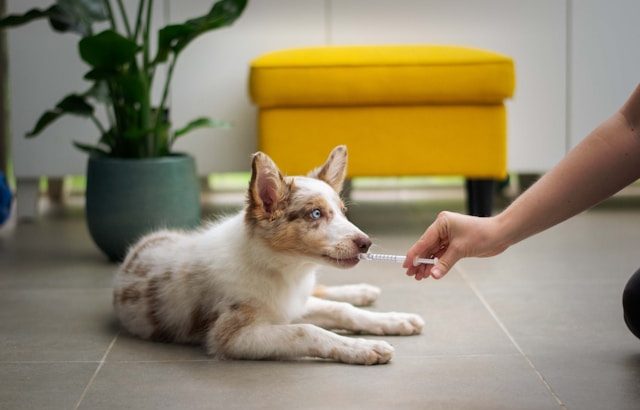
Anyone who’s tried to give a cat a tablet knows it can feel like wrestling a furry escape artist. Pets are experts at appearing to swallow a pill and then quietly depositing it behind the sofa. Liquid medications, ear drops, eye ointments, injections, each has its own technique, and doing it confidently and gently, without turning it into a battle that stresses the animal, is a genuine skill.

An experienced sitter knows the tricks: hiding tablets in a favoured treat or a little food, the right way to hold an animal calmly, how to give an injection swiftly and kindly, how to stay composed so the pet stays composed. Crucially, they also know how to check the medication has actually gone down rather than just assuming it has. We always make sure we’re fully briefed on each pet’s specific regime before you leave, so nothing is guesswork.

Watching for changes

A pet on medication is, by definition, a pet with a health condition that needs watching. Beyond simply administering the dose, a good sitter keeps an eye on how your animal is doing. Are they eating and drinking normally? Is their energy as expected? Any new symptoms, any side effects, anything off? Because we get to know each pet properly, we’re well placed to notice when something changes, and to act on it.

This vigilance is the same care we bring to looking after senior cats and dogs, who so often have medical needs of their own. An attentive eye can catch a developing problem early, which can make all the difference.

Knowing what to do if something goes wrong

The thing that frightens owners most is the “what if”, what if my pet has a bad turn while I’m away? A professional sitter plans for exactly this. Before you go, we make sure we know your vet’s details, where the nearest emergency clinic is, your pet’s medical history and current medications, and your wishes and authorisation should treatment be needed. We’ll have your emergency contact and a clear plan, so that if the worst happens, precious time isn’t lost in confusion.

This kind of preparation is part of responsible pet care generally, it’s the same thinking behind knowing your pet first aid basics, but it matters doubly for an animal whose health is already fragile.

Peace of mind for you, stability for them

The real gift of in-home medication care is twofold. Your pet gets to stay in their own home, keeping the calm, stable routine that’s so important when they’re unwell, no stressful upheaval piled on top of an existing condition. And you get to actually relax on your trip, knowing a capable person has it all in hand and will tell you how things are going. For owners who’ve spent years feeling they can never get away because of a pet’s medical needs, that freedom can be quietly life-changing.

We’re here to help

If your dog, cat, or other pet is on medication and you’ve been putting off a trip because of it, please don’t assume it can’t be managed. Across Dublin, Meath, and Louth, we provide careful, experienced in-home care for pets with medical needs, keeping treatment precisely on track in the place your pet feels safest. Have a look at our services, read more about how we work, or get in touch to talk through your pet’s particular needs. With the right care, a health condition needn’t keep you tied to home.

This post is general guidance only and doesn’t replace veterinary advice. Always follow your vet’s instructions for your pet’s specific medication and condition.


Holiday Pet Care: Why a Pet Sitter Often Beats the Kennels

The holiday is booked, the flights are sorted, and then it hits you: what about the pets? For anyone with a dog, cat, or other animal at home, this is one of the more stressful parts of getting away. You want to enjoy your break, but not at the cost of your pet being miserable. And so you’re faced with the age-old question, kennels and catteries, or a pet sitter who comes to your home?

There’s no single right answer for every animal, and we’ll be honest with you about that throughout. But there are real, meaningful differences between the two options, and understanding them will help you make the choice that’s genuinely best for your particular pet. Let’s weigh it up properly.


The case for kennels and catteries

Let’s be fair and start here, because boarding facilities do have their merits. A good kennel or cattery offers constant supervision, there are staff on site, and your pet isn’t alone overnight. For some animals, particularly very sociable dogs who love the company of other dogs, a well-run kennel can be almost like a holiday camp. There’s routine, there’s safety, and there’s the reassurance of professional staff used to handling animals.

For certain pets and certain owners, that’s the right fit, and we’d never tell you otherwise. If your dog is a gregarious soul who thrives on company and copes well with new environments, boarding might suit them grand.

But here’s what boarding asks of your pet

Now for the other side of the ledger. Boarding, by its nature, takes your pet out of everything familiar and drops them somewhere completely new. New sounds, new smells, unfamiliar animals nearby, a strange enclosure, a routine set by the facility rather than by your pet. For a confident, sociable animal, that’s an adventure. For a great many pets, and especially cats, who are deeply territorial and bond strongly to place, it’s genuinely stressful.

Cats in particular often find catteries distressing. A cat’s sense of security is tied tightly to their own territory; remove them from it and many will hide, go off their food, and spend the whole stay anxious. Older pets, nervous pets, and those with health conditions can find the upheaval especially hard. There’s also the matter of mixing with other animals, the company that suits one dog is a source of stress for another, and there’s an unavoidable exposure to coughs and bugs that comes with any communal setting.

The case for a pet sitter: home is everything

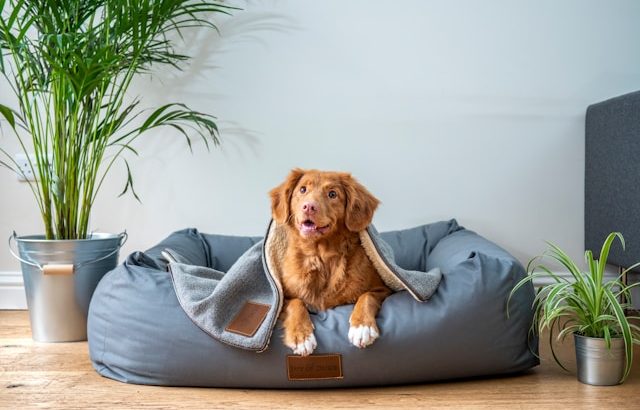
This is where a home-visiting pet sitter changes the entire equation. Instead of taking your pet to a strange place, the care comes to them. Your pet stays exactly where they feel safest, in their own home, with their own bed, their own smells, their own favourite windowsill, their own familiar routine. Nothing about their world changes except that you’re away and a kind person is calling in to look after them.

For cats, this is often transformational. A cat who would spend a week hiding at the back of a cattery cage will potter about their own home perfectly content, eating normally, using their own litter tray, snoozing in their usual spots. We’ve written before about why pets are so much happier staying in their own home, and it’s a principle at the very heart of what we do.

The benefits stack up. There’s no stressful car journey to and fro. No exposure to other animals’ illnesses. No disruption to routine. Your pet’s diet stays exactly the same. Medication can be given in their normal setting. And there’s a lovely added bonus for you: your home looks lived-in while you’re away, post brought in, curtains adjusted, lights varied, which is no small thing for security.

What in-home pet sitting actually involves

A good pet sitter does far more than scatter some food and leave. Depending on what’s agreed, a visit might include feeding and fresh water, a proper walk for the dog, litter tray cleaning, medication, playtime and company, and a genuine check that your pet is happy and well. For dogs who shouldn’t be alone overnight, some sitters offer overnight stays or more frequent visits. The whole thing is tailored to your animal rather than fitted into a facility’s one-size-fits-all timetable.

Crucially, your pet is cared for by the same familiar person each time, building a real relationship of trust, not handed between rotating shifts of staff. And you get updates and photos, so you can relax on your holiday knowing precisely how they’re getting on.

So which should you choose?

Here’s our honest take. For a very sociable dog who loves other dogs and takes new places in their stride, a great kennel can work well. But for cats, for nervous or older animals, for pets with health needs, for small animals like rabbits and birds who really can’t be boarded easily, and frankly for most pets who simply prefer their own home, in-home sitting is usually the kinder, less stressful choice.

Think about your individual animal. Are they confident or anxious? Do they love new company or find it overwhelming? How do they cope with car journeys and change? Be honest about who your pet really is, rather than who you’d like them to be, and the right answer usually becomes clear.

Let us mind them at home

If you decide that home is best for your pet, and for most, it is, we’d love to help. Across Dublin, Meath, and Louth, Pet Angel Sitters provides in-home care for dogs, cats, rabbits, birds, hamsters and more, so you can go away knowing your pet is relaxed, safe, and happy in the place they love best. Take a look at our full range of services or get in touch to talk through your trip. Your holiday should be restful for everyone, your pet included.


Why Pets Are Happier Staying in Their Own Home


There’s always a bit of planning involved when you’re going away.

Packing bags, sorting travel, double-checking everything before you leave. But for pet owners, there’s one extra question that tends to sit in the background:

What’s the best thing to do for the pet?

For years, kennels and catteries were the obvious answer. And for some animals, they still work well. But more and more owners are starting to notice something else — that many pets are simply happier when they can stay exactly where they are.

At home.

Home Is More Than Just a Place

To us, home is familiar. To pets, it’s everything.

It’s where they eat, sleep, relax, and feel safe. Every smell, every sound, every corner of the house is known to them. They know where the light falls during the day, where the quiet spots are, and where to sit when they want to be near the door.

Take them out of that environment, and even the most confident pet can feel unsettled.

It’s not just about being somewhere new — it’s about losing all the small cues that tell them they’re secure.

Routine Matters More Than We Think

Pets don’t follow calendars, but they do follow patterns.

They know roughly when breakfast happens. When the lead comes out. When the house settles in the evening. Those small, repeated moments build a sense of stability.

When that routine changes suddenly — different feeding times, unfamiliar surroundings, new smells and sounds — it can take time for them to adjust.

At home, that rhythm can stay largely the same. Meals happen as expected. Walks follow familiar routes. Rest happens in the same places it always has.

And for many pets, that consistency is what keeps them calm.

The Stress of New Environments

Even the best-run kennels or catteries come with change.

Different animals nearby. New smells. Unfamiliar noises. Less one-to-one attention. For some pets, that’s manageable. For others, it can feel overwhelming.

Dogs that are used to quiet homes may find the noise unsettling. Cats, who tend to be more territorial by nature, often find being moved out of their space particularly difficult.

It’s not about something being “wrong” with those environments — it’s simply that they’re not home.

And for many animals, that difference is enough.

Familiar Surroundings, Familiar Behaviour

One of the biggest advantages of keeping pets at home is that their behaviour tends to stay more consistent.

They eat better.
They sleep better.
They behave more like themselves.

There’s less of that adjustment period where everything feels slightly off.

Owners often notice the difference straight away. Instead of coming home to a pet that seems unsettled or out of sorts, they come home to one that’s… just normal.

And that says a lot.

It’s Not Just About Feeding and Walking

Pet care isn’t only about the practical things.

Yes, food needs to be given and walks need to happen. But there’s also the quieter side of it — presence, familiarity, knowing when to give attention and when to step back.

In a home environment, that’s easier to maintain. Pets can follow their usual habits. If they like sitting by the window, they can. If they prefer the corner of the sofa, that’s still theirs.

Nothing has to be adjusted or adapted.

Peace of Mind for Owners Too

There’s also a human side to all of this.

Knowing your pet is at home, in their own space, often makes it easier to relax while you’re away. There’s no wondering how they’re settling into a new place or whether they’re feeling overwhelmed.

Everything they need is already around them.

And when you return, there’s no transition period. No settling back in. Just the usual routine picking up where it left off.

A Word from Pet Angel Sitters

At Pet Angel Sitters, we see every day how much difference a familiar environment makes.

Pets that stay at home tend to settle quicker, behave more naturally, and feel more at ease overall. It’s not about doing more — it’s about keeping things as they are.

Because for most animals, comfort doesn’t come from new places.

It comes from familiar ones.