
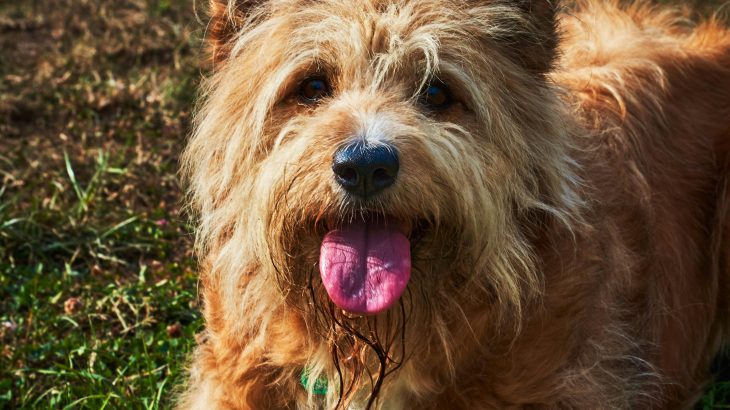
The same dog that spent spring charging around the garden suddenly wants to lie stretched across the coolest patch of floor in the house. Walks become slower. Playtime comes in short bursts. And for large parts of the afternoon, they seem perfectly content doing absolutely nothing.
For owners, it can feel a bit odd at first.
You wait all winter for brighter days and better weather… only for your dog to sleep through most of it.
But in reality, this is completely normal.
Heat Changes Energy Levels
Dogs deal with warm weather very differently than we do.
People sweat to cool themselves down. Dogs don’t. They rely mostly on panting and resting to regulate body temperature, which means warm weather takes more out of them than many owners realise.
Even on a mild Irish summer day, your dog may be using extra energy simply trying to stay cool.
So instead of bouncing around nonstop, many dogs naturally slow themselves down. They nap more. They move less during the warmest parts of the day. They become more active in the early morning or later evening when temperatures feel easier to manage.
It’s not laziness — it’s self-regulation.
Summer Walks Feel Different
A summer walk can be surprisingly tiring for dogs.
The ground feels warmer. There are more people around. More dogs. More noise. More stimulation overall. Even if the walk itself isn’t especially long, the combination of heat and activity can leave dogs needing a proper rest afterwards.
You’ll often notice this most in the afternoon. A dog that was energetic in the morning suddenly disappears into a quiet room and doesn’t move much for hours.
That’s usually a sign they’re listening to their body, not a sign that anything’s wrong.
Sleeping More Is Often a Good Sign
Healthy, relaxed dogs sleep a lot more than people think they do. Depending on age and breed, many dogs naturally sleep between 12 and 14 hours a day — sometimes more.
Summer simply shifts when that sleep happens.
Instead of sleeping deeply overnight and staying active all day, dogs often break their rest into longer daytime naps to avoid the heat.
Older dogs tend to do this even more. Warm weather can leave joints feeling heavier and movement more tiring, so they naturally conserve energy where they can.
The Cool Spot Obsession
Every dog has their summer spot.
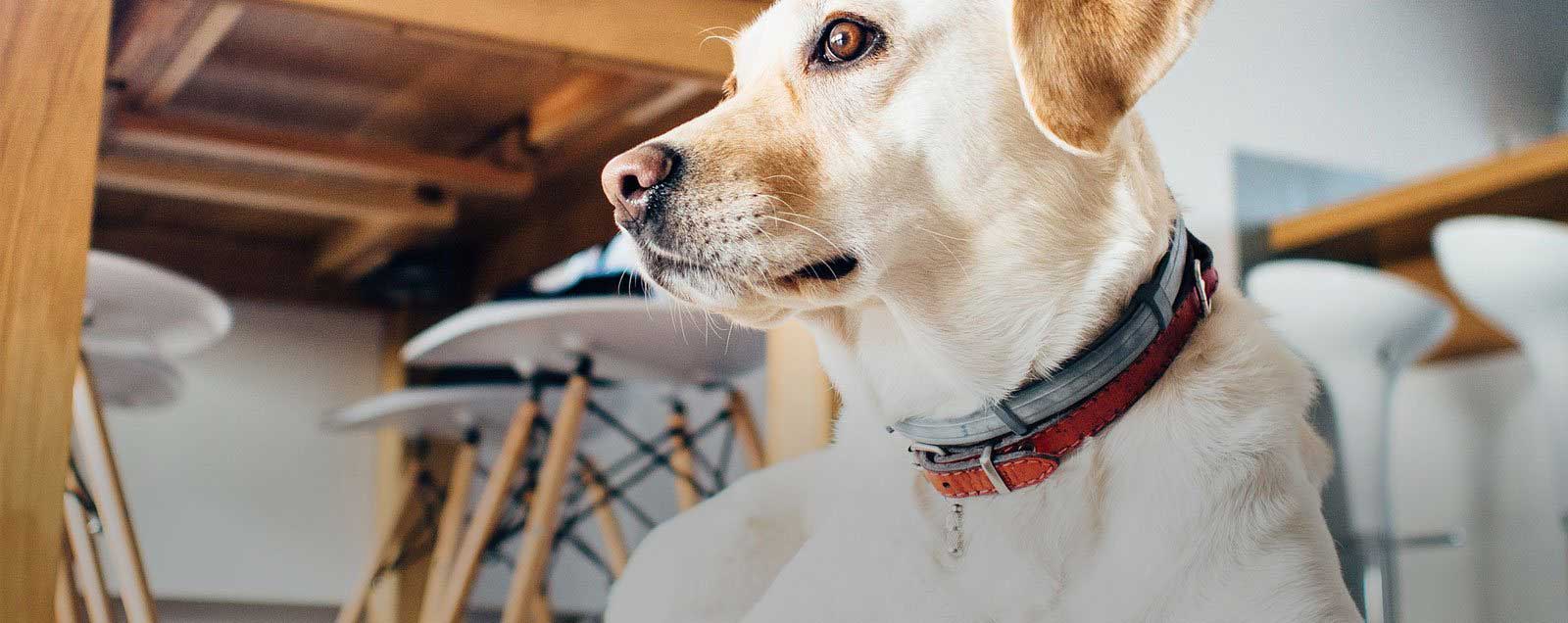
For some, it’s the hallway tiles. For others, it’s under the kitchen table, beside the back door, or directly in the path of a breeze coming through an open window.
You’ll often see them moving around the house during the day, searching for cooler places to settle. A dog that normally sleeps on the sofa all winter may suddenly prefer the floor once warmer weather arrives.
Again, that’s instinct.
They’re constantly adjusting to stay comfortable.
Short Bursts of Energy
One of the funny things about dogs in summer is how quickly their energy comes and goes.
They might spend hours asleep… then suddenly race around the garden at full speed for five minutes before collapsing dramatically back into the shade.
That’s very normal.
Many dogs become more selective about when they use their energy during warmer months. Early mornings and cooler evenings often become their most active times.
The middle of the day, especially during warmer spells, tends to be reserved for resting.
When Sleepiness Might Be Something Else
Most summer tiredness is harmless. But there’s still a difference between a dog that’s relaxed and one that’s struggling.
If your dog seems unusually lethargic, refuses food, has difficulty breathing, or can’t settle even in cooler areas, it’s worth paying attention. Excessive panting or weakness in warm weather can sometimes signal overheating.
Usually though, a sleepy summer dog is simply adapting to the season the way dogs naturally do.
Letting Them Slow Down
One of the easiest mistakes to make in summer is expecting dogs to keep the same pace they had in cooler weather.
But dogs are generally very good at telling us what they need. If they stop more often, seek shade, or choose rest over play, they’re not being difficult.
They’re managing themselves.
Sometimes the best thing we can do is let them.
A Word from Pet Angel Sitters
At Pet Angel Sitters, we often notice pets naturally settle into a slower rhythm during summer.
Walks shift to cooler times of day. Water bowls need topping up more often. And many dogs become experts at finding the coolest room in the house before we do.
It’s all part of the season.
Summer doesn’t always make dogs more energetic — sometimes it simply makes them softer, sleepier, and a little more relaxed.
And honestly, they probably have the right idea.