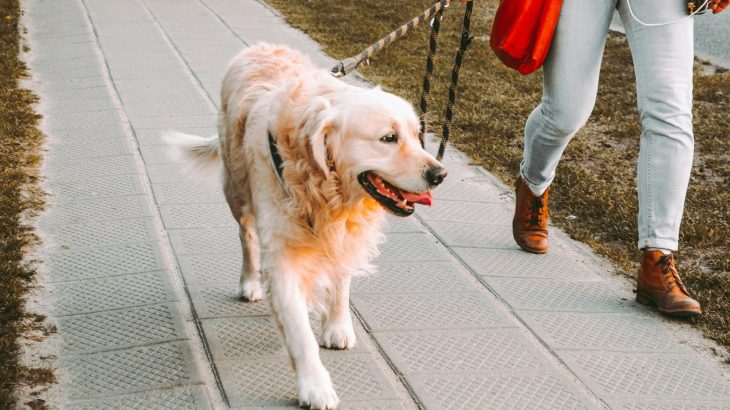
Golden retriever walking calmly on a lead beside its owner on a path

Lead Pulling: How to Enjoy Calm, Happy Walks With Your Dog

Few things take the joy out of a dog walk quite like a dog that pulls. Instead of a pleasant stroll, you get a shoulder-wrenching tug-of-war the whole way round, and it’s no fun for either of you. The good news is that loose-lead walking is a skill any dog can learn with patience and consistency. Here’s how to turn those frustrating walks into the relaxed outings they should be.


Why dogs pull in the first place

It helps to understand what’s going on. Dogs don’t pull to be difficult, they pull because it works. The world is a thrilling place full of smells and sights, they want to get to it, and every time pulling gets them there even a little faster, the habit is reinforced. Dogs are also simply faster than us and don’t naturally understand that we’d like them to match our plodding human pace. So the goal is to teach them that pulling gets them nowhere, and that staying by your side is what pays off.

The stop-start method

One of the simplest and most effective techniques is beautifully boring for the dog. The moment your dog pulls and the lead goes tight, stop walking. Stand still like a tree. Don’t yank back, don’t tell them off, just stop. The instant the lead slackens and your dog eases off or looks back at you, praise them warmly and move on again. Pulling makes the walk stop; a loose lead makes it continue.

Be warned, this requires patience, and your first few walks may cover very little ground as you stop every few steps. But dogs are clever, and most soon work out that a slack lead is the key to actually getting anywhere.

Reward the position you want

Bring some tasty treats and generously reward your dog whenever they’re walking nicely beside you with a loose lead. You’re teaching them that this position, right by your side, is a wonderful place to be. Over time, that becomes their default. A treat pouch and a cheerful voice work far better than any amount of correction.

The right equipment helps

The gear you use makes a real difference. A well-fitted harness, particularly a front-clip or no-pull design, gives you far better control and takes the strain off a dog’s neck compared to a collar, which can cause harm if a dog lunges against it. Avoid retractable leads for training, they actually teach a dog that pulling extends their range, which is the opposite of what you want. A standard fixed-length lead is best for learning.

Consistency is everything

The biggest reason lead training fails is inconsistency. If pulling sometimes works, on the days you’re in a hurry and let it slide, the dog learns that pulling is worth a try. Everyone who walks the dog needs to follow the same approach, every single time. It takes commitment, but a dog that walks nicely on the lead is a joy for life, and well worth the early effort. We’ve touched on this before in our post on when spring excitement turns into lead pulling, if you’d like more.

Frequently Asked Questions

Why does my dog pull so much on the lead?

Because it works, pulling gets them to the exciting smells and sights faster, which reinforces the habit. Dogs are also naturally quicker than us and don’t instinctively match our pace. The fix is teaching them that a loose lead is what gets them moving.

Does the stop-start method really work?

Yes, though it needs patience. By stopping every time the lead goes tight and only moving when it slackens, your dog learns that pulling halts the walk. Early sessions may cover little ground, but most dogs catch on quickly.

Are harnesses better than collars for pulling?

A well-fitted harness, especially a front-clip no-pull design, gives better control and protects a dog’s neck from the strain and potential harm of pulling against a collar. It’s a kinder, more effective option for training.

How long does it take to stop a dog pulling?

It varies with the dog and how consistent everyone is, but with daily practice many dogs improve noticeably within a few weeks. Consistency from everyone who walks the dog is the key to lasting success.


Let us help

Struggling to find time to work on those walks? Our experienced walkers can help keep your dog exercised and well-mannered on the lead. Explore our dog walking service across Dublin, Meath and Louth, see all our services, or get in touch for a chat.
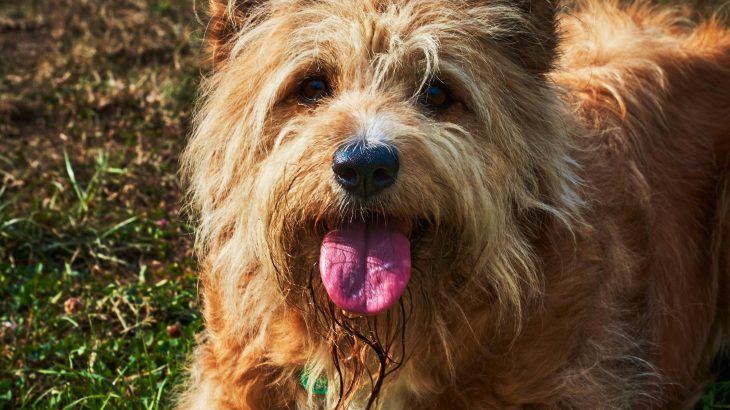
Shaggy terrier-type dog lying in the grass, panting on a warm day

Why Your Dog Sleeps More in Summer

The same dog that spent spring charging around the garden suddenly wants to lie stretched across the coolest patch of floor in the house. Walks become slower. Playtime comes in short bursts. And for large parts of the afternoon, they seem perfectly content doing absolutely nothing.

For owners, it can feel a bit odd at first.

You wait all winter for brighter days and better weather… only for your dog to sleep through most of it.

But in reality, this is completely normal.

Heat Changes Energy Levels

Dogs deal with warm weather very differently than we do.

People sweat to cool themselves down. Dogs don’t. They rely mostly on panting and resting to regulate body temperature, which means warm weather takes more out of them than many owners realise.

Even on a mild Irish summer day, your dog may be using extra energy simply trying to stay cool.

So instead of bouncing around nonstop, many dogs naturally slow themselves down. They nap more. They move less during the warmest parts of the day. They become more active in the early morning or later evening when temperatures feel easier to manage.

It’s not laziness — it’s self-regulation.

Summer Walks Feel Different

A summer walk can be surprisingly tiring for dogs.

The ground feels warmer. There are more people around. More dogs. More noise. More stimulation overall. Even if the walk itself isn’t especially long, the combination of heat and activity can leave dogs needing a proper rest afterwards.

You’ll often notice this most in the afternoon. A dog that was energetic in the morning suddenly disappears into a quiet room and doesn’t move much for hours.

That’s usually a sign they’re listening to their body, not a sign that anything’s wrong.

Sleeping More Is Often a Good Sign

Healthy, relaxed dogs sleep a lot more than people think they do. Depending on age and breed, many dogs naturally sleep between 12 and 14 hours a day — sometimes more.

Summer simply shifts when that sleep happens.

Instead of sleeping deeply overnight and staying active all day, dogs often break their rest into longer daytime naps to avoid the heat.

Older dogs tend to do this even more. Warm weather can leave joints feeling heavier and movement more tiring, so they naturally conserve energy where they can.

The Cool Spot Obsession

Every dog has their summer spot.

For some, it’s the hallway tiles. For others, it’s under the kitchen table, beside the back door, or directly in the path of a breeze coming through an open window.

You’ll often see them moving around the house during the day, searching for cooler places to settle. A dog that normally sleeps on the sofa all winter may suddenly prefer the floor once warmer weather arrives.

Again, that’s instinct.

They’re constantly adjusting to stay comfortable.

Short Bursts of Energy

One of the funny things about dogs in summer is how quickly their energy comes and goes.

They might spend hours asleep… then suddenly race around the garden at full speed for five minutes before collapsing dramatically back into the shade.

That’s very normal.

Many dogs become more selective about when they use their energy during warmer months. Early mornings and cooler evenings often become their most active times.

The middle of the day, especially during warmer spells, tends to be reserved for resting.

When Sleepiness Might Be Something Else

Most summer tiredness is harmless. But there’s still a difference between a dog that’s relaxed and one that’s struggling.

If your dog seems unusually lethargic, refuses food, has difficulty breathing, or can’t settle even in cooler areas, it’s worth paying attention. Excessive panting or weakness in warm weather can sometimes signal overheating.

Usually though, a sleepy summer dog is simply adapting to the season the way dogs naturally do.

Letting Them Slow Down

One of the easiest mistakes to make in summer is expecting dogs to keep the same pace they had in cooler weather.

But dogs are generally very good at telling us what they need. If they stop more often, seek shade, or choose rest over play, they’re not being difficult.

They’re managing themselves.

Sometimes the best thing we can do is let them.

A Word from Pet Angel Sitters

At Pet Angel Sitters, we often notice pets naturally settle into a slower rhythm during summer.

Walks shift to cooler times of day. Water bowls need topping up more often. And many dogs become experts at finding the coolest room in the house before we do.

It’s all part of the season.

Summer doesn’t always make dogs more energetic — sometimes it simply makes them softer, sleepier, and a little more relaxed.

And honestly, they probably have the right idea.