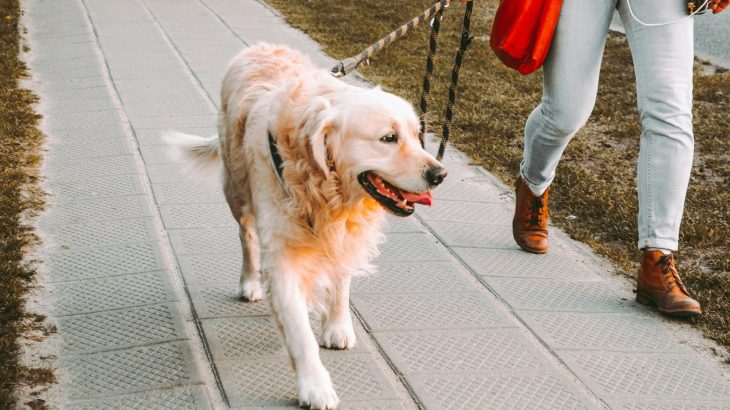
Golden retriever walking calmly on a lead beside its owner on a path

Lead Pulling: How to Enjoy Calm, Happy Walks With Your Dog

Few things take the joy out of a dog walk quite like a dog that pulls. Instead of a pleasant stroll, you get a shoulder-wrenching tug-of-war the whole way round, and it’s no fun for either of you. The good news is that loose-lead walking is a skill any dog can learn with patience and consistency. Here’s how to turn those frustrating walks into the relaxed outings they should be.


Why dogs pull in the first place

It helps to understand what’s going on. Dogs don’t pull to be difficult, they pull because it works. The world is a thrilling place full of smells and sights, they want to get to it, and every time pulling gets them there even a little faster, the habit is reinforced. Dogs are also simply faster than us and don’t naturally understand that we’d like them to match our plodding human pace. So the goal is to teach them that pulling gets them nowhere, and that staying by your side is what pays off.

The stop-start method

One of the simplest and most effective techniques is beautifully boring for the dog. The moment your dog pulls and the lead goes tight, stop walking. Stand still like a tree. Don’t yank back, don’t tell them off, just stop. The instant the lead slackens and your dog eases off or looks back at you, praise them warmly and move on again. Pulling makes the walk stop; a loose lead makes it continue.

Be warned, this requires patience, and your first few walks may cover very little ground as you stop every few steps. But dogs are clever, and most soon work out that a slack lead is the key to actually getting anywhere.

Reward the position you want

Bring some tasty treats and generously reward your dog whenever they’re walking nicely beside you with a loose lead. You’re teaching them that this position, right by your side, is a wonderful place to be. Over time, that becomes their default. A treat pouch and a cheerful voice work far better than any amount of correction.

The right equipment helps

The gear you use makes a real difference. A well-fitted harness, particularly a front-clip or no-pull design, gives you far better control and takes the strain off a dog’s neck compared to a collar, which can cause harm if a dog lunges against it. Avoid retractable leads for training, they actually teach a dog that pulling extends their range, which is the opposite of what you want. A standard fixed-length lead is best for learning.

Consistency is everything

The biggest reason lead training fails is inconsistency. If pulling sometimes works, on the days you’re in a hurry and let it slide, the dog learns that pulling is worth a try. Everyone who walks the dog needs to follow the same approach, every single time. It takes commitment, but a dog that walks nicely on the lead is a joy for life, and well worth the early effort. We’ve touched on this before in our post on when spring excitement turns into lead pulling, if you’d like more.

Frequently Asked Questions

Why does my dog pull so much on the lead?

Because it works, pulling gets them to the exciting smells and sights faster, which reinforces the habit. Dogs are also naturally quicker than us and don’t instinctively match our pace. The fix is teaching them that a loose lead is what gets them moving.

Does the stop-start method really work?

Yes, though it needs patience. By stopping every time the lead goes tight and only moving when it slackens, your dog learns that pulling halts the walk. Early sessions may cover little ground, but most dogs catch on quickly.

Are harnesses better than collars for pulling?

A well-fitted harness, especially a front-clip no-pull design, gives better control and protects a dog’s neck from the strain and potential harm of pulling against a collar. It’s a kinder, more effective option for training.

How long does it take to stop a dog pulling?

It varies with the dog and how consistent everyone is, but with daily practice many dogs improve noticeably within a few weeks. Consistency from everyone who walks the dog is the key to lasting success.


Let us help

Struggling to find time to work on those walks? Our experienced walkers can help keep your dog exercised and well-mannered on the lead. Explore our dog walking service across Dublin, Meath and Louth, see all our services, or get in touch for a chat.
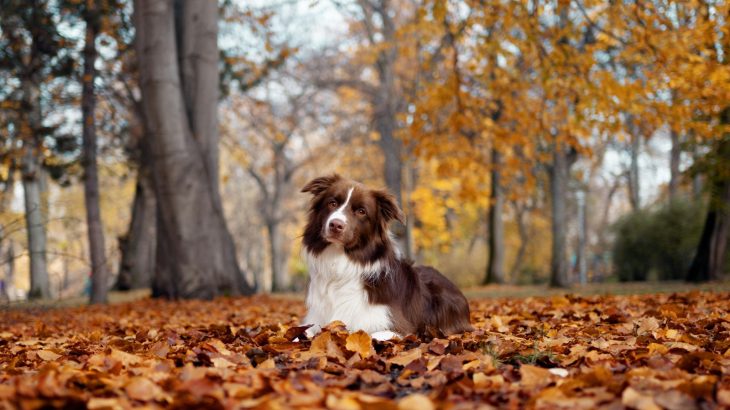
Brown and white collie sitting among orange autumn leaves in a park

Darker Evenings, Safe Walks: Autumn Dog Walking in Ireland

There’s a lot to love about walking your dog in autumn here in Ireland. The air turns crisp, the parks fill with crunchy leaves that dogs seem to find endlessly thrilling, and the sticky heat of summer is a memory. But the season brings its own challenges too, chief among them the evenings drawing in fast, so that the after-work walk that was sunlit in August is suddenly happening in the dark by October.

A little preparation keeps those autumn walks safe and enjoyable for you both. Here’s what to keep in mind as the clocks wind down towards winter.


Be seen in the dark

The biggest change autumn brings is reduced daylight. Morning and evening walks increasingly happen in poor light or full darkness, and that raises the stakes around traffic. Make yourself and your dog visible: a reflective or light-up collar, a hi-vis lead or harness, and something reflective on yourself too. A small clip-on LED light on the dog’s collar is inexpensive and makes a real difference on unlit paths and rural roads, of which we’ve plenty around Meath and Louth.

Stick to routes you know well in the dark, keep to paths and footpaths where you can, and be extra mindful near roads, as drivers simply can’t see a dark-coated dog the way they can in daylight.

Watch the weather and the ground

Irish autumn weather does as it pleases, often several times in one walk. Rain, wind, and the first proper cold snaps arrive. Most dogs cope grand, but short-coated breeds, older dogs, and small dogs may appreciate a coat once it turns cold and wet. After wet walks, dry your dog off properly, particularly their paws and belly, to keep them comfortable and avoid the damp chill setting in.

Fallen leaves are great fun but can hide hazards underneath, broken glass, sharp sticks, or slippery mud, so keep half an eye on where paws are landing.

Seasonal hazards to know about

Autumn carries a few specific dangers worth knowing. Conkers and acorns are toxic to dogs if eaten, and they’re everywhere this time of year, so discourage your dog from picking them up. Certain wild mushrooms that spring up in damp autumn weather can be very poisonous, and it’s near impossible to tell safe from dangerous at a glance, so the safe rule is to prevent your dog eating any of them. As Halloween approaches, be mindful too of the extra hazards it brings, something we’ve covered in our guide to keeping pets calm during fireworks.

This is also the tail end of tick season, so keep up with tick checks after walks through long grass or wooded areas, and stay on top of your dog’s parasite prevention.

Keep the routine going

It’s tempting, when it’s dark and drizzly, to cut walks short or skip them. But dogs need their exercise and mental stimulation year-round, and a well-walked dog is a happy, settled dog whatever the season. If the shorter days and busier autumn schedule make it hard to get out as much as you’d like, that’s exactly where a bit of help comes in handy, a midday walk while you’re at work means your dog still gets a proper outing in daylight.

Frequently Asked Questions

Is it safe to walk my dog in the dark?

Yes, with sensible precautions. Use reflective or light-up gear on both you and your dog, stick to familiar well-lit routes where possible, and take extra care near roads. A collar light makes a big difference on darker paths.

Are acorns and conkers really dangerous to dogs?

They can be. Both are toxic to dogs if chewed or swallowed, and conkers also pose a choking and blockage risk. Discourage your dog from picking them up, and contact your vet if you think they’ve eaten one.

Should my dog wear a coat in autumn?

Many dogs don’t need one, but short-coated breeds, small dogs, older dogs, and those who feel the cold will be more comfortable in a coat once it turns cold and wet. Dry them off well after damp walks either way.

How do I keep my dog exercised when it’s dark after work?

A daytime walk is the ideal solution, whether that’s you nipping out at lunch or a dog walker calling round so your dog gets a proper outing in daylight while you’re at work.


Let us help

When the dark evenings and packed autumn schedule make dog walking a struggle, we’re here to keep your dog exercised, happy, and safe. Our dog walking service across Dublin, Meath and Louth means a proper daytime walk whatever your working hours. See our services or get in touch to arrange a walk.