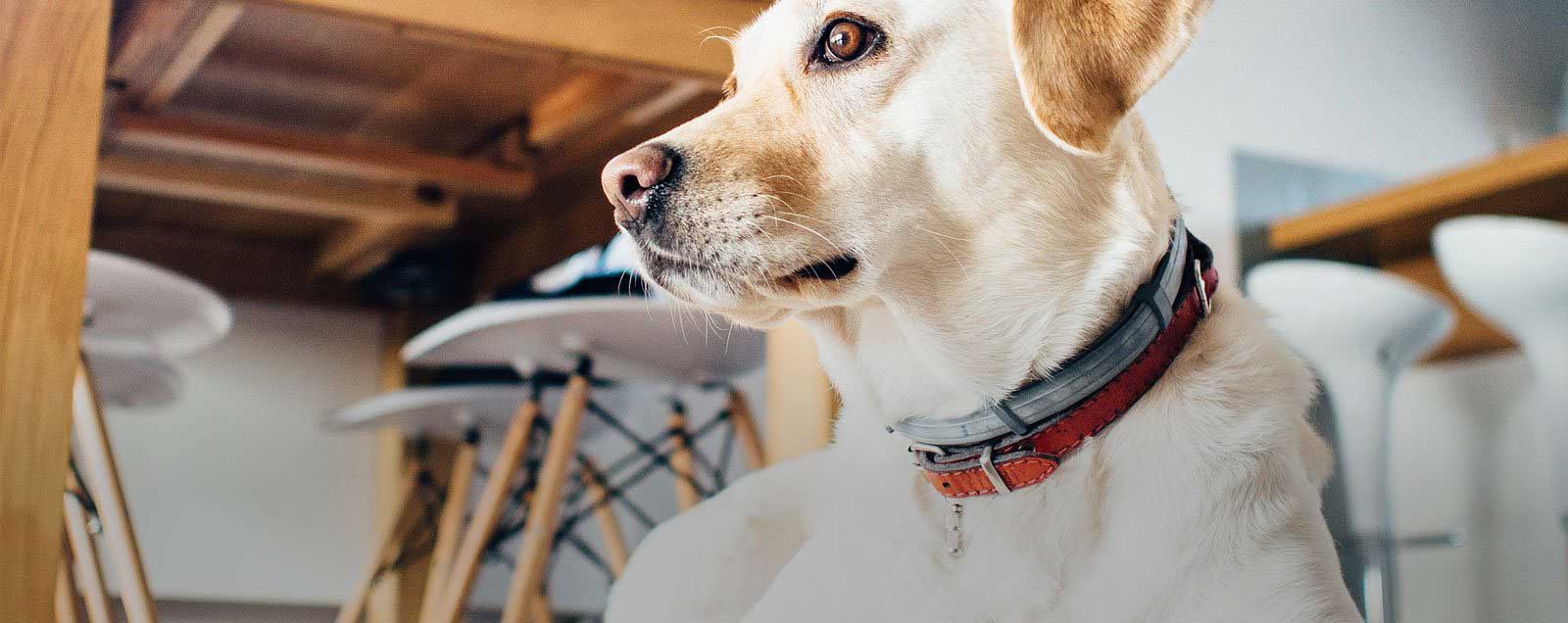
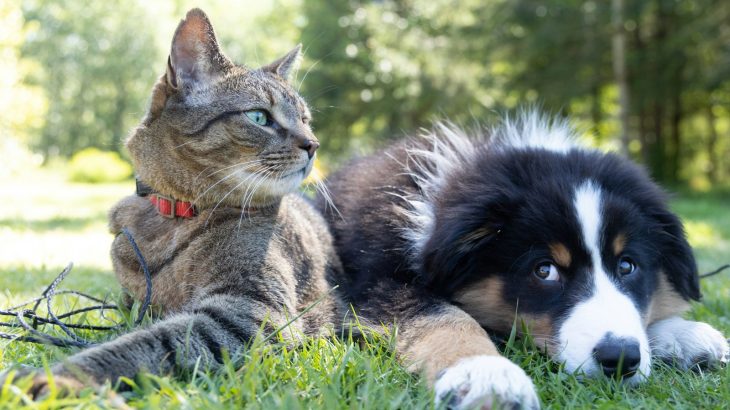
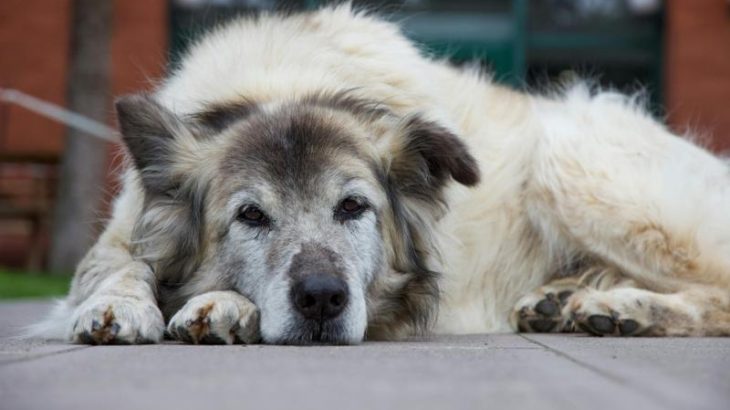
There’s a particular look a dog gives you when the alarm goes off earlier than it has in months. Ears up, head cocked to one side, that slow dawning realisation written all over their face: something’s different here, and I’m not at all sure I like it. If you’ve recently gone back to the office after a good stretch of working from home — or you’re bracing yourself for it — you’ll know the look I mean.
The thing is, our pets don’t read calendars or check work rosters. They’ve no idea your boss wants everyone back at their desks. All they know is that you’ve been home, the house has been full and busy, and the days have had a lovely, predictable shape to them. So when that shape changes more or less overnight, it can knock them sideways.
We see it all the time across North Dublin, Meath, and Louth. A family’s circumstances shift, the house empties out during the day, and a once-settled dog starts chewing the skirting boards, or a perfectly contented cat goes off their dinner. It’s not bold behaviour and it’s not them being difficult — it’s a small creature trying to make sense of a world that’s suddenly gone quiet on them. The good news is that with a bit of planning and a gentle hand, you can help them through it. So let’s have a proper chat about how.
Why the change hits them so hard
Here’s something worth holding onto: animals are creatures of habit in a way that would put even the most organised among us to shame. Dogs and cats absolutely thrive on knowing what comes next. Roughly when breakfast lands, when the walk happens, when the house goes quiet, and — most importantly — when their favourite human comes back through the door.
When you were working from home, your pet had company on tap. Maybe they snoozed at your feet through every meeting, got an extra wander at lunchtime, or simply took comfort in knowing you were only ever in the next room. That became their normal. It became the whole shape of their day.
So heading back to the office isn’t just you leaving the house, not from where they’re sitting. The entire structure of their world has shifted on its axis. The company they leaned on is gone for eight or nine hours. The midday walk vanishes. The house falls silent. And nobody’s sat them down to explain why. Honestly, if your closest companion started disappearing every morning without a word and reappearing each evening, day after day, you’d be a bit rattled too. The difference is that our pets can’t tell us they’re struggling. They can only show us.
How they show you they’re struggling
Before we get to the fixes, it’s worth knowing what to watch for, because pets speak in actions rather than words. With dogs, the signs tend to be fairly loud and clear — that’s just their way. You might come home to chewed slippers or a savaged piece of post, hear from the neighbours that there’s been barking or howling while you’re out, or find the odd accident on the floor from a dog who’s been house-trained for years. Some go off their food; others bolt it down and then pace the place restlessly. A lot of dogs will start shadowing you from room to room in the evenings, as if trying to soak up every last minute before you vanish again. It can be heartbreaking to watch, but it’s all coming from the same place: where did everyone go?
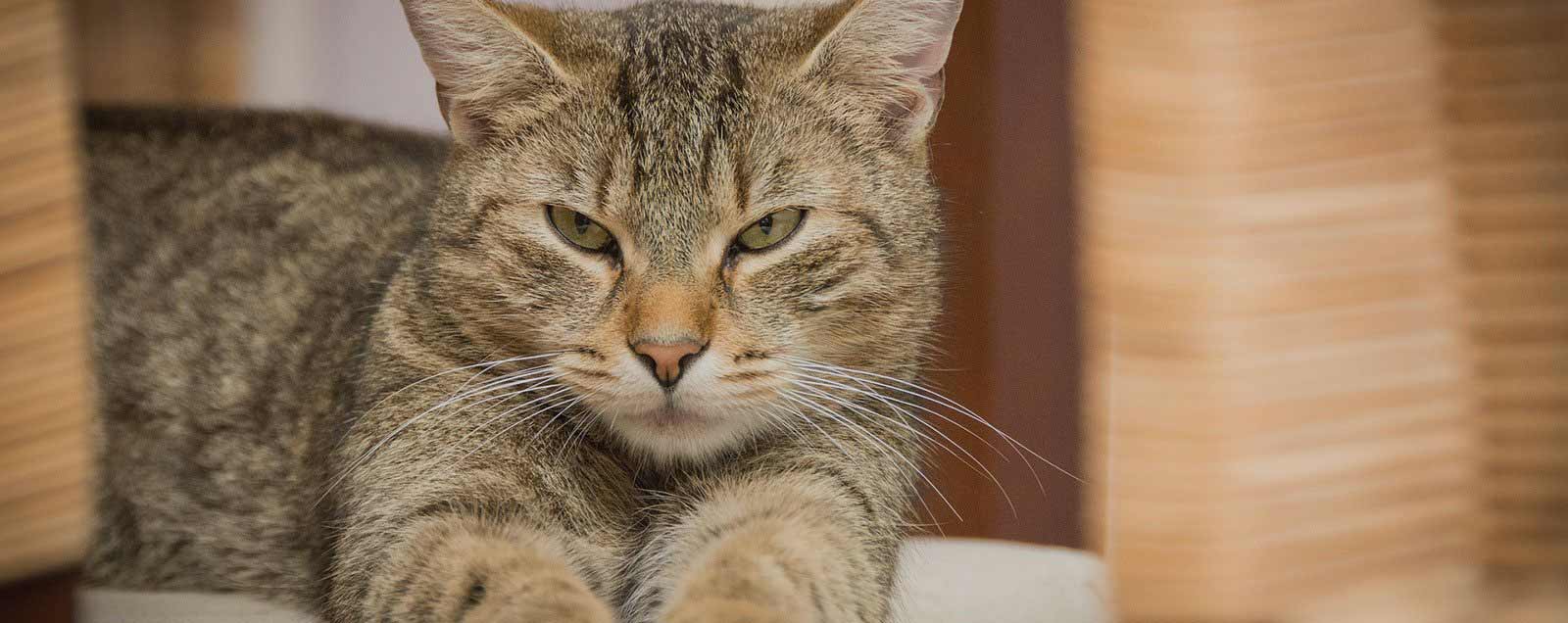
Cats, being cats, are far more subtle about the whole business — they like to keep their cards close to their chest. But the signs are there if you look. A stressed cat might hide away more than usual, tuck themselves into odd corners they’d normally turn their nose up at, or start over-grooming, sometimes to the point of a bald patch or two. You might find them toileting outside the litter tray, which is often a cat’s rather pointed way of letting you know all is not well. Some go suddenly clingy; others turn unexpectedly cool and aloof, blanking the affection they’d usually lap up.
If you spot any of this and it lingers, it’s always worth a quick word with your vet to rule out anything physical. But nine times out of ten, when these signs crop up right alongside a big change in routine, the routine is your culprit.
Start before the change, not after
If I could press one bit of advice into your hand above all the rest, it’d be this: don’t wait until your first morning back at the desk to start helping your pet adjust. Begin the groundwork a week or two beforehand, while you’ve still got a bit of flexibility to play with. Animals cope far, far better with slow change than with a sudden cliff edge, so the whole game here is to ease them into it rather than drop them off the deep end.
Start leaving the house for short spells — ten minutes, then half an hour, then an hour or two. Pop out for a coffee, run a few messages, take yourself off for a walk without the dog for once. You’re gently reminding your pet that you going out is a normal, everyday thing, and — this is the important part — that you always come back.
And keep those comings and goings low-key. No big tearful goodbyes, no over-the-top homecomings. I know, I know — every fibre of you wants to make a fuss of them. But a calm “right, see you later” quietly teaches your pet that leaving is no big deal. Make a drama of it and you accidentally confirm their worst suspicion, which is that something momentous and frightening is afoot. While you’re at it, start nudging mealtimes, walks, and play towards your future office schedule. Shift breakfast a little earlier, bring the main walk forward to before you’d be heading out the door, and let their body clock catch up in stages.
Building a new normal that actually sticks
Once you’re properly back at the office, the whole name of the game is consistency. A new routine, held to firmly, becomes your pet’s new normal far quicker than you’d think — they really are wonderfully adaptable little souls. They just need the new pattern to be reliable.
Your mornings and evenings become precious, so make them count. A decent walk and a bit of play before you leave works wonders, because a tired, contented pet is a calm one, and far more likely to settle down for a good snooze once the house empties. Then in the evenings, give them your proper attention — not half-distracted scrolling on the sofa, but the real thing: a game, a grooming session, a proper cuddle, a second walk if the dog’s up for it. It was never about the number of hours. It’s the quality of the time you do share, and believe me, they feel the difference.
There’s plenty you can do to take the edge off those empty hours, too. Leaving a radio or the telly on low gives the place a bit of human chatter, which a surprising number of pets find genuinely soothing. Puzzle feeders, lick mats, and treat-dispensing toys turn an ordinary dinner into a proper bit of work that tires out the brain — a snuffle mat scattered with kibble can keep a dog happily occupied for ages. For cats, a window perch with a good view of the garden and the comings and goings of the street is worth its weight in gold; a bit of “cat TV” can keep them entertained for hours. And here’s a small trick worth knowing: don’t leave every toy out all the time. Keep a few back and rotate them, because a toy that’s been out of sight for a fortnight feels brand new again when it reappears.
Where a sitter or dog walker changes everything
Now, I’ll be straight with you here. You can do every bit of preparation under the sun, but the plain fact remains that a dog left on their own for eight or nine hours, day in and day out, is a long old stretch for any animal. Dogs simply aren’t built for that much solitude, and even the most independent cat is the better for a friendly face dropping in. This is exactly where a professional sitter or dog walker becomes the missing piece of the whole puzzle.
A midday visit transforms the day completely. For a dog, it means a proper walk right in the heart of those long hours — a chance to stretch the legs, do their business, sniff every lamppost on the road, and burn off the energy that would otherwise turn into a chewed sofa cushion. That one break can be the whole difference between a frustrated, pent-up dog and a relaxed, happy one. For a cat, a drop-in means fresh food and water, a clean tray, a bit of company, and a pair of kind eyes making sure all’s well — and even the aloofest cat appreciates it, whether they’d ever admit as much or not.
One thing we feel strongly about at Pet Angel Sitters is that pets are happiest in their own home. No stressful kennel, no strange smells, no upheaval — your pet stays put in the place they know and love, surrounded by their own bed and their own familiar corners, and a kind, reliable person simply comes to them. For an animal already getting their head around one big change, keeping everything else familiar makes the world of difference. We fit into their routine rather than asking them to cope with yet another one.
And let’s not forget your side of all this. Going back to the office is a fair adjustment for you, too. Spending the whole day quietly fretting over whether the dog’s in bits or the cat’s gone off their food is no way to get through a Monday. Knowing that someone’s popped in, fired you off a quick photo and a “all grand here,” and confirmed your pet is happy and looked after — well, that lifts a real weight. You get to focus on the job, and they get the care they deserve.
A word on patience
However well you prepare, do give your pet — and yourself — a bit of grace. This doesn’t all click into place in a single day. Some pets settle within a week; others take a few weeks to truly find their feet. There’ll likely be the odd setback, a chewed shoe here or a missed tray there, and the temptation will be to give out. Try not to. Stress responses aren’t naughtiness, and a telling-off only piles more worry on top of what’s already there. Stay calm, stay consistent, reward the settled behaviour you want to see more of, and trust that they’ll get there with you.
And if things genuinely aren’t improving — if the distress is severe, or it drags on well past a few weeks — don’t soldier on alone. A chat with your vet, or a session with a good behaviourist, can make all the difference. There’s no shame in it whatsoever. It’s just good minding.
Let us help with the transition
Going back to the office shouldn’t mean your pet’s the one who pays for it. With a little forward planning, a steady new routine, and the right bit of support during those long working hours, your dog or cat can take the whole thing in their stride.
So if you’re in North Dublin, Meath, or Louth and you’re staring down this exact change, we’d love to take some of the worry off your plate. Whether it’s a daily walk to break up the day, a quick drop-in to check on the cat, or a fuller pet-sitting arrangement, we’re here to make sure your pet feels loved and looked after — even on the days you can’t be there yourself. Get in touch and let’s put together a plan that suits your pet, your schedule, and your peace of mind. Sure, going back to work is hard enough without leaving your worries at home as well.