A Day in the Life of Your Dog Walker: What Really Happens While You’re at Work

When you hand someone a key to your home and trust them with your dog, you’re placing an enormous amount of faith in a person you might only meet a handful of times. It’s natural to wonder, somewhere in the back of your mind during a busy workday, what’s actually going on back home. Is the walk happening? Is my dog happy? Is everything as it should be?

We think that curiosity deserves a proper answer. So rather than ask you to simply take it on trust, we want to pull back the curtain and walk you through what really happens when one of our walkers calls round to your dog. Because the truth is, a good dog walk is far more than a quick lap of the block, there’s a whole quiet craft to it, and we’d love you to see it.


It starts before the door even opens

A good visit begins with knowledge. Before a walker ever turns a key, they already know the important things about your dog, and that’s no accident. When you first sign up with us, we gather the details that matter: how your dog behaves on the lead, whether they’re nervous of other dogs, what their recall is like, any health conditions, where the lead and poo bags live, and the little quirks that make your dog your dog. One might bolt at the sight of a cat; another might be a gentle soul who greets every passer-by. Knowing this in advance is the difference between a smooth walk and a stressful one.

This groundwork is part of why we always insist on getting to know a dog properly before we start. You can read more about how we work on our about us page, but the short version is this: we never walk a dog we don’t understand.

The arrival: calm is everything

Picture the moment your walker arrives. For your dog, this is a big event, a key in the door, a familiar friend stepping inside. Some dogs are beside themselves with excitement; others, especially newer or more nervous ones, need a moment to settle. A skilled walker reads this instantly and matches their energy to the dog’s needs.

Rather than charging straight out the door in a whirl of excitement, a good walker takes a beat. A calm greeting, a moment to let an excited dog get the zoomies out of their system, a gentle hello to a shy one. This sets the tone for the whole walk. A dog who leaves the house wound up to the nines is a dog who’ll pull and fret the whole way round; a dog who leaves calm is a dog who’ll enjoy themselves.

The walk itself: not just exercise

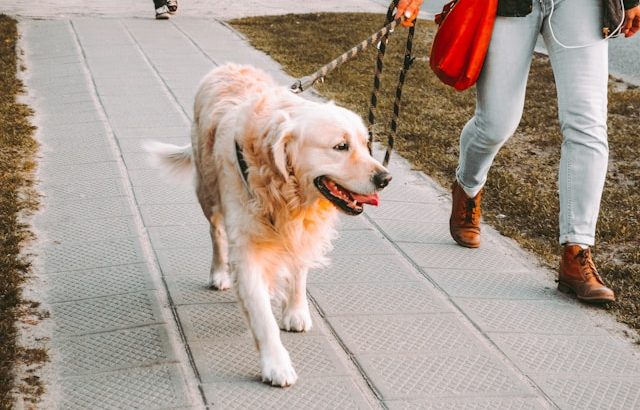
Here’s something many owners don’t realise, a walk is as much about the mind as the body. Yes, your dog needs to stretch their legs and burn off energy, and that matters enormously. But the sniffing, the exploring, the reading of every lamppost and hedge like the morning paper, that mental stimulation is just as important to a dog’s wellbeing as the physical side.

So a good walk isn’t a forced march at the walker’s pace. It’s a balance: enough brisk movement to tire the body, enough freedom to sniff and explore to satisfy the mind. We pay attention to the route, too, avoiding hazards, keeping to safe paths, steering clear of that one garden with the gate that never quite latches. On warm days we adjust, walking in the cooler parts and watching closely for any sign of a dog overheating, which is something we take very seriously here in even our mild Irish summers.

Throughout, your walker is watching. Is the dog moving freely, or favouring a leg? Eating grass more than usual? Off their usual form? A walker who knows your dog notices these things, and they’re often the first to spot when something’s not quite right.

Back home: the part people forget

The walk ending doesn’t mean the visit ending. Back at the house, there’s a whole routine that matters just as much. Muddy paws get wiped so your hallway doesn’t pay the price. Fresh water goes down. The dog gets settled, a treat if you’ve okayed it, a moment of fuss, a check that they’re calm and content before the walker leaves. A dog left agitated and alone right after a walk doesn’t get the full benefit; a dog left calm and contentedly tired will happily snooze the afternoon away.

The walker also does a quick scan of the home. Doors locked, nothing amiss, everything as it should be. You’ve trusted us with your home as well as your dog, and we don’t take that lightly.

Keeping you in the loop

Then there’s you, back at your desk, wondering. This is where a quick message and a photo earns its keep. A snap of your happy, muddy dog mid-adventure, a line to say all went well, it’s a small thing, but it lifts a real weight. You get to picture exactly where your dog is and know they’re grand, rather than spending the afternoon quietly worrying. We think that peace of mind is a core part of the service, not an optional extra.

Why the details matter

You might be reading all this thinking it sounds like a lot of care for “just a walk.” And that’s rather the point. Anyone can clip a lead on a dog and trudge round the block. What you’re paying for, what your dog deserves, is someone who treats that walk as the meaningful part of your dog’s day that it is. Someone who notices, who adjusts, who genuinely cares whether your dog is happy.

It’s also worth saying that a tired, well-walked dog is a better-behaved dog at home. So much of what owners label “bad behaviour”, chewing, barking, restlessness, is simply a dog with unspent energy and an under-stimulated mind. A proper midday walk can transform a dog’s whole demeanour, and by extension, your evenings together.

Letting us take the lead

If you’re in Dublin, Meath, or Louth and your dog is spending long days alone while you work, a regular walk could be the best thing you do for them. Our dog walking service is built around exactly the kind of care described above, calm, attentive, and tailored to your individual dog. And because we look after a whole range of pets, from dogs to cats and smaller companions, we can often help with more than just the walk.

Have a look at our gallery to see some of the happy dogs we walk, read more on our blog, or get in touch for a chat about what your dog needs. We’d be delighted to become the friendly face your dog waits for each day.


Beyond Dogs and Cats: Caring for Rabbits, Birds and Other Small Pets

Dogs and cats get most of the attention, but plenty of Irish households share their homes with smaller companions — a house rabbit thumping about the kitchen, a pair of budgies chattering on the windowsill, a hamster doing the night shift on their wheel. These little animals are every bit as loved, and every bit as deserving of proper care. Trouble is, they’re often misunderstood, and small mistakes in their day-to-day keeping can make a real difference to how well they thrive.

So here’s a friendly run-through of what our smaller friends really need — and a few things people commonly get wrong.


Rabbits: more complex than they look

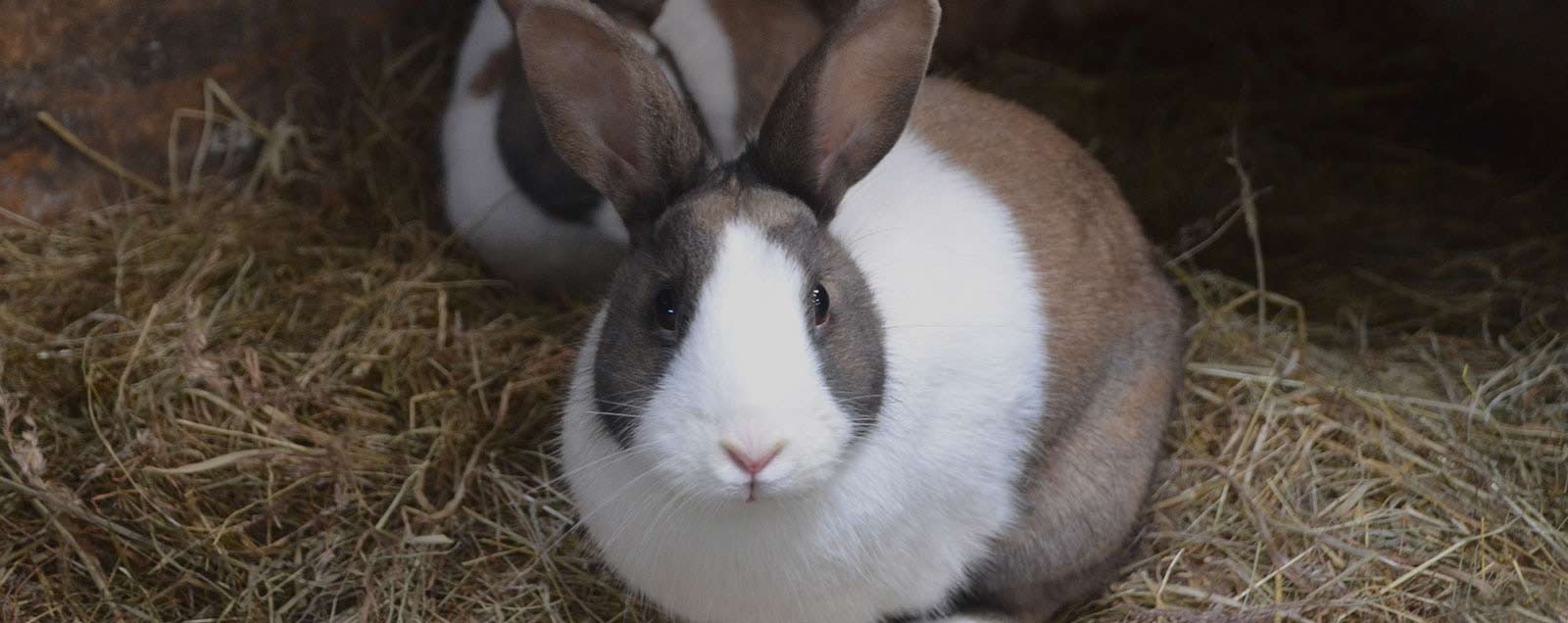
Rabbits are wonderful, but they’re not the low-maintenance starter pet many imagine. They’re social animals that often do best in pairs, they need a lot more space than a small hutch allows, and their diet should be mostly good-quality hay — not piles of muesli-style mixes. They also need their living space kept scrupulously clean and their health watched closely, as rabbits hide illness well. Get the basics right, though, and a rabbit is an affectionate, characterful companion. We’ve written more about their needs on our rabbit minding page.

Birds: company and stimulation

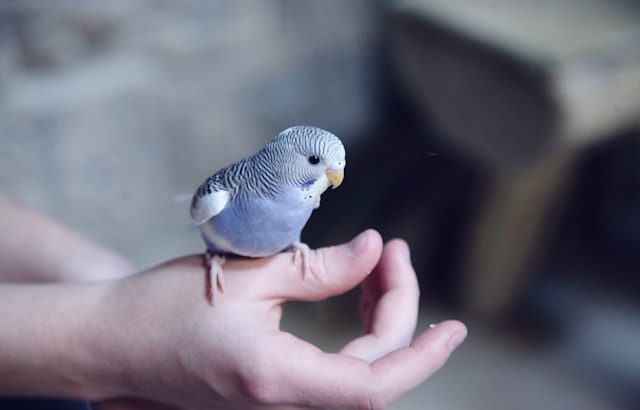
Budgies, canaries, and other companion birds are bright, social creatures who can suffer badly from boredom and loneliness. They need a cage big enough to actually move and stretch their wings, mental stimulation, a varied diet beyond just seed, and — for many species — company, whether feathered or human. A bird left alone in a bare cage is not a happy bird. You can read about how we look after them on our bird minding page.

Hamsters and the small furries

Hamsters, gerbils, and mice are often given to children as “easy” first pets, but they have real needs too. Hamsters are nocturnal, so they shouldn’t be woken and handled all day. They need a decent-sized enclosure with deep bedding to burrow in, a proper solid-surface wheel, and a quiet spot away from constant noise. Respect their natural rhythms and they make fascinating little companions. Our hamster minding service is built around exactly these needs.

The thing they all have in common

Small pets are easy to overlook precisely because they’re small and quiet — but they depend on us completely, and they notice when their routine is disrupted. That’s especially true when you go away. A dog can come on holiday or go to a sitter; a rabbit or a tank of fish really can’t, and shouldn’t be left for days with a mountain of food and crossed fingers.

We mind the small ones too

This is something we feel strongly about at Pet Angel Sitters: every animal deserves proper care, no matter their size. While many sitters only take dogs and cats, we happily look after rabbits, birds, hamsters and other small pets right in their own home, keeping their routine and environment exactly as they like it. Have a look at our full range of services, or get in touch to talk about your little one. They may be small, but their care matters just as much — and we treat it that way.


The Quiet Goodbye: Caring for an Ageing or Poorly Pet With Kindness

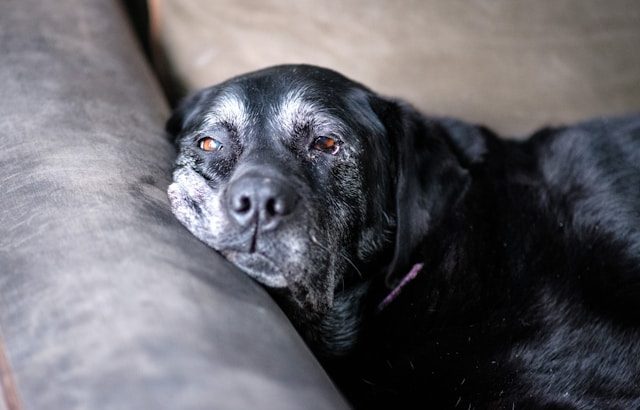
This is a tender one to write, and it may be a tender one to read. If you’ve found your way to this post, there’s a good chance you’re walking alongside an old friend who’s slowing down — a dog whose muzzle has gone grey, a cat who sleeps more deeply and ventures out less. It’s one of the hardest parts of loving an animal: the knowing, somewhere in the back of your mind, that their time with us is shorter than we’d ever wish.

There’s no neat guide that makes this easy, and we won’t pretend otherwise. But there is real comfort and real kindness to be offered in these later days, and a great deal you can do to make sure an ageing or poorly pet feels safe, loved, and at peace. Let’s talk gently about how.


Comfort becomes the priority

As a pet ages or becomes unwell, the goal quietly shifts. It’s no longer about long adventures or big achievements — it’s about comfort, dignity, and the small daily pleasures they still enjoy. A warm, soft bed away from draughts. Food that’s easy to eat and tempting to a fading appetite. Water close to hand. Gentle help up the steps or onto the sofa they’ve always loved. These little kindnesses are everything now.

Watch for the things that make them comfortable and lean into them, and watch for what causes strain and ease it away. You know your animal better than anyone — trust that knowledge.

Keep their world familiar and calm

An older or unwell pet takes great comfort in the familiar. Now is not the time for big changes to their environment if you can help it. Keep their routine gentle and predictable, keep their favourite spots accessible, and keep the household calm around them. Familiarity is its own kind of medicine.

Lean on your vet

Your vet is your most important partner through this. They can manage pain, advise on quality of life, and help you understand what your pet is experiencing. Pain in animals is often quiet and easy to miss — they’re stoic creatures — so regular check-ins matter more than ever. And when the hardest conversations come, a trusted vet will help you face them with honesty and compassion. You don’t have to carry the questions alone.

Be kind to yourself, too

The love we hold for our animals is real and deep, and so is the grief that comes with losing them. Don’t let anyone make you feel that it’s “just a pet.” Whatever you’re feeling is valid. Lean on the people who understand, take the days as they come, and remember that caring for them well right to the end is one of the most loving things a person can do.

How we can help carry the load

Caring for an ageing or unwell pet can be physically and emotionally tiring, and life’s other demands don’t pause. If you need to be elsewhere and can’t bear the thought of your old friend being moved or boarded, we can come to them. Our gentle, in-home care means a frail dog can have a calm visit and a slow potter rather than a vigorous walk, and a poorly cat can be minded quietly in the only place they want to be. You can read about us and our approach, see how we can help, or simply get in touch for a kind, no-pressure chat. In these precious days, keeping them home, comfortable, and surrounded by what they know is the greatest gift — and we’d be honoured to help you give it.

This post touches on a sensitive subject. If you’re facing decisions about an ageing or seriously ill pet, please lean on your vet for guidance — they’re best placed to support both you and your animal.


Feeding Your Pet Right: A No-Nonsense Guide to Reading Pet Food Labels

Stand in the pet food aisle of any Irish supermarket or pet shop and you’ll be faced with a wall of bags and tins, every one of them promising to be the healthiest, tastiest, most natural choice your pet could ever want. “Premium.” “Complete.” “Natural.” “With real chicken.” It’s enough to make your head spin — and the labels, frankly, are designed to sell as much as to inform.

So let’s cut through the marketing. Once you know how to actually read a pet food label, you can see past the buzzwords and judge what’s really in the bag. It’s not as complicated as it looks.


Start with the ingredients list

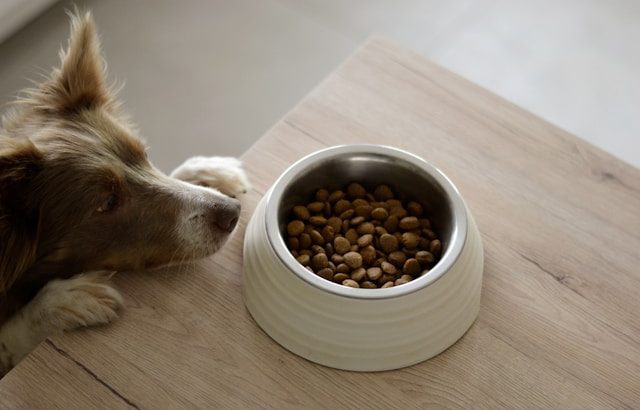
Just like our own food, pet food ingredients are listed in order of weight, heaviest first. So the first two or three ingredients are what really matter — that’s the bulk of what your pet is eating. Ideally you want to see a named meat (“chicken,” “lamb,” “salmon”) right at the top, rather than vague terms like “meat and animal derivatives,” which can mean almost anything.

Be a little wary of “ingredient splitting” too — where a maker lists, say, several different forms of corn separately so that each appears lower down, when together they’d outweigh the meat. It’s a common trick.

“Complete” vs “complementary”

This is one worth knowing. A food labelled complete is designed to provide everything your pet needs in one product — you can feed it on its own. A complementary food is not balanced to be fed alone; it’s meant to go alongside something else. Plenty of treats and pouches are complementary, so if you’re feeding them as a main meal, you may be leaving gaps in your pet’s nutrition without realising.

Life stage and the analytical bit

Pets need different things at different ages. Puppy and kitten foods are richer to fuel growth; senior foods are usually adjusted for slower, older bodies. Feeding the right life stage matters more than most people think. The “analytical constituents” panel — protein, fat, fibre, ash — is useful for comparing products, though don’t get too lost in the numbers; the ingredients list tells you more about quality.

The honest caveat

Here’s where I’ll be straight with you: every animal is an individual, and there’s no single “best” food that suits them all. Age, breed, weight, activity level, allergies, and health conditions all come into it. So while reading labels helps you make a smarter choice, your vet is the right person to guide specific dietary decisions — especially if your pet has a health issue or you’re thinking of a big change. Nothing on a label replaces that.

We’re here for the rest

Good food is one piece of caring well for an animal; good company and exercise are others. Whether your dog needs a proper walk to work off all that nicely chosen dinner through our dog walking service, or your cat needs minding while you’re away, we’re here to help keep your pet healthy and happy in body and spirit. Have a look at everything we offer or drop us a line any time. Feeding them right is a lovely act of care — and so is making sure they’re loved and looked after when you can’t be there.